


27/07/2026 03:03 PM
There is a ton to consider when choosing a new fence. From deciding how you want your fencing to look, to considering where it will be installed, the functionality required and asking yourself are there legal guidelines surrounding fence heights and safety? We explore a few areas to make your life easier.
Which style of fence to pick?
Many fencing suppliers have designed their panels to be high quality, contemporary, and stylish, but for many homeowners the design and style of your chosen fence is directly linked to the privacy and security requirements of your garden.
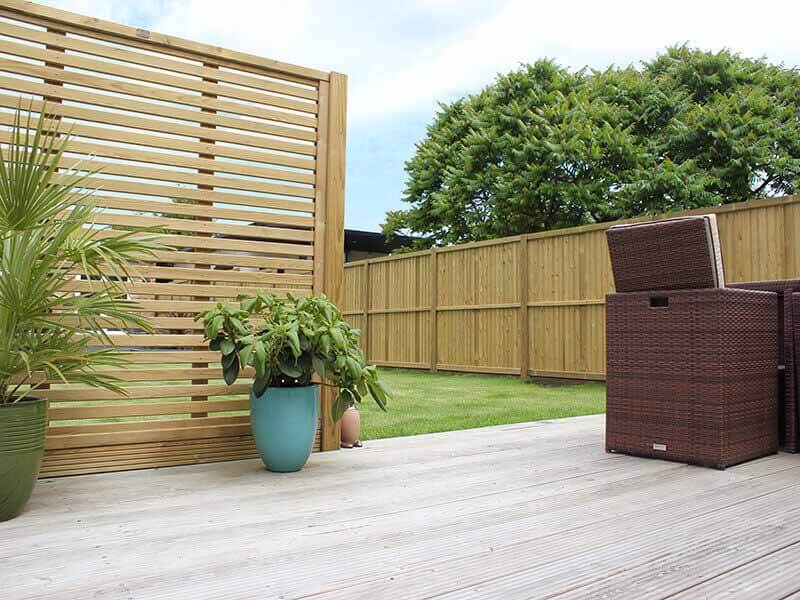
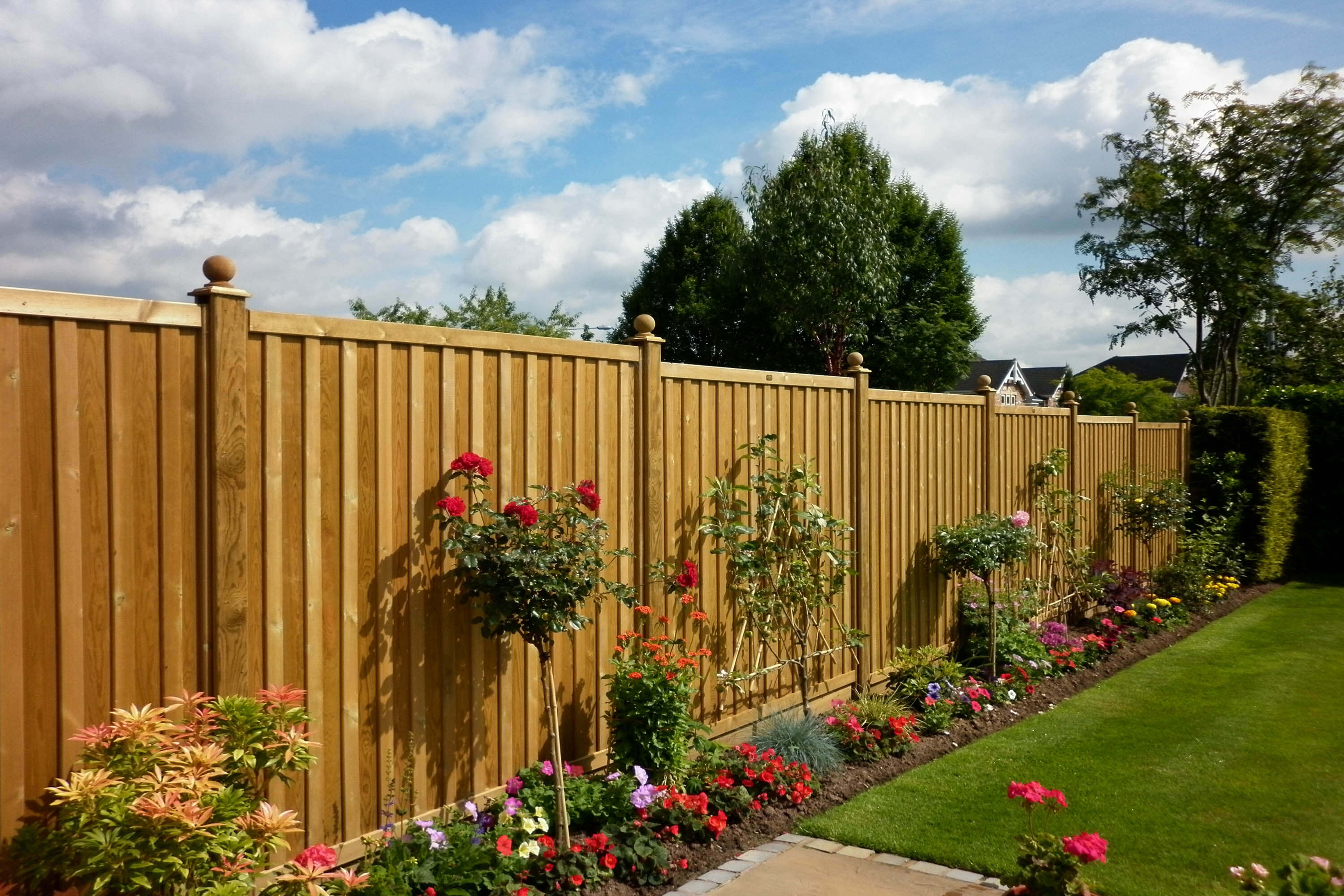
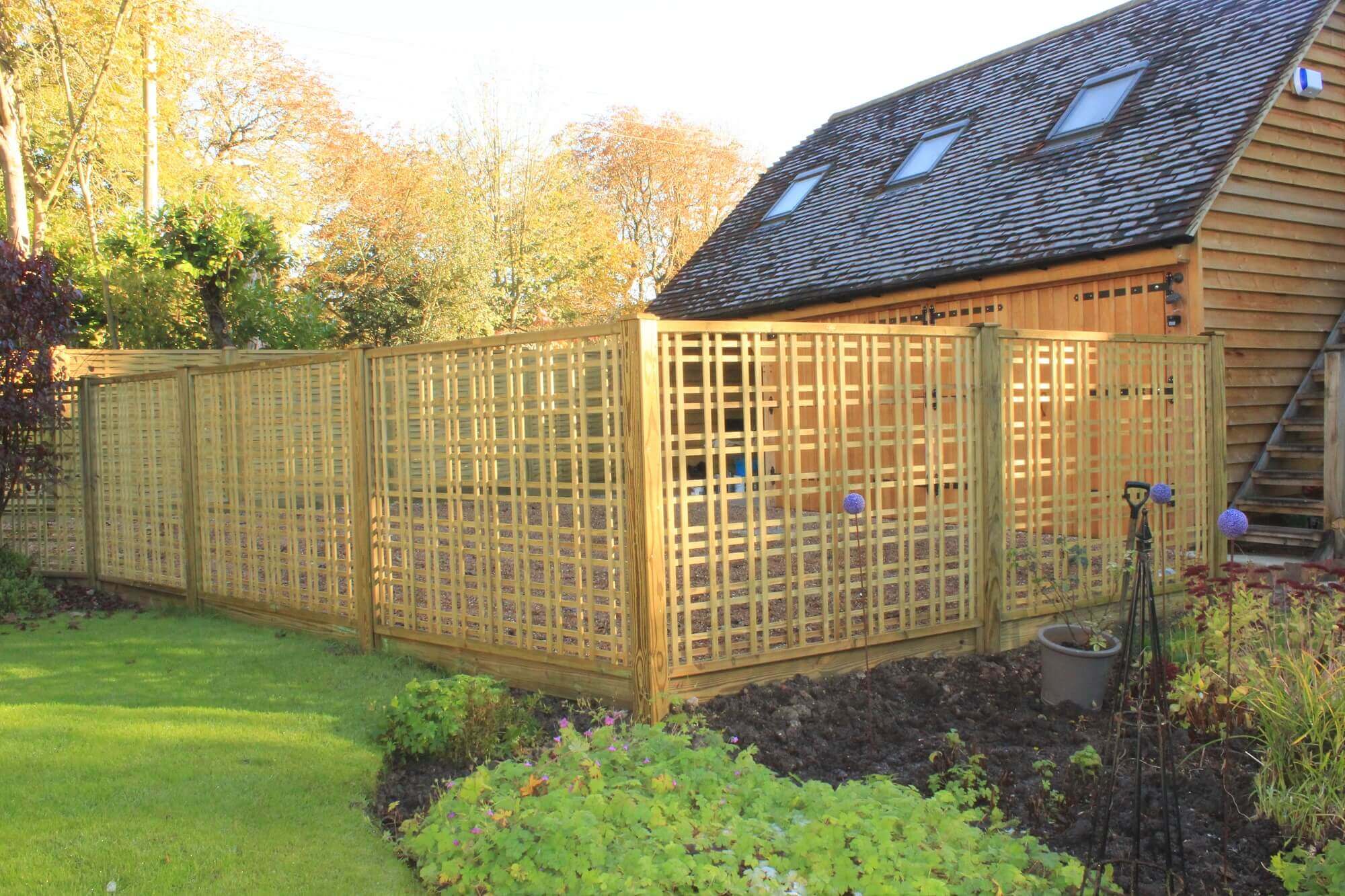
Solid fences, with no spacing between either the slats or panels, offer greater security against intruders, maximum privacy from prying eyes and also offer some noise reduction, while slatted fence panels add a unique twist to boundary creation, but naturally offer less acoustic quality. Trellises, as they’re more open, allow plenty of light to brighten up your outdoor space, as well as allowing for plants to climb upwards. Depending on what you're looking for we would recommend researching the different fence types.
 Alternatively, we have produced short films on the two mains types of fencing:
Where will the fencing be installed?
A crucial aspect to selecting the right fence for your site is its location, as the placement of the fence affects both the style and height of the fence panels.
For front gardens, shorter panels look more welcoming than tall, solid panels. If your garden is fairly open, fencing surrounding the entire area might not be necessary, but if your fencing will need to contain pets or keep young children within view, a strong, solid and secure perimeter fence, not slatted, is the safest choice.
What size fencing should you choose?
Take into account the impact of light and wind on your garden: You might need a slatted fence panel (semi-solid panel) to allow strong gusts to filter through, or you may want to prevent a leafy garden becoming even shadier with overly tall fencing.
In the UK, planning laws require consent for fences over 2m high. While Jacksons standard panels are 1.83m high - 1.97m with a gravel board, it’s worth checking with your local council for the heights permitted in your area and, if adding protective toppers, check local guidance to be certain your fencing is still legal after installation.
Understanding how big a fence panel actual is in terms of the width and height can get confusing especially when most people in the UK use metric measurements and items like fence panels were originally made in increments of ft. We've got expert advice and handy conversions to help. Explore our advice covering fence panel heights and widths.
Our biggest piece of advice when thinking about the size of fence panel you want installed is to plan and consider the purpose it needs to serve, will this change in the future?
How to choose the right fence height and panel size
Start with the job the fence needs to do. To provide full privacy and security to a rear garden, a 1.83m (6ft) solid panel with a gravel board is the standard choice to create a 1.97m high fence; the tallest you can install without planning permission, as UK rules require consent above 2m. For front gardens, drop to a 3ft or 4ft panel so the boundary feels open and welcoming and keeps clear sightlines. Panels come in standard 1.83m widths and can be cut down on site with a cut-down kit for shorter bays, so measure each run and divide by 1.83m to estimate how many panels you need. If you want height and privacy without a heavy, solid wall of timber, choose a shorter solid panel and add a trellis topper (see below).
Front garden vs back garden – choosing the right boundary
Front and back gardens ask different things of a fence. At the front, lower semi-solid or picket-style panels (around 3-4ft) keep the frontage open, maintain visibility for security and often satisfy local planning stipulations near a highway. At the back, taller solid panels give privacy and shelter. Semi-solid styles such as Venetian are ideal close to the house because they let light through while still defining the boundary.
Adding privacy and height with trellis toppers
If an existing fence or wall feels too low but you're worried that a tall fence will be imposing, adding a trellis topper strikes a good balance. Fitting a solid panel with a trellis top keeps the lower section private while letting light and air through above, and gives climbing plants something to grow through so the boundary softens over time.
Pressure treated timber can make a big difference
Aesthetics are important when choosing a fence, but above all you want to be confident that the product you choose to invest in will look good and offer security and reliability for years to come. If your fence, for example, can’t withstand strong winds, you’ll spend more in the long run on repairs and replacement panels.
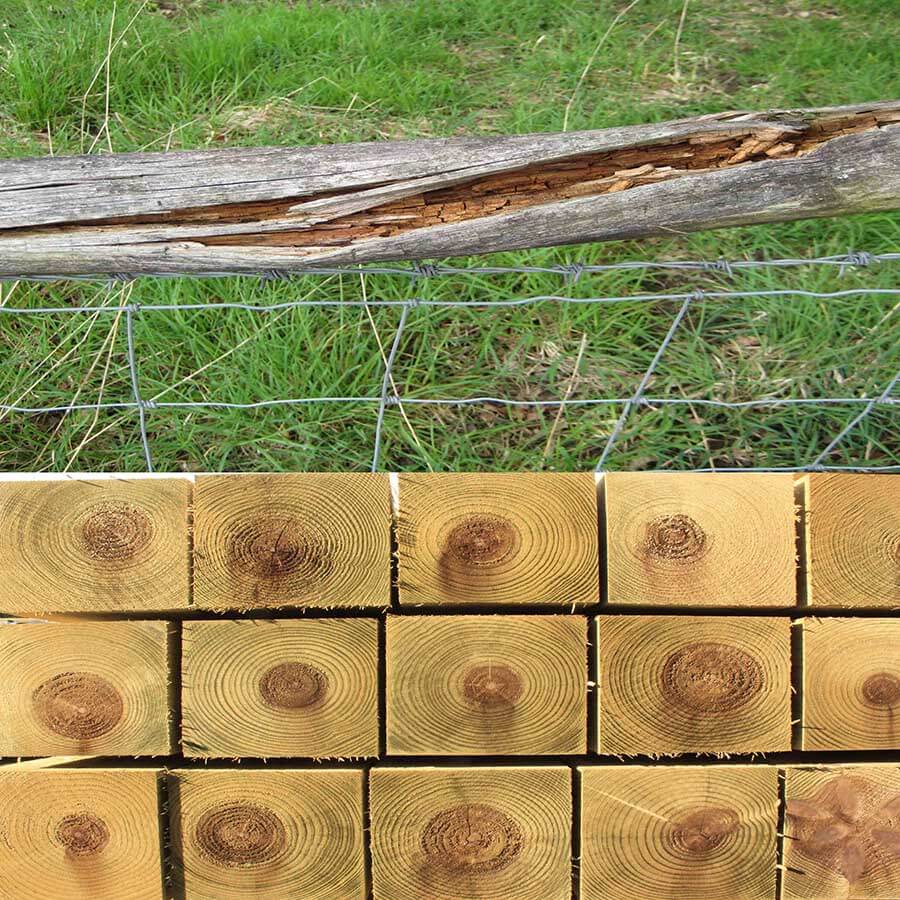
All Jacksons’ fencing comes with our 25 year guarantee to give you total confidence in your chosen fence and gate. Our unique Jakcure® timber treatment process ensures your wooden fencing won’t succumb to rot or insect attack.
To understand more about the timber treatment process Jacksons undertakes and why treated fencing is a better sustainable choice, download our timber treatment brochure.
How to fence a whole garden or boundary
Fencing a full perimeter is easier if you plan it as a series of straight runs. Walk the boundary, note changes in direction and level, and treat each straight section between corners as its own run. Confirm which boundaries you own before you start, check ground conditions (a slope may need stepped panels, traditional fencing, or heavy duty posts), and decide where gates go early so posts can be positioned to suit. Then specify posts, panels, gravel boards, and any toppers per run.
Security and style, guaranteed
With a 25 year guarantee for confidence and a network of professional Approved Installers, all vetted by us, choosing a new fence and getting it installed couldn't be easier. Speak to our friendly team or try out our fence builder today.
You can also see our complete range of fencing or request a Good Fencing Guide.