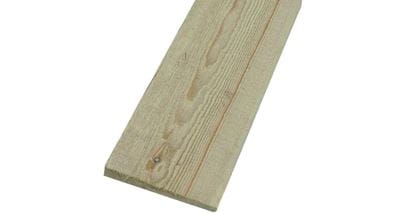
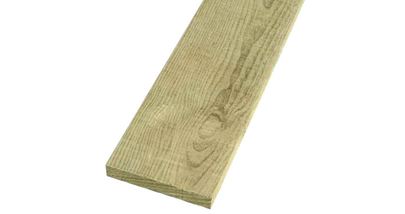
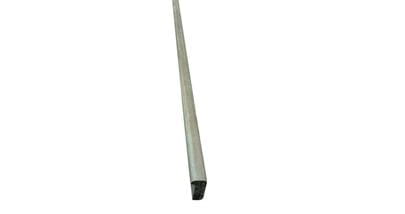
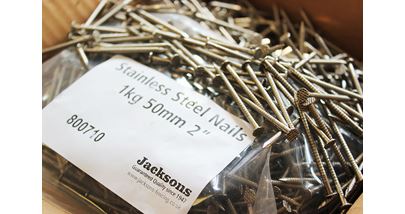
Traditional fencing, also known as kit-form fencing, is a versatile and practical fencing solution made up of individual components rather than pre-assembled fence panels. Built using pales, rails, and posts, traditional fencing is assembled on site, giving installers greater flexibility to adapt the fence to the shape and layout of the garden. Traditional fencing is particularly well suited to large gardens with long boundaries and sloping ground, where standard fence panels may be more difficult to install. Traditional fencing is also useful in tight spaces and gardens with limited access, where delivering full sized fence panels can be challenging. Its kit-form construction allows components to be easily transported and fitted precisely on site, reducing the need to cut panels down, and providing a more flexible solution for bespoke fence runs.
The main components of traditional fencing are:
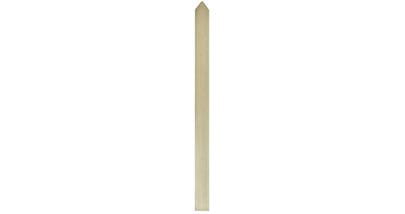
Pales – the vertical boards that create the face of the fence.
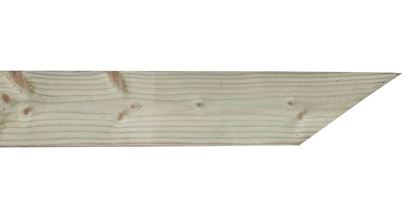
Rails – horizontal supports that provide strength and stability.
Posts – structural uprights that support the fence and secure it in place.
Gravel boards – solid timber sections at the base of the fence that help protect pales from ground contact and moisture.
One of the main advantages of traditional fencing over panel fencing is flexibility. Installers can follow the natural contours of sloping gardens, adjust pale spacing where required, and make repairs without replacing an entire fence section. This makes traditional fencing a practical and cost-effective solution.
Because every component is installed individually, traditional fencing can be adapted more easily around uneven ground, awkward boundaries, and established landscaping features.
Types of Traditional Fencing
Jacksons offers a range of traditional fencing styles to suit different properties, requirements, and design preferences.
Featherboard Fencing
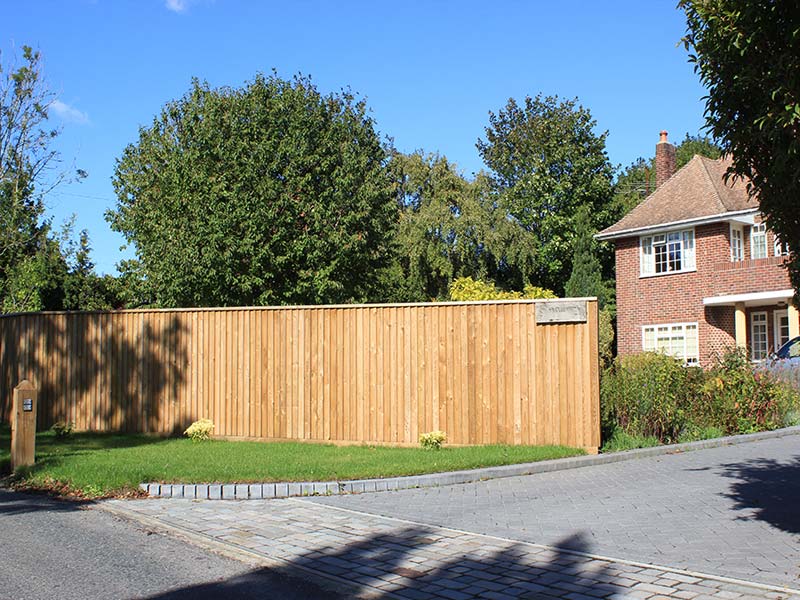
Traditional featherboard fencing, also known as closeboard fencing, is one of the most popular styles of timber fencing in the UK. Constructed from overlapping feather edge boards fixed to horizontal rails, it creates a strong, robust boundary that offers excellent privacy and security. Its solid construction makes it ideal for gardens, property boundaries, and areas exposed to the elements.
Featherboard fencing is a versatile option that complements both traditional and contemporary outdoor spaces. Its timeless appearance, durability, and ability to create a fully screened boundary make it a popular choice for homeowners seeking privacy and long-lasting performance.
Rounded Palisade Fencing
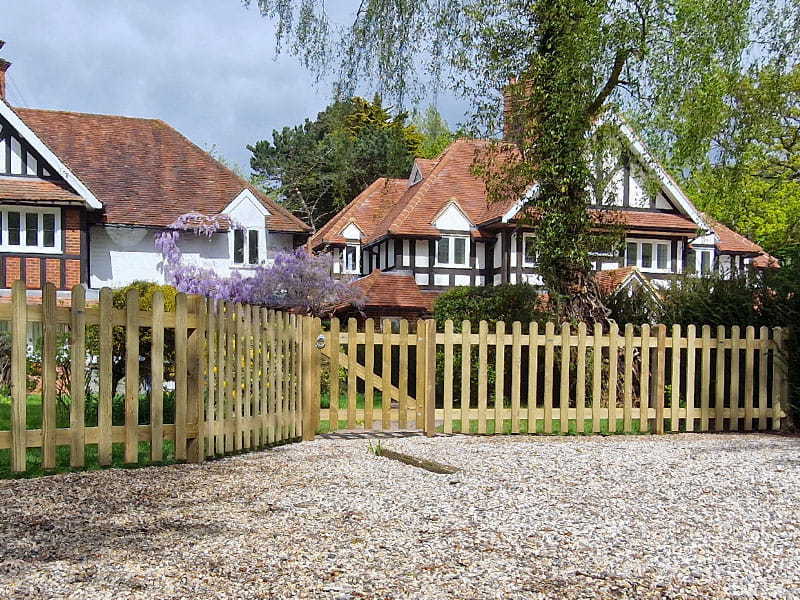
Rounded palisade fencing features vertical timber pales with smooth rounded tops, creating a friendly and attractive appearance that works particularly well in front gardens, pathways, and landscaped areas. It provides a clear boundary while maintaining an open and welcoming feel.
This style is ideal where visibility is important and can help define spaces without creating a solid visual barrier. Rounded pale tops also provide a softer aesthetic that complements traditional garden designs.
Pointed Palisade Fencing
Pointed palisade fencing offers the same traditional appearance as rounded palisade fencing but with a more distinctive pointed pale profile. The pointed tops add extra character while helping to discourage climbing, making this style a popular choice for front gardens, boundary fencing, and community spaces.
Combining decorative appeal with practical perimeter definition, pointed palisade fencing remains a timeless solution for both domestic and commercial environments.
Why Choose Traditional Fencing?
Traditional fencing remains a popular choice because it offers flexibility, durability, and customisation that can be difficult to achieve with fence panels.
Better for Sloping Ground
One of the biggest advantages of traditional fencing is its ability to follow the natural contours of the land. Because the pales and rails are installed individually, fencing can be stepped or raked to suit uneven ground, creating a more attractive and practical finish on sloping sites.
Easy to Repair
If part of the fence becomes damaged, individual pales or rails can often be replaced without removing an entire fencing section. This can make maintenance simpler and more cost-effective over the lifetime of the fence.
Flexible Installation
Traditional fencing offers greater installation flexibility than many panel systems. It can be adapted to different layouts, boundary lengths, and site conditions, making it suitable for a wide range of domestic, agricultural, and commercial projects.
Find the Right Traditional Fence for Your Project
Whether you prefer the privacy of featherboard fencing or the classic appearance of rounded or pointed palisade fencing, traditional fencing offers a reliable, adaptable, and long-lasting solution for a variety of garden and boundary applications. Explore our range of traditional fencing products below to find the ideal style for your project. Alternatively, explore the differences and reasons for choosing panel fencing or traditional fencing in our guide:
Traditional or Panel Fencing