


28/06/2023 12:00 AM
Fence panels come in an array of sizes. Smaller fence panel designs are widely available and suit a variety of applications. There are many reasons why small fences suit a space. They are often chosen for defining boundaries on driveways and front gardens.
Skyline Fencing and Landscaping, based across Essex, Suffolk and London, installed our Venetian fence panels at a property to separate two neighbouring property driveways.
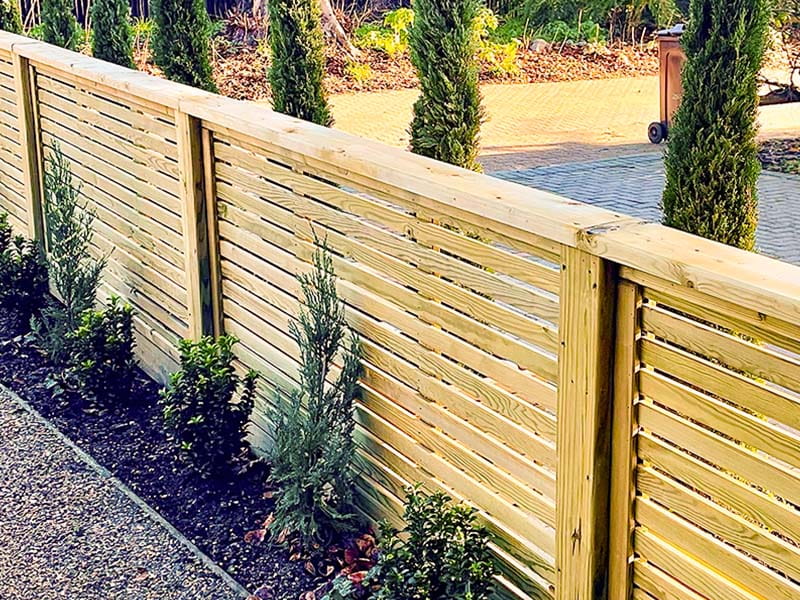
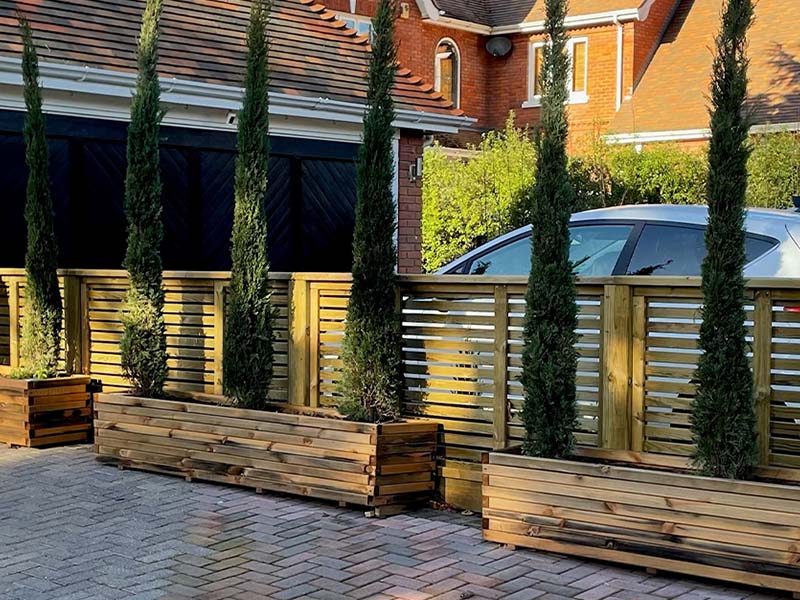
Choosing a semi-solid fence panel such as Venetian keeps the front garden feeling open and offers a contemporary look and feel. Low fencing keeps visibility high, allowing the homeowner to see out to assess anyone near or on their property, and is often a stipulation in planning regulations.
When fencing is in close proximity to a house, semi-solid panels are a much better option to allow light into the property. If you choose a solid fence panel it could run the risk of reducing the amount of light entering your home.
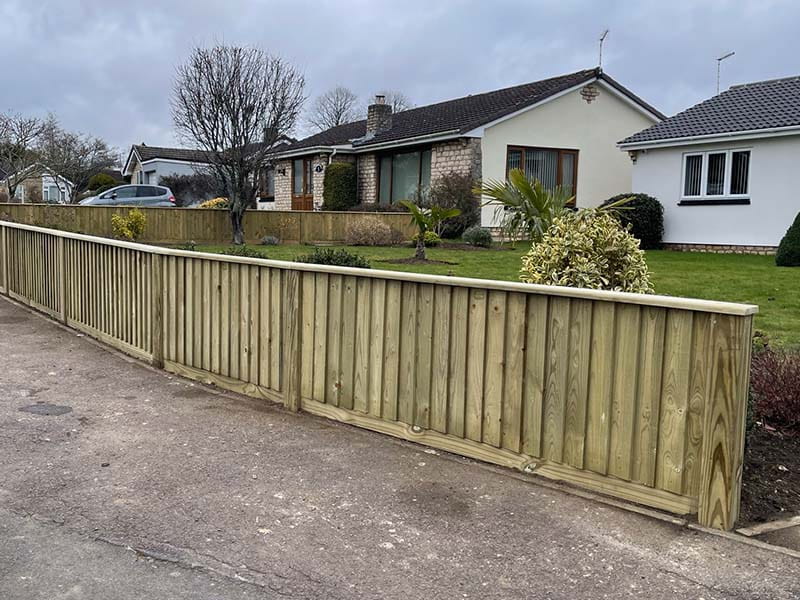
If the boundary of your property is far enough away that it won’t block light from coming into your home, choosing a short, solid fence panel is a great option.
Keeping fencing short at the front of a home can help with surveillance of threats entering your property. If someone wanted to conceal themselves behind the fence, they would need to crouch down which would cause suspicion and hopefully raise the alarm.
Short panels control access
It may seem pointless to add a short fence just to mark the boundary of your home, but fencing serves many purposes. Having a fence will control how people access your property, whether it be the delivery person, visitors to your home or even a dog on its walk past your house. A fence will let people know where they can come onto your property and stop anyone accessing your property where you don’t want, like across your lawn or flowerbeds. A short boundary fence around the front garden also helps to keep pets and children safe in the event that they run out of the front door unsupervised.
Rear garden small panels
Choosing small panels for a rear garden is often common when gardens are also small. It allows the space to feel less enclosed and claustrophobic. Natural light is important in a garden and for the rear facing rooms in a home, so it’s worth researching which style of fence panel or panel combination will work best. Shorter, solid panels with no line of sight through help to offer some privacy when in the garden.
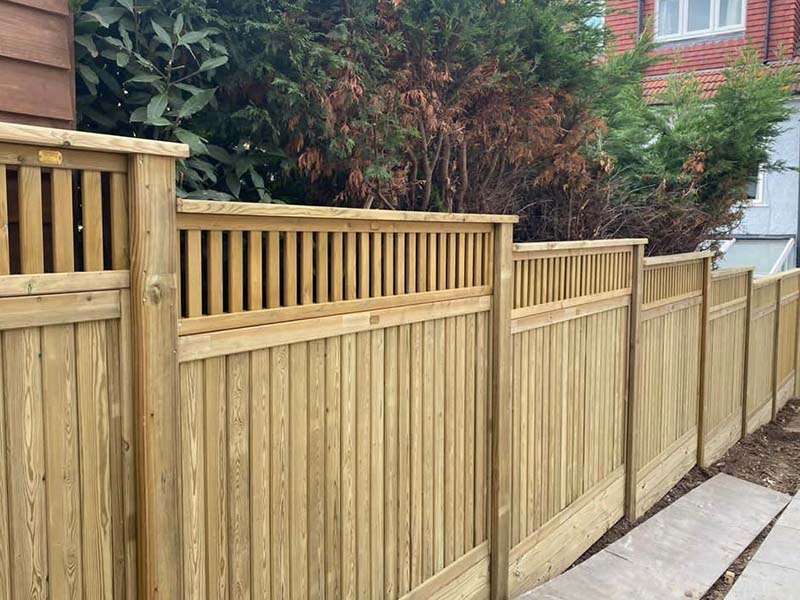
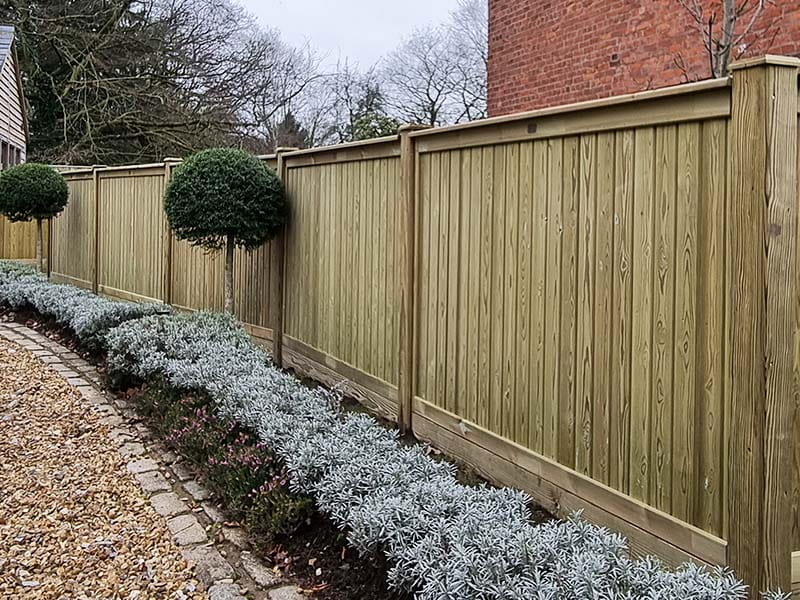
Creative Scapes installed a popular combination of Vertical Tongue and Groove Effect panels with our Square Trellis topper. The garden was small and surrounded by mature trees with full canopies. Keeping the fencing low here helped to keep light levels high in the garden and stop the space feeling small and enclosed.
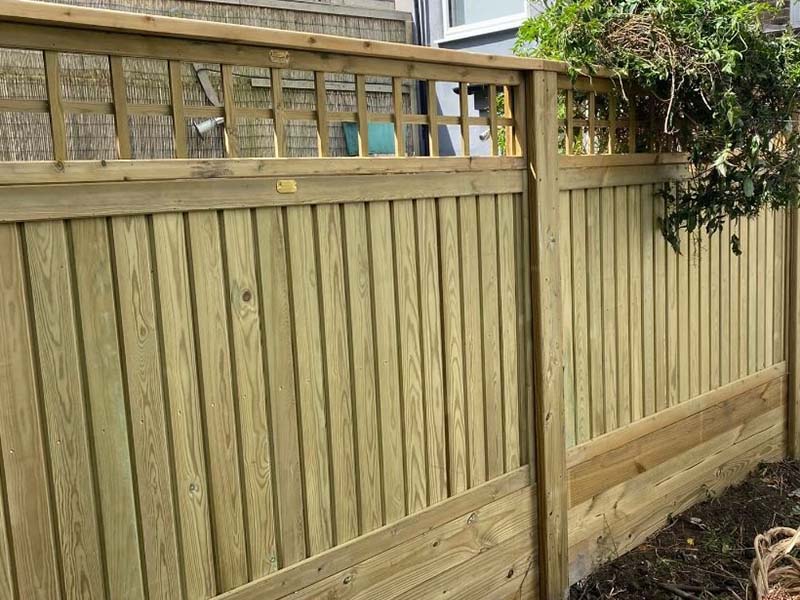
The lower three quarters of the fence are solid with no line of sight through which offers some privacy for the garden as well as keeping it tidy from neighbouring plants that may become overgrown and grow through the panel. The square trellis on top is great for allowing light air to flow through. Short fence panels can still be installed even when privacy and light aren’t concerns. If you have lots of tree cover in the garden or privacy is not a concern, opting for shorter fence panels is a cheaper way to fence your boundary.
Leave views unspoiled with small fence panels
If you live in a rural area and privacy is no concern, short fence panels are great to fence the boundary of your property without stopping the views beyond the garden. To keep the views even less interrupted, opt for a post and rail style fence which can be compromised of two or three rails. Garden screen with short fence panels
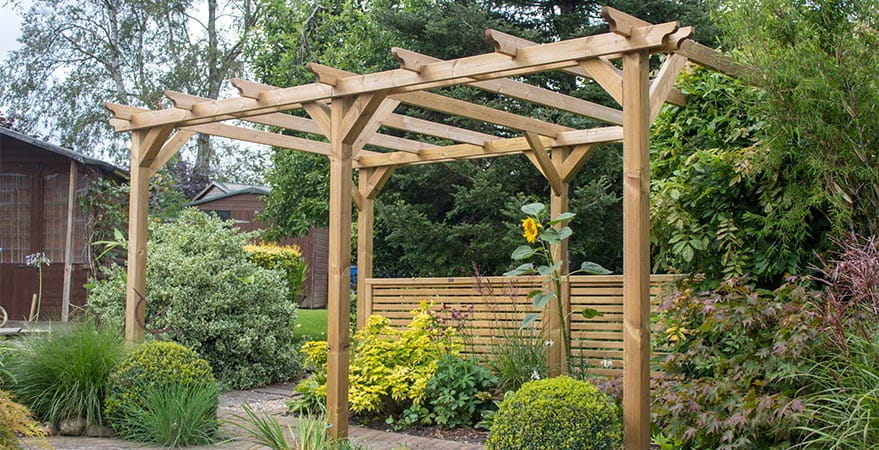
Shorter panels in the garden can help screen areas without impacting the size of the garden. Keeping panels short allows a line of sight further back in the garden, so the fence doesn’t box in any areas. Instead, panels act as a frame and divider to create separate areas in one larger space.
What sizes do small fence panels come in?
Small panels are usually described by height. Our shortest standard panels are 3ft (0.91m), close to a 1 metre fence, ideal for open, low boundaries and for pairing with a topper. 4ft (1.22m) panels give a little more screening and privacy while staying below eye level. All panels come in a standard 1.83m width and can be cut down on site with a cut down kit if you need a narrower bay, so 'small' can mean short, narrow, or both.
Low, short or small: which fence do you actually need?
These terms get used interchangeably but point to slightly different needs. A short or low fence (3–4ft) marks a boundary without blocking light or views, perfect for front gardens and open-plan spaces. A small fence can also mean a short run in a small garden, where a lower panel keeps the space feeling larger. And a narrow panel is a standard height cut down to fit a tight gap. Decide whether you're solving for height or width, then choose the panel and any topper to match if required.
Low fence ideas for front gardens and driveways
At the front of a home, a low fence defines the boundary while keeping the frontage welcoming and sightlines clear for security. Picket and semi-solid styles (like Venetian) suit open front gardens; a low solid panel with a trellis top adds a decorative, traditional touch alongside a path or driveway. Keep driveway-side fencing low enough to maintain visibility when pulling in and out, and check local planning stipulations for boundaries next to a highway.
Fencing a small garden
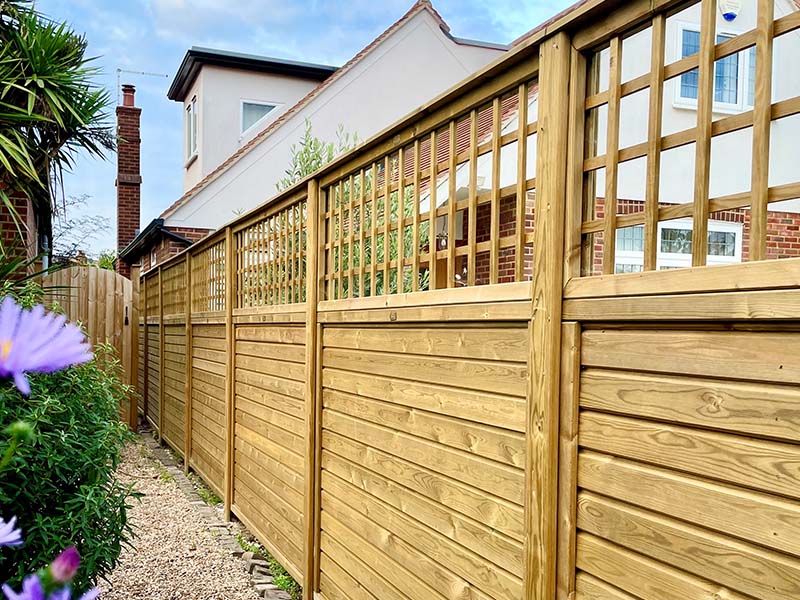
In a small garden, choosing the right fence can create the illusion of more space. Horizontal panels guide the eye along the boundary, making the area appear longer, giving the garden a larger feel. Semi-solid styles keep the area light and airy near the house, and adding a trellis topper provides height and privacy without the heaviness of a solid timber wall.