


05/01/2026 12:00 PM
If you are thinking about redesigning your garden, the good news is that any time of year can be a good time to begin the process. However, some seasons offer clear advantages. People often wait until spring to start thinking about their outdoor spaces, but by that point designers and landscapers are already becoming extremely busy. The period from autumn through winter, and even the early weeks before spring truly begins, is the ideal moment to start planning. Beginning now means you can secure a place in a designer’s schedule, prepare properly, and be ready for construction and planting as soon as the weather improves.
Many homeowners associate gardening with warmer weather, but the work that leads to a beautiful summer ready space happens much earlier.
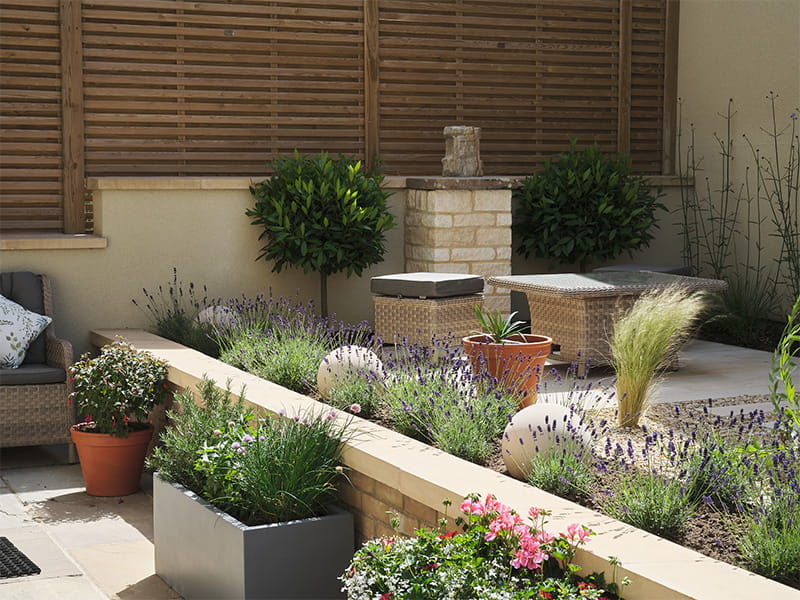
By Foxwood Garden Design
Why Autumn and Winter Are the Best Seasons to Speak to a Garden Designer
Designing a garden is a collaborative process that involves far more than choosing a few plants or deciding where to put a patio. It requires understanding your lifestyle, the character of your home, and the atmosphere you want to create. Autumn and winter are naturally quieter times in the gardening calendar. With fewer on-site commitments, designers have more time to listen closely to your ideas and translate them into a meaningful plan. Conversations can be deeper, revisions can be more considered, and you have the breathing room to reflect on options rather than making quick springtime decisions.
Another major advantage of speaking to a designer during the colder months is simple availability. By early spring, many of the best designers and landscapers are already fully booked for months ahead. Starting the conversation now greatly increases your chances of securing the team you want, at a time that works for you. It also allows them to give your project the attention it deserves, rather than squeezing it in during the busiest part of the year.
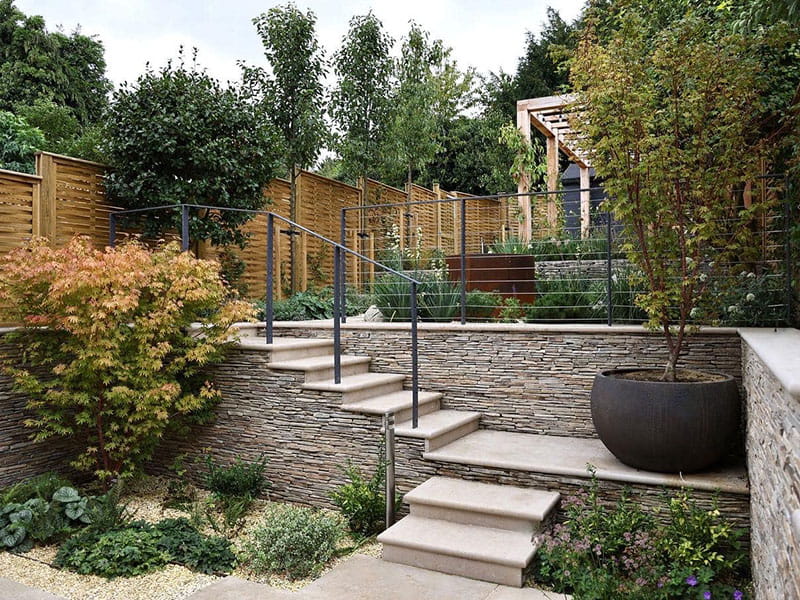
By Gardens by Anna Butterfield
Seasonal Advantages and a Clearer View of the Garden
One of the most practical benefits of planning your garden in autumn or winter is the ability to see its true structure. Once leaves have fallen and herbaceous plants have died back, the essential layout of the garden becomes visible. Boundaries, levels, existing trees, architectural lines, and problem areas are all much easier to assess. Winter light also behaves differently, with lower angles that cast longer shadows. Observing how your garden receives light at this time of year can significantly influence decisions about seating areas, paths, and planting design, as well as where features such as decking or pergolas might work best.
This stripped back view of the garden helps both you and your designer develop a more accurate understanding of the space. It becomes easier to spot opportunities, resolve issues and create a layout that works across all seasons.
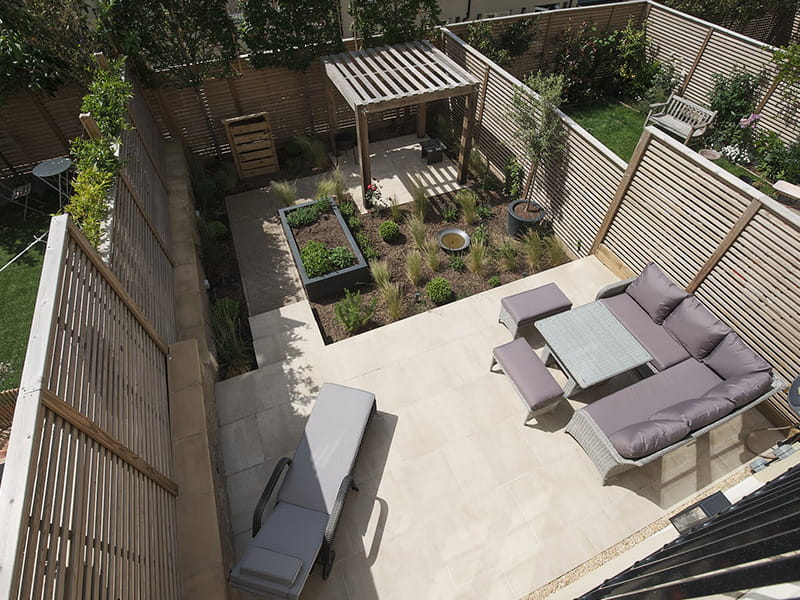
By Selby Landscapes
Getting Ahead of Spring Planting
While certain trees and shrubs do well when planted in autumn, many designers prefer to do the bulk of planting in spring when plants are in excellent condition. Beginning the design process now ensures everything is ready for the moment planting season begins. Beds can be prepared, hard landscaping can be built, and structural changes completed while the colder weather holds. Starting early also means you have time to consider larger structural additions such as pergolas, decking areas, or bespoke raised beds.
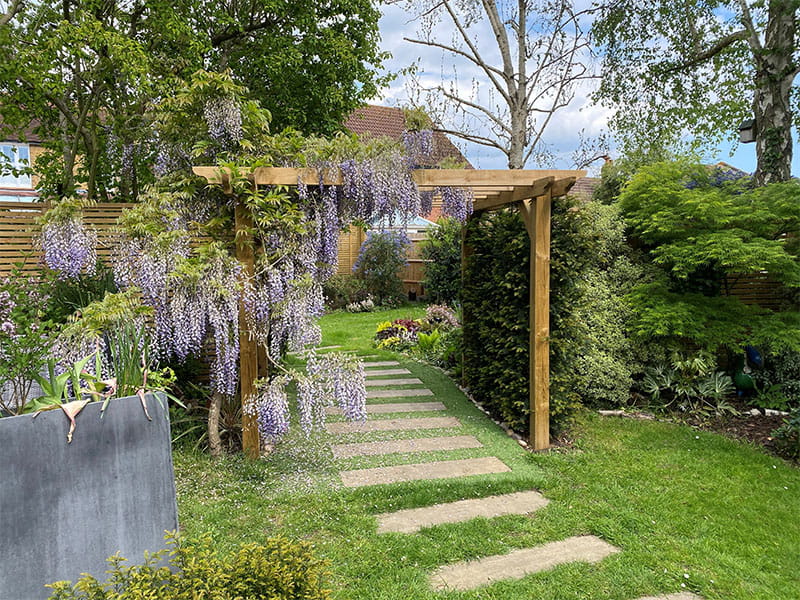
By John Padwick Landscapes
Comfortable and Efficient Working Conditions
Autumn and winter can be excellent times for groundwork and structural construction. The cooler temperatures create more comfortable working conditions for landscapers, and the soil often contains enough moisture to make digging and shaping the land easier.
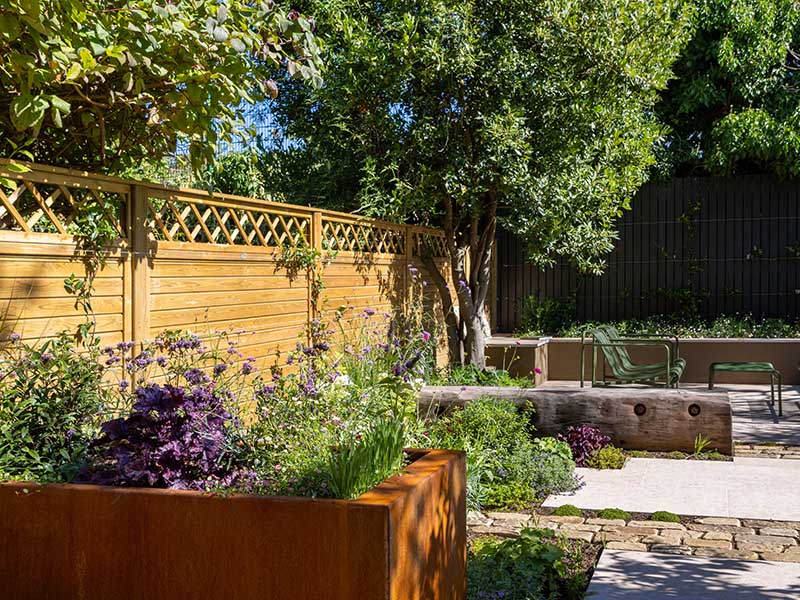
By Georgia Lindsay
What to Expect from the Garden Design Process
A typical garden design journey begins with an in-depth conversation about how you want to use your space. Designers then spend time creating a concept plan and more detailed drawings and specifications. Once the design is agreed, you can obtain quotes from contractors, and when the build is complete the planting begins. From the first conversation to the moment your garden is finished, the process takes time, which is why starting early is so important.
Read more in our blog on what to expect from a garden designer.
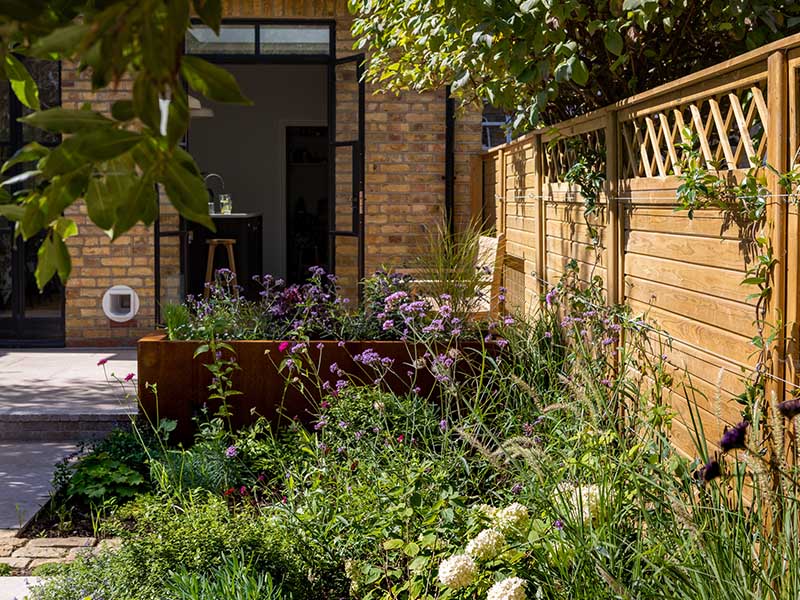
By Georgia Lindsay
How to Prepare for Working with a Designer
Before speaking to a garden designer, it helps to have thought about a few key things. Start by making a list of how you want to use the space. This might include dining, entertaining, relaxing, growing vegetables, playing with children, or working from home. Any detail, no matter how small, can help guide the design. Think about how you want to use your garden day‑to‑day, whether you love growing your own produce and would like to incorporate raised garden beds, or you would like a pergola or garden shelter for an outdoor dining area. Gather inspiration wherever you can find it. Pinterest, garden visits, or magazine clippings all help you express your taste. Also take a moment to consider the style and age of your home. A well designed garden should feel connected to the architecture it surrounds. Trust your designer and stay open to ideas, think about materials, maintenance, and long-term upkeep, and be realistic about budgets and timelines.
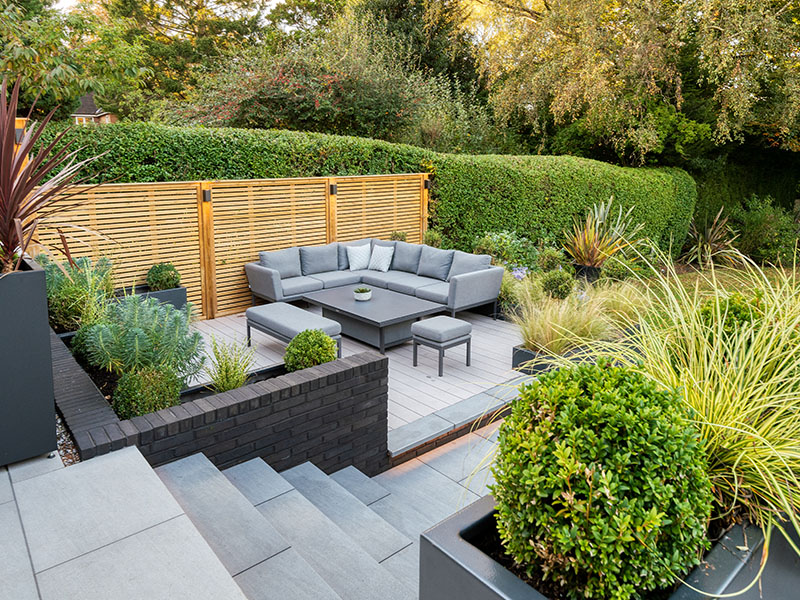
By Creative Gardens and Driveways
Start Now and Look Forward to Your New Garden
Beginning the design process early puts you in the strongest position for a smooth, well planned transformation. Your garden will be fully designed ahead of spring, your contractors can begin at the right time, and you will be perfectly placed to enjoy a beautiful new space as soon as the warm weather arrives.
Projects by garden designers:
Discover how garden designer Mark Lane transformed his own plot into a contemporary wild garden using acoustic fencing, Venetian panels, and raised timber beds, creating an accessible, wildlife‑friendly space full of clever design ideas.
Mark Lane's Contemporary Wild Garden Project
Discover how a small garden in Sandwich was completely transformed into an award‑winning space, featuring clever level changes, Venetian fencing for light and privacy, and thoughtful details like raised beds and a bespoke dog‑washing station:
Garden designer enters into APL garden awards
Discover how garden designer Peter Reader transformed a neglected, uneven plot into a bright, contemporary outdoor room featuring curved patios, raised levels, and modern Hit and Miss fencing:
Garden designer features Hit and Miss fencing
Read our tips for how to future-proof your garden for heatwaves and changing UK winters