


14/08/2026 01:30 PM
Drought proof gardens are no longer just a concern for the Mediterranean. As climate patterns shift, UK gardeners are increasingly facing hotter, drier summers, milder winters, and more frequent extreme weather events. The challenge is no longer simply keeping plants alive through a heatwave. Gardens now need to cope with drought, sudden heavy downpours, water restrictions, and changing pest pressures, all while remaining attractive spaces for people and wildlife.
The good news is that with thoughtful design and plant choices, it is possible to create a garden that thrives in these changing conditions.
Drought Resistant Gardens: How to Future-Proof Your Garden for Heatwaves and Changing UK Winters
Climate experts predict that the UK will continue to experience warmer summers, milder winters, and more intense rainfall events. For gardeners, this means adapting to a future where gardens may spend weeks without significant rain in summer, only to face prolonged wet periods and flooding in winter.
So why not create a drought proof garden that works with the climate rather than against it?
What Does Climate Change Mean for UK Gardens?
The traditional British garden has often relied on regular rainfall, lush lawns, and moisture-loving plants. However, prolonged periods of hot, dry weather are becoming more common.
At the same time, winters are becoming wetter, creating a phenomenon many gardeners are already experiencing: waterlogged soil in winter and bone-dry ground in summer.
This "water whiplash" presents several challenges:
- Drought stress during summer
- Increased risk of hosepipe bans
- Heavy rainfall running off compacted soil
- More pests surviving mild winters
- Greater pressure on traditional garden plants
Creating drought proof gardens requires thinking about how your garden manages water throughout the entire year, not just during heatwaves.
Healthy Soil is Your Best Defence
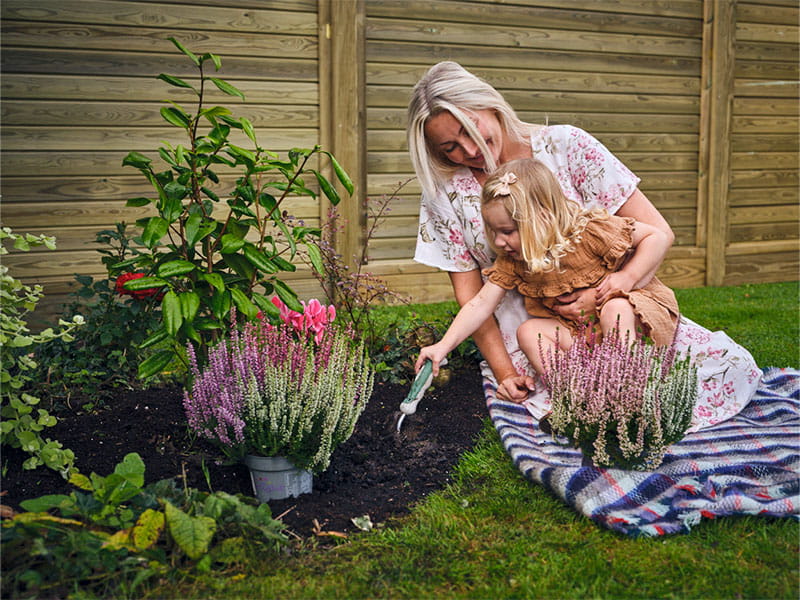
One of the most effective ways to build a climate resilient garden is by improving the soil. Healthy soil acts like a sponge, absorbing rainfall during wet periods and slowly releasing moisture back to plants during dry spells. Soils rich in organic matter are also better able to cope with sudden downpours, helping to reduce runoff and erosion.
To improve your soil:
- Add compost or well-rotted manure regularly
- Use leaf mould where possible
- Apply a thick 5-10cm layer of organic mulch every spring
- Avoid compacting soil unnecessarily
Store Water While You Have It
With water becoming an increasingly valuable resource, storing rainfall is a practical investment. Installing water butts on houses, sheds, and greenhouses allows you to capture rainwater during wetter periods and use it during dry spells. Plants often prefer rainwater to treated tap water, making it a win-win solution.
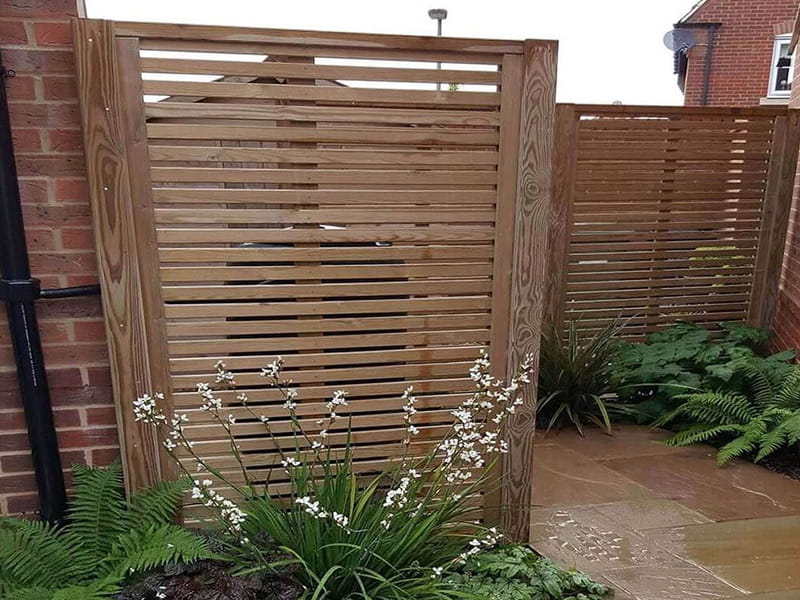
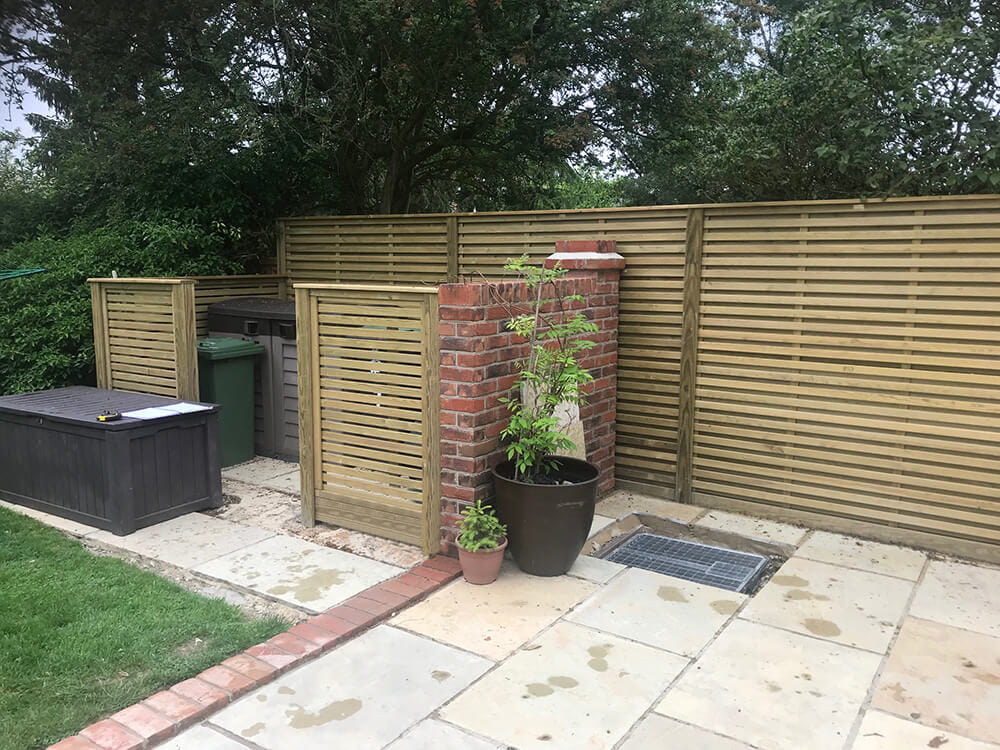
Water butts can be a bit of an eyesore. If this is a concern, consider disguising it with decorative trellis panels, climbing plants, or other types of screens. This can turn a functional feature into an attractive part of the garden design.
Other water-saving measures include:
- Watering at the base of plants instead of using sprinklers
- Watering early in the morning or late in the evening
- Using watering cans rather than hoses
- Allowing established lawns to go dormant and brown during drought
Don't Forget About Downpours
Another challenge for modern gardens is coping with heavy rainfall after prolonged dry weather. During drought, soil can become hard and compacted, making it difficult for water to soak in. Instead, rain may rush across the surface, causing large puddles, and waterlogging.
To help your garden cope:
- Poke deep holes: Use a garden fork to create drainage channels in compacted soil.
- Aerate lawns: Reduce compaction so water can soak into the ground.
- Add organic matter: Compost helps soil absorb and retain more water.
- Create rain gardens: Shallow planted areas can capture and slow excess runoff.
- Choose permeable surfaces: Gravel paths and permeable paving allow rainfall to drain naturally.
Designing for both drought and downpours will help your garden stay resilient whatever the weather brings.
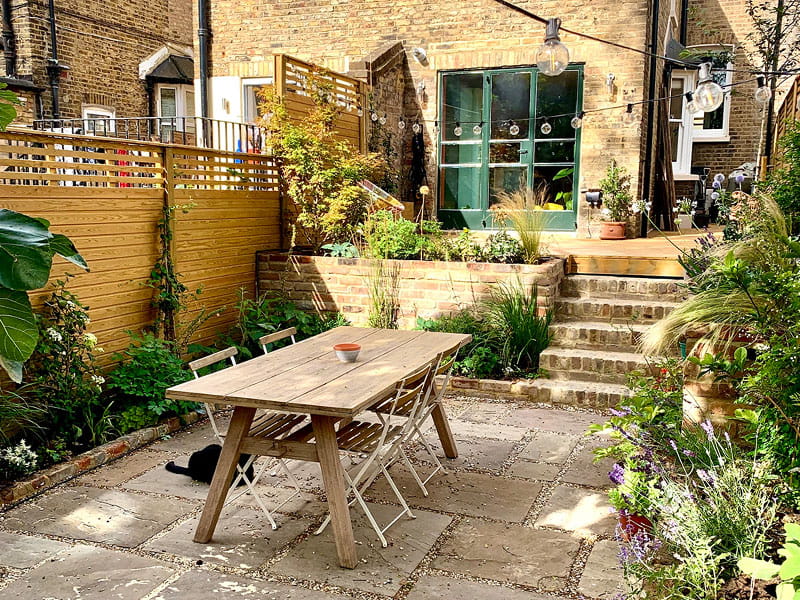
Choose Plants That Can Cope with Extremes
A key principle of drought proof gardens is choosing plants suited to future growing conditions. Mediterranean-inspired planting schemes are becoming increasingly popular, offering structure, fragrance, and colour while requiring less irrigation than traditional planting.
Consider introducing:
Permanent Backbone Plants
These reliable perennials provide structure year after year:
- Russian sage
- Sea holly
- Globe thistle
- Lavender
- Rosemary
- Sedum
Reliable Bulbs
Bulbs often cope remarkably well with both winter rain and summer drought.
Examples include:
- Alliums
- Agapanthus
- Iris
Self-Seeding Survivors
These plants help maintain seasonal colour with minimal effort:
- California poppies
- Viper's bugloss
- Cornflowers
- Poppies
One important consideration for Mediterranean-style planting in the UK is winter drainage. Many drought-tolerant plants dislike sitting in wet soil during winter.
Raised beds, planting on slopes and incorporating horticultural grit can dramatically improve survival rates.
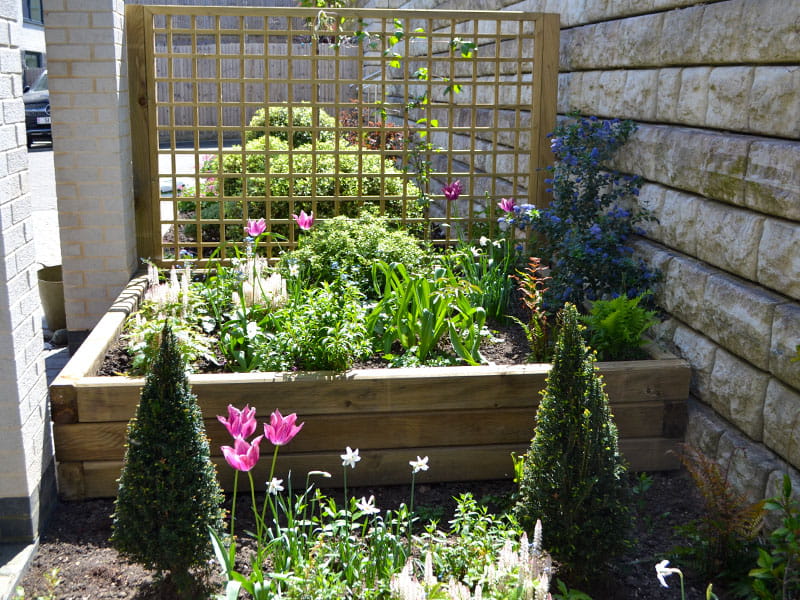
Plant Shade Before You Need It
As heatwaves become more frequent, shade is becoming an increasingly valuable asset.
Trees and larger shrubs do more than simply create shade. They also cool the surrounding air, intercept and slow rainfall, and provide valuable habitats for wildlife.
Suitable options for many gardens include:
- Amelanchier
- Rowan
- Crab apple
- Silver birch
Planting a tree today could make a significant difference to your garden's comfort and resilience in the years ahead.
Think About Garden Zones
Rather than expecting every area of a garden to cope with every weather condition, consider creating different zones.
For example:
Dry Zone
Ideal for:
- Lavender
- Rosemary
- Sedum
- Sea holly
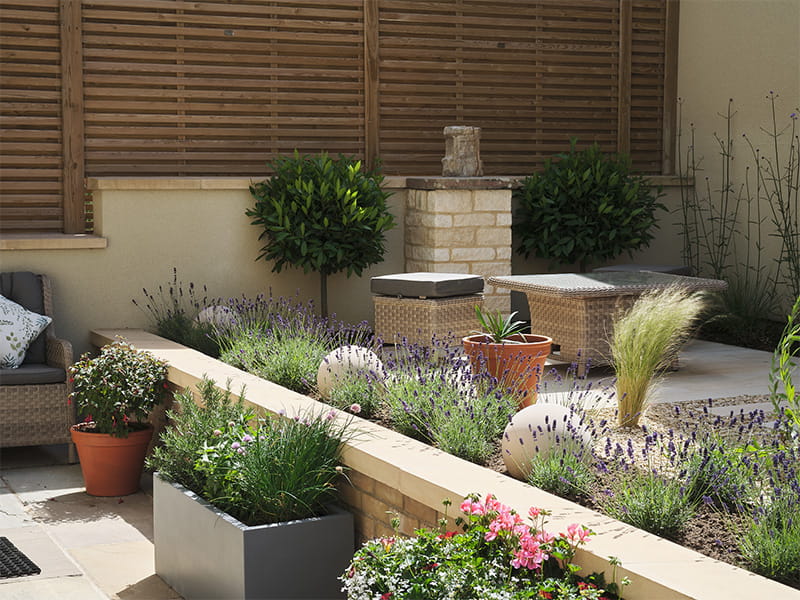
Moisture Zone
A lower area designed to capture water from roofs or patios, planted with species that can tolerate occasional wet conditions.
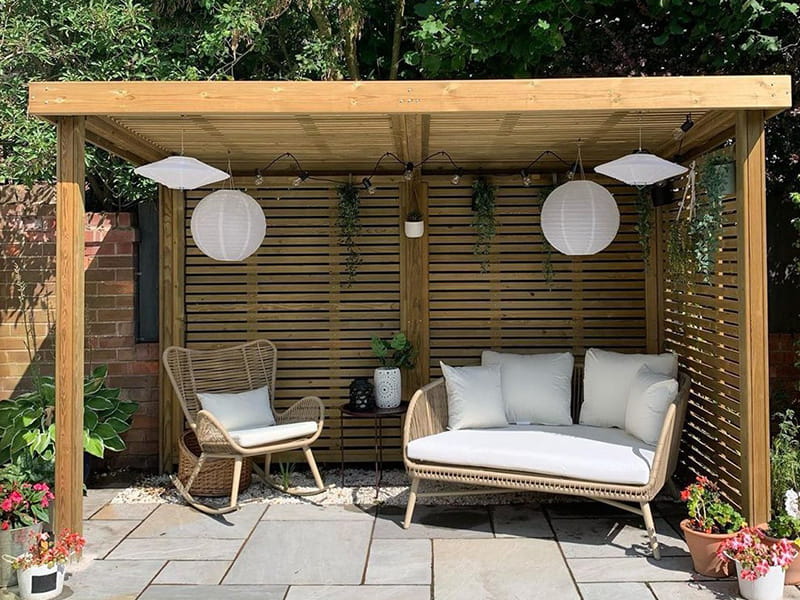
Shade Zone
A comfortable retreat with:
- Pergolas
- Garden shelters
- Seating areas
- Dining spaces
Read our garden shade ideas blog for more inspiration:
Garden shade ideas: Practical ways to keep cool outdoors
Biodiversity Matters More Than Ever
Climate resilience is not just important for plants. Wildlife also benefits from diverse and adaptable gardens.
Many insects are already struggling due to habitat loss, pesticide use, and changing weather patterns. By planting a variety of species that flower at different times of year, gardeners can provide a more reliable food source for pollinators.
A resilient garden might include:
- Nectar-rich flowers
- Native species
- Water sources for birds and insects
- Areas of longer grass
- Seed-producing plants
Where one plant may fail during an unusual weather event, another can continue providing food and shelter.
Is Artificial Grass Really the Answer?
As natural lawns become brown and dormant during dry summers, some homeowners may consider artificial grass. However, artificial grass can present problems of its own.
During hot weather, synthetic surfaces can become significantly hotter than natural grass because they absorb and retain heat. Unlike living lawns, they cannot cool themselves through evaporation. This can make them uncomfortable for people and potentially dangerous for pets.
Artificial grass also offers little value for wildlife and doesn't absorb rainfall in the same way as living landscapes.
Instead, alternatives such as drought tolerant lawn mixes, clover lawns, wildflower areas, and gravel gardens can provide a more sustainable solution.
Making Gardens Comfortable in Every Season
Our gardens now need to provide shelter from more than just rain. As summers become hotter, shaded seating areas and covered outdoor spaces are likely to become increasingly important.
Features worth considering include:
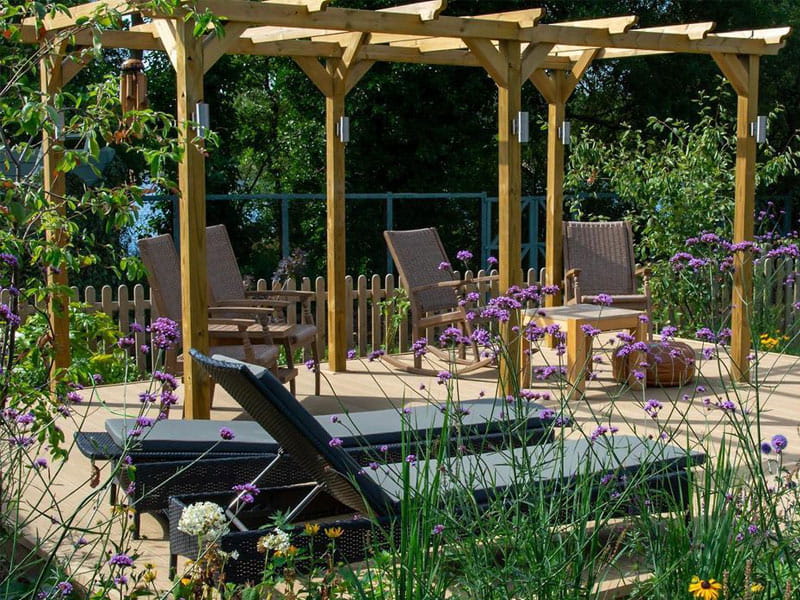
- Pergolas. Whether it’s over sun loungers, as a walkway, or as a screen for a seating area, a pergola can create a holiday inspired retreat.
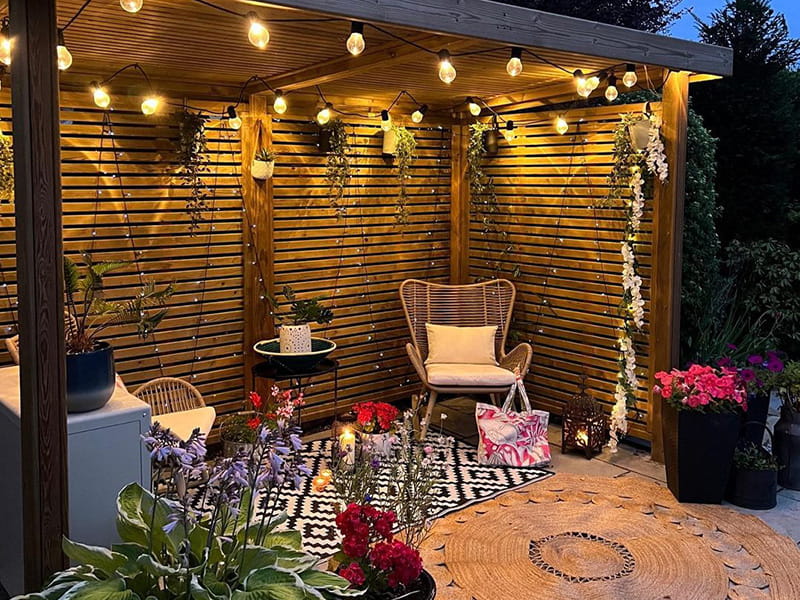
- Garden shelters for year-round use. During the height of summer, they provide welcome shade for outdoor working, dining or entertaining, while in autumn they can become a cosy reading nook where you can enjoy crisp evenings surrounded by the sights and sounds of the garden.
- Outdoor dining areas to make the most of outdoor living. Whether you're hosting a barbecue, gathering family for a weekend lunch, or enjoying long evenings with friends, a dedicated dining space encourages you to spend more time outdoors and make the most of the warmer months. Read our blog on alfresco dining ideas.
- Decking to create practical, versatile spaces throughout the year. By providing a level and accessible surface, decking can help extend the usable area of your garden and allow you to enjoy outdoor living even during wetter periods.
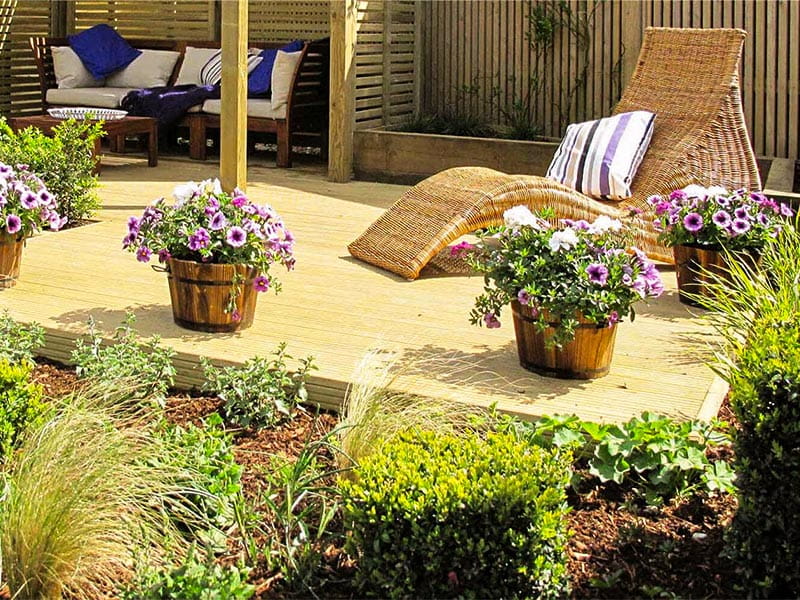
- Comfortable seating areas designed for relaxation and connection. From a quiet corner for morning coffee to a sociable space for evening drinks, thoughtful seating arrangements can help create inviting places to pause, unwind and enjoy your surroundings.
- Feature planting and lighting to add character and atmosphere. Carefully chosen plants and subtle outdoor lighting can enhance the garden's appearance, draw attention to key features and create a warm, welcoming ambience long after the sun goes down.
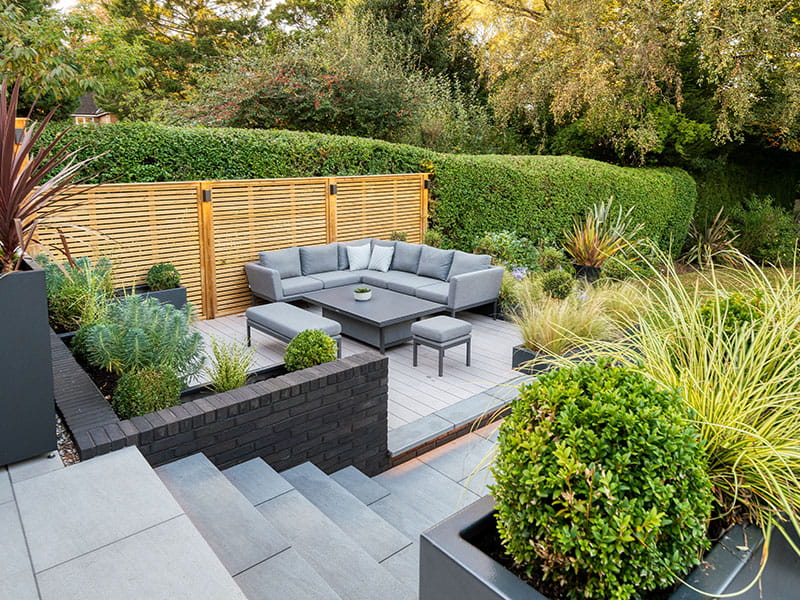
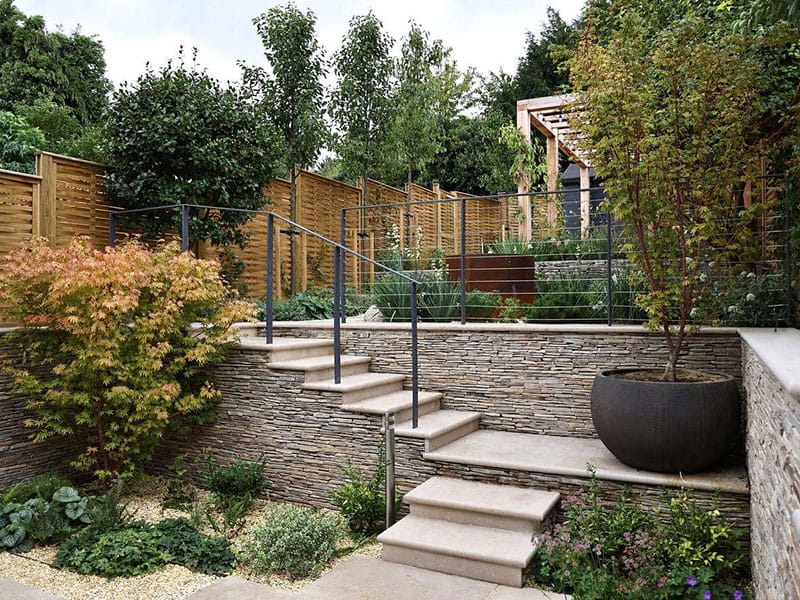
Alongside your fencing, these features help define the structure and character of the garden. During winter, or when planting dies back after summer drought, garden features such as fencing, pergolas, and shelters often become the focal points of the landscape.
Semi-solid fencing can provide privacy while allowing airflow, while solid panels offer greater shelter and screening. The right garden structure can help gardens remain attractive even when weather conditions are challenging.
Creating Gardens Ready for the Future
The future of gardening is not about choosing between drought and rain, it is about designing for both.
The most successful drought proof gardens will combine healthy soil, water storage, climate resilient planting, wildlife friendly design, and comfortable outdoor living spaces. By embracing these principles now, gardeners can create beautiful outdoor spaces that remain productive, practical and enjoyable through heatwaves, heavy rainfall, and whatever weather the future brings.
Related content

Alice is a part of the Jacksons residential marketing team, writing regular columns on gardening, garden design and everything that is garden fencing, gates and structures.