


27/05/2026 10:00 AM
With UK heatwaves becoming more frequent and intense, outdoor spaces need to be functional, comfortable, and usable even on the hottest days. For homeowners and garden enthusiasts, creating effective shade is one of the most important upgrades you can make.
From clever use of fence panels to stylish pergolas and purpose-built retreat shelters, there are multiple ways to transform your garden into a cooler, more inviting space. Here is how to approach it.
Why garden shade matters more than ever
A well designed garden should be usable throughout the day, not avoided when the sun is at its strongest. Direct sunlight can quickly make patios and lawns uncomfortable, fade outdoor furniture, and even damage planting schemes.
Effective shading helps to:
- Reduce heat build-up in seating areas
- Protect outdoor surfaces and furniture
- Create defined spaces for relaxing, dining, or working
- Improve privacy and shelter from light wind
The key is to combine structure with flexibility so your garden works in changing weather conditions.
Using fence panels as a shade solution
Fence panels and trellis panels are often overlooked as a shading tool, but they can play a crucial role in creating cooler zones, especially in more exposed gardens.
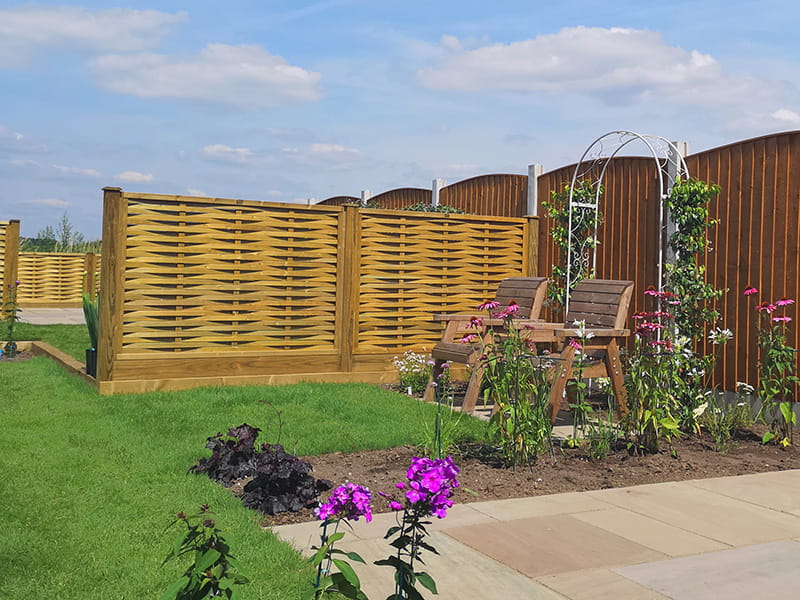
Strategic positioning
Standard fencing already blocks low angle sun in the morning or evening. However, positioning additional panels or screens can create more intentional shaded areas. For example:
- Installing a taller section of fencing along the sunniest boundary
- Adding slatted or louvre panels that filter sunlight without completely blocking airflow
- Positioning freestanding panels near seating areas to act as a sun shield
Slatted and decorative fence panels
Modern slatted fence panels are particularly effective during a heatwave. Rather than casting dense shade, they diffuse sunlight, reducing glare and heat while maintaining a light, airy feel.
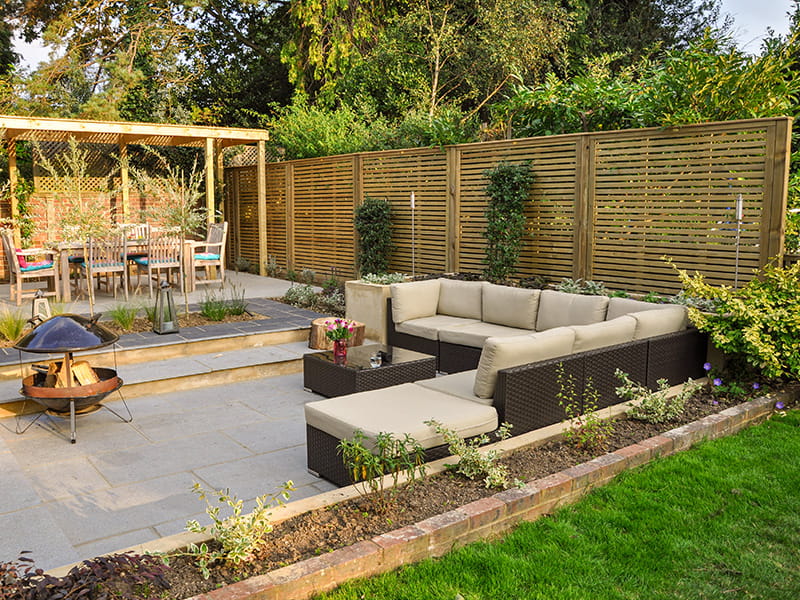
Combining fencing with planting
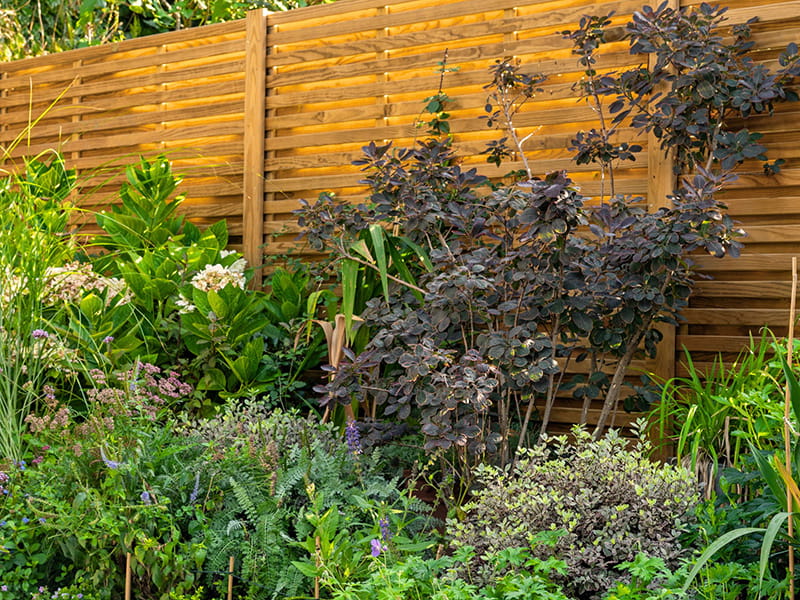
Fence panels become even more effective when paired with climbing plants like clematis or honeysuckle for lighter coverage, climbing roses for a structured look, or evergreen climbers for year round shade and screening.
This approach softens the look of fencing while enhancing natural cooling through plant cover.
Pergolas: versatile and visually impactful
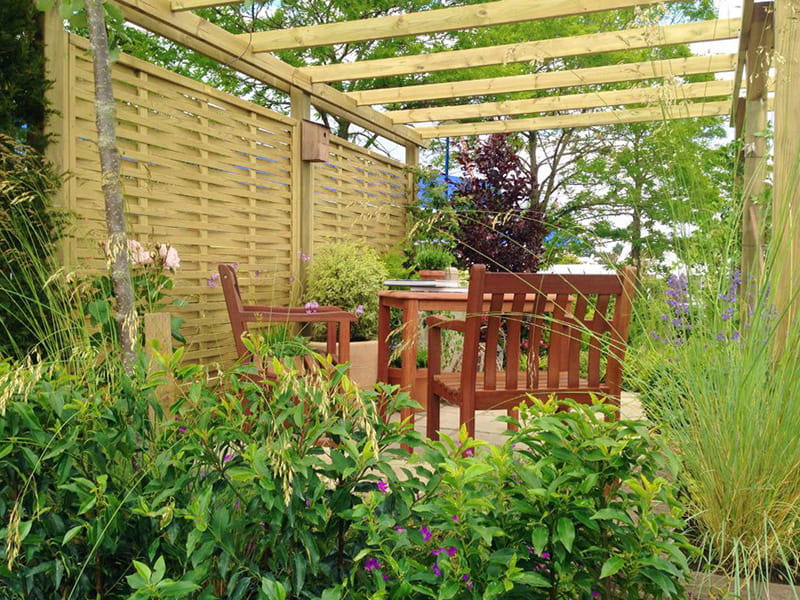
Pergolas are one of the most popular and flexible shade solutions for UK gardens. They offer structure without fully enclosing the space, making them ideal for heatwave conditions.
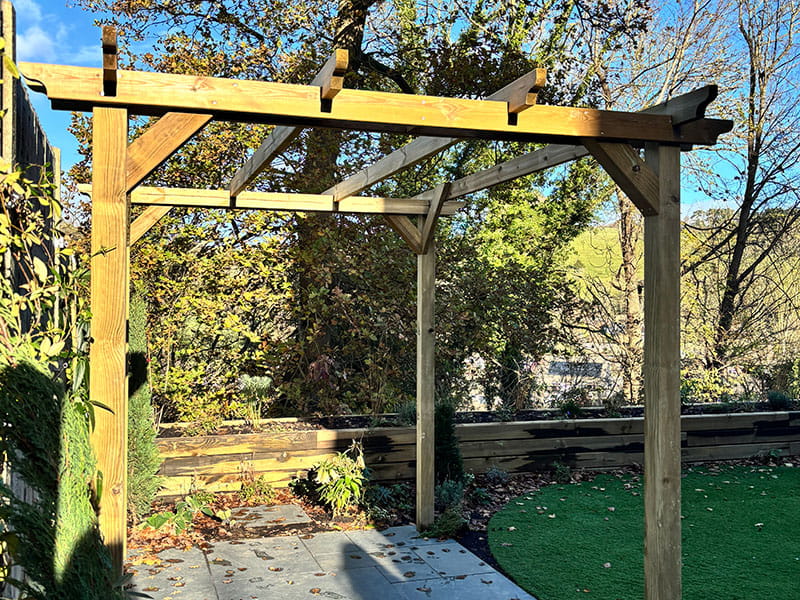
Open pergolas for filtered shade
A simple wooden pergola creates dappled shade by breaking up direct sunlight. On its own, it provides partial relief while maintaining airflow, which is especially useful on hot, still days.
Adding adjustable shade elements
To increase effectiveness, pergolas can be adapted with:
- Retractable canopies
- Shade sails
- Sliding fabric panels
This allows you to control the level of sun exposure throughout the day. For example, you might fully extend the canopy during midday heat and retract it in the evening.
Living pergolas
A growing trend in UK gardens is using climbing plants to create a natural canopy. Over time, plants such as wisteria or grapevine can form dense shade that cools the space more organically than fabric alone.
This approach works particularly well in larger gardens or where a softer, more traditional look is desired.
Zoning your garden
Pergolas also help define specific areas, such as outdoor dining spaces, lounge or seating area, and garden workspaces.
By creating a shaded focal point, you encourage more consistent use of your garden throughout a heatwave.
Retreat shelters: dedicated cooling spaces
For those looking to create a more enclosed and protective environment, retreat shelters offer a step up from pergolas in both coverage and comfort.
What is a retreat shelter?
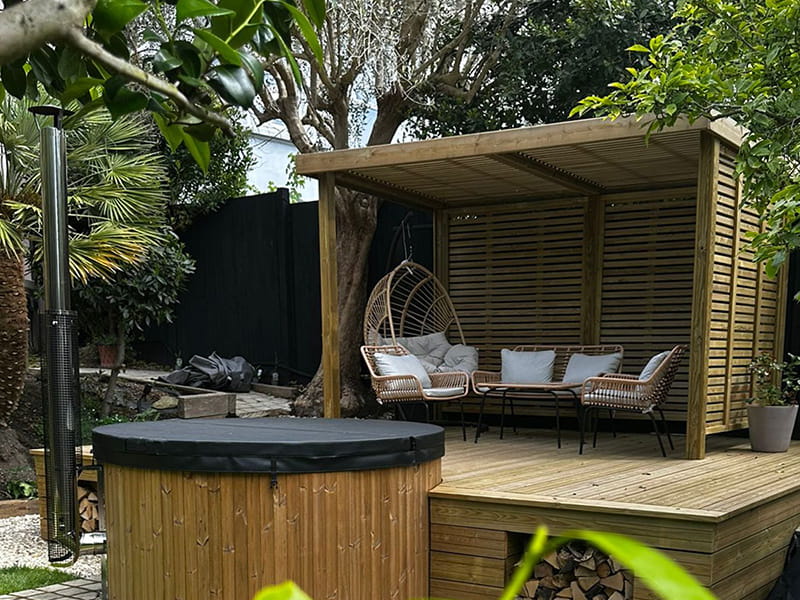
A retreat shelter is typically a semi-enclosed structure designed to provide full or near-full shade, increased privacy, and protection from both sun and light rain.
They can range from modern garden pods to timber structures with solid roofs and open sides.
Benefits during a heatwave
Unlike open structures, retreat shelters provide consistent protection from overhead sun, making them ideal for peak afternoon temperatures. They are especially useful for outdoor working setups, family seating areas, and garden rooms without full construction.
Design considerations
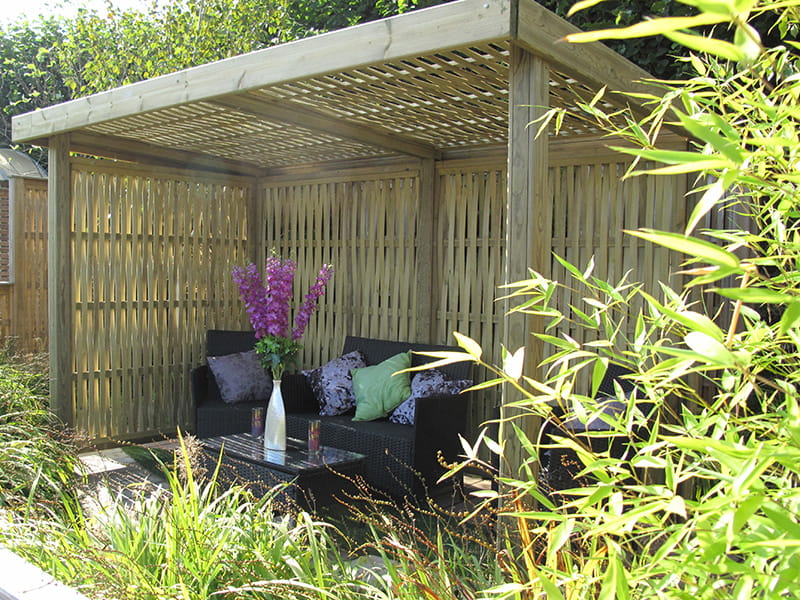
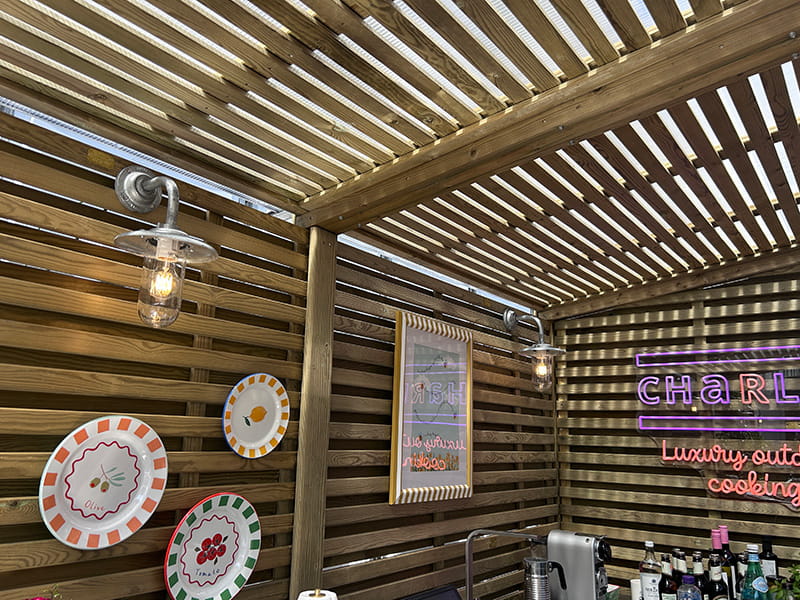
To keep the space comfortable, consider ventilation, materials, and roof type; a slatted or woven timber structure ensures airflow, with natural timber that reflects heat better than darker finishes. An additional polycarbonate roof covering allows light through while protecting the space from rain.
Multi-use functionality
A well designed shelter can extend beyond summer use. With the addition of lighting, soft furnishings, or even outdoor heating, it becomes a year-round feature rather than a seasonal fix.
Combining solutions for the best results
The most effective gardens rarely rely on a single shading method. Instead, they layer different elements to create a balanced and adaptable space.
For example:
- Use fence panels to block low sun and create privacy
- Install a pergola over your main seating area for flexible shade
- Add a retreat shelter for peak heat or dedicated relaxation
This layered approach ensures that there is always a comfortable place to sit, regardless of the time of day.
Practical tips for heatwave-ready gardens
To make the most of your shade solutions:
- Position seating where shade naturally falls during peak hours
- Use light-coloured paving or decking to reduce heat absorption
- Incorporate soft furnishings and outdoor rugs to make shaded areas more inviting
- Add water features or planting to enhance cooling effects
As UK heatwaves become more common, garden design needs to evolve. Shade is no longer a luxury, it is essential for making outdoor spaces usable and enjoyable.
By combining fence panels, pergolas, and retreat shelters, you can create a garden that not only looks great but performs in hot weather. The result is a flexible, comfortable environment that supports both relaxation and everyday living, even in the height of summer.
Related content
You may be interested in reading our advice on the best location for a pergola in your garden, or how you can increase protection from wind in your garden.

Elise is a part of the Jacksons residential marketing team, writing regular columns on gardening, garden design and everything that is garden fencing, gates and structures.