


27/07/2026 01:46 PM
What is a gravel board used for?
A gravel board is a wooden or concrete board usually around 140mm in height that slots under your fence panels and sits on top of the ground to help protect the fence from wet ground, insect attack and debris. Preventing the build up of moisture and therefore premature rotting of your fencing panels, gravel boards are intended to extend the lifespan of your fencing.
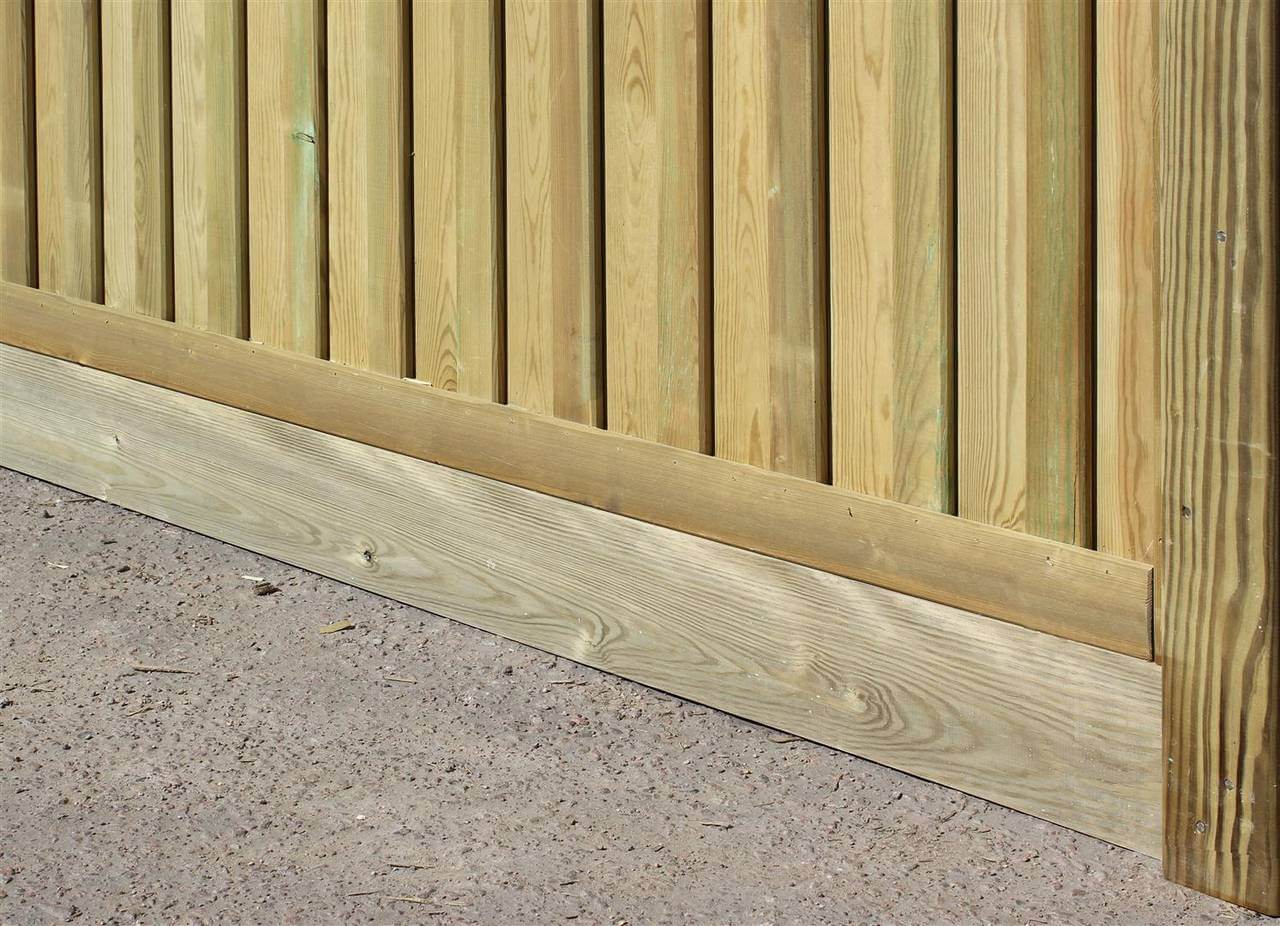
In addition to their practical purposes, gravel boards add further height and help to ensure that there are no breaks between your fencing and the ground, providing a neater overall finish and ensuring maximum privacy. Aesthetically they help your fence to appear cleaner, more orderly and hide unsightly gaps while moreover protecting the fence.
Are gravel boards essential?
While they come at an additional cost, by opting to install gravel boards you are opting to increase the durability and longevity of your fence panels, saving yourself time and money in the future.
Benefits of timber gravel boards
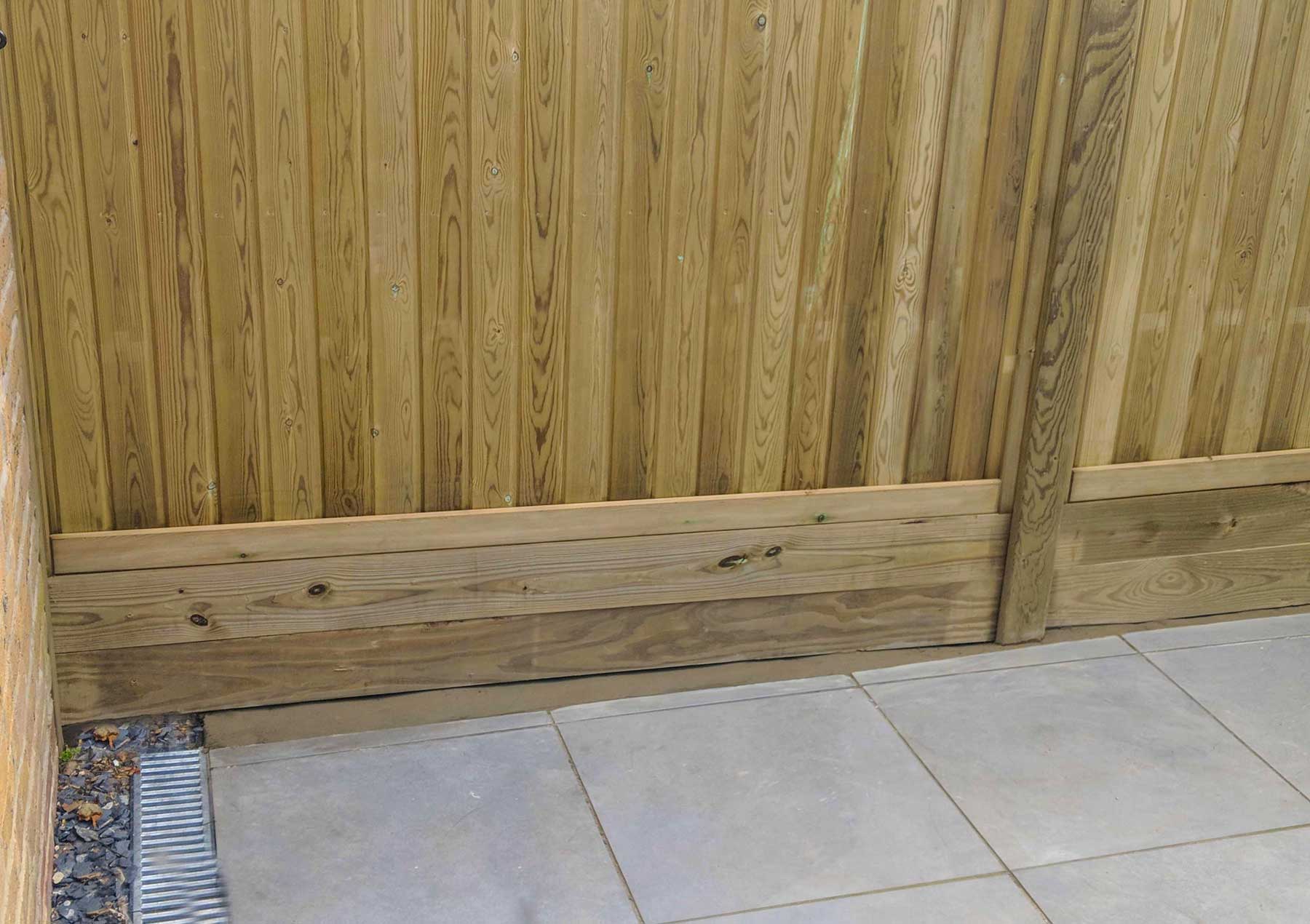
While they can be made from concrete or wood, there are several key benefits to choosing timber gravel boards. Made from a specialist species of timber, our gravel boards are designed to be more durable and with your unique needs in mind.
Key benefits of our timber range include
1. They provide a cost effective alternative to concrete gravel boards
2. Environmentally friendly
3. Provides a natural look which seamlessly matches the fencing
4. Versatile and adaptable to your taste
We also manufacture a hedgehog-friendly version of the timber gravel board which features an integrated hole, allowing wildlife to easily move between gardens. Your fencing can therefore also be deemed an investment in supporting wildlife, an option we introduced in response to diminishing hedgehog numbers across the UK.
Please note: Jacksons Fencing gravel boards need to be used when panels are in contact with the ground as part of the 25 year Jakcure® guarantee conditions.
How do you install a gravel board
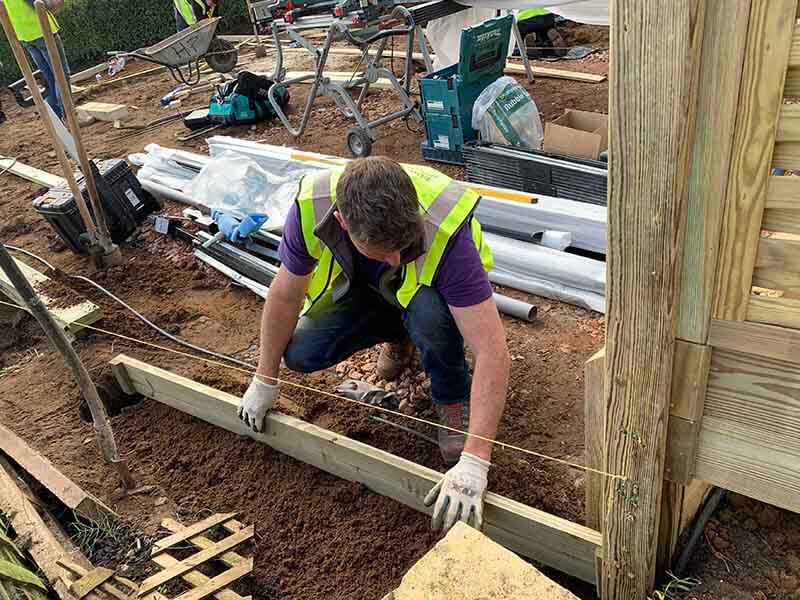
Timber gravel boards are installed to fence panels using cleats, i.e small blocks of wood. Their installation is fairly simple, with users first nailing the cleat to the fence at the required length from the face of the post before then nailing the gravel board onto the face of the cleat.
For more information about how to install fencing browse our installation instructions.
Common gravel board sizes and dimensions
Jacksons timber gravel boards for use with fence panels and slotted posts are 140mm high and 28mm thick, supplied in a 1.83m (6ft) board with two spacer blocks for use between slotted Jakposts®, and a 2.4m x 150mm x 25mm board for traditional featherboard runs. Each board adds roughly 140–150mm of height to your fence, which is worth allowing for when calculating overall fence height. As a rule of thumb, match one gravel board to each panel bay; a 1.83m wide panel needs one 1.83m gravel board. When combined with a 6ft (1.83m) high fence panel, our gravel boards create a fence that is 1.97m - just under the required 2m height limit.
Timber vs concrete gravel boards – which should you choose?
Both timber and concrete gravel boards do the same core job: keeping your fence panels off wet ground, but they behave very differently. Concrete boards are heavy, effectively maintenance free and won't rot, but they can look stark against a soft, planted garden and are awkward to handle fix into place. Timber gravel boards give a warmer, more natural finish that matches your posts and panels, and can be securely fixed into place. In addition, because ours are made from a specialist timber species treated with our Jakcure® process, they carry the same 25 year guarantee against rot and insect attack as the rest of the fence. For most residential gardens we recommend matching timber boards to timber posts for a seamless look; concrete boards suit heavily hard landscaped or high traffic boundaries.
Can a gravel board be used as a retaining wall?
A single gravel board can cope with a small step in ground level or hold back a shallow depth of soil or gravel, but it is not designed to act as a structural retaining wall. Gravel boards are there to protect the fence, not to resist significant lateral earth pressure. Where you need to retain more than around 100–150mm of soil, use a purpose-built retaining solution and install the fence and gravel board above it. If you're stepping a fence down a slope, add a board to each bay rather than relying on one board to hold a large height difference.
What is a gravel board also called?
You may see gravel boards referred to as fence base boards, kickboards, rot boards, or simply the board at the bottom of a fence. They all describe the same component: the board that sits between the ground and your fence panels to keep moisture, debris, and insects away from the panel. Whatever it's called, its role is the same; protecting the fence and extending its life.
Additional resources
What is a Hedgehog Gravel Board
What To Consider When Choosing A Fence
Save Money By Installing Pressure Treated Fencing
What is a Hedgehog Gravel Board