


20/02/2026 03:51 PM
Gardens in the UK offer a mix of sun, partial shade, and areas that stay cool throughout the day. By choosing the right plants and pairing them with the most suitable fence panels, trellis, or raised beds, you can make every part of your garden productive and beautiful.
This guide explores reliable plant combinations, ideal growing conditions, planting times and care advice, along with suggestions for the best type of garden structure to support each choice.
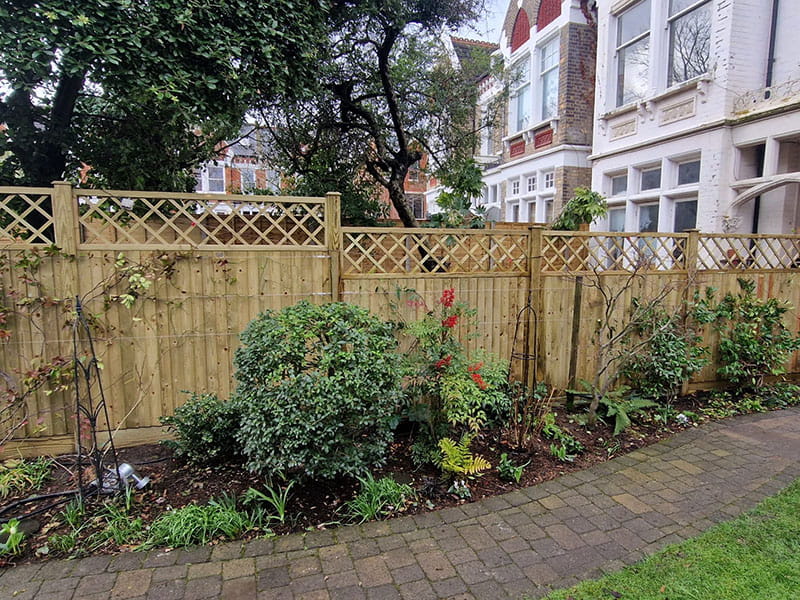
1. Clematis and Climbing Roses
Best for: South or west facing fences with 6 hours of sun or more
Recommended structure: Trellis panel on top of solid fencing
Why it works:
Clematis and roses are classic climbing partners. Clematis winds through the rose stems, adding colour at different times of the year.
Planting times:
• Bare root roses in November to March
• Clematis in spring or early autumn
Care:
• Tie stems to the trellis while plants establish
• Feed roses in spring with a balanced fertiliser
• Keep clematis roots cool with a layer of mulch
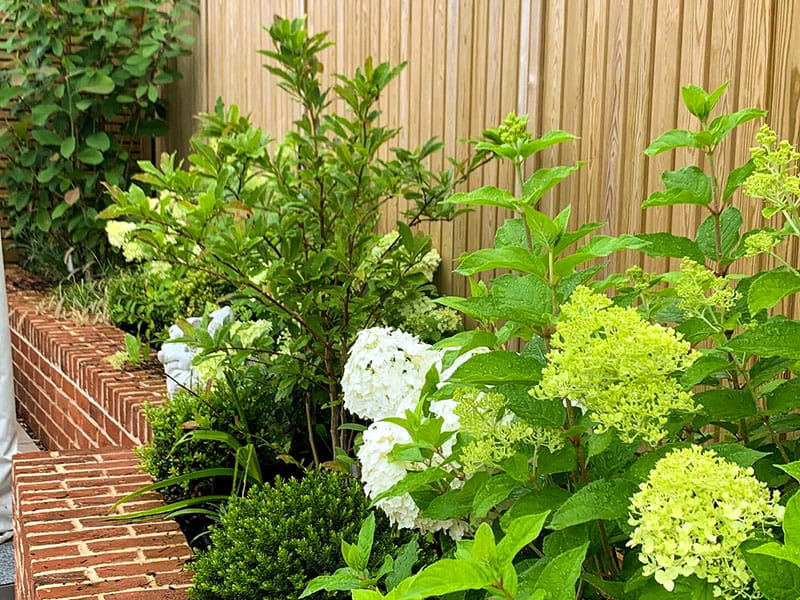
2. Hydrangea and Ferns
Best for: Shady or north facing areas
Recommended structure: Solid fence panel as a calm backdrop
Why it works:
Hydrangeas brighten shade with large blooms. Ferns fill the gaps with soft texture.
Planting times:
• Hydrangeas in spring or autumn
• Ferns at any time except during frost
Care:
• Keep soil moist
• Apply mulch yearly
• Prune hydrangeas based on the variety (macrophylla in late summer, paniculata in late winter)
3. Lavender, Salvia and Echinacea
Best for: Full sun, warm spots, front of borders
Recommended structure: Slatted fence panels for airflow and a Mediterranean feel
Why it works:
All three plants thrive in dry, sunny areas. Their flowers attract bees and butterflies.
Planting times:
• Most reliably planted in spring once the soil warms
Care:
• Avoid heavy watering
• Cut lavender lightly after flowering
• Deadhead salvia through summer to encourage repeat blooms
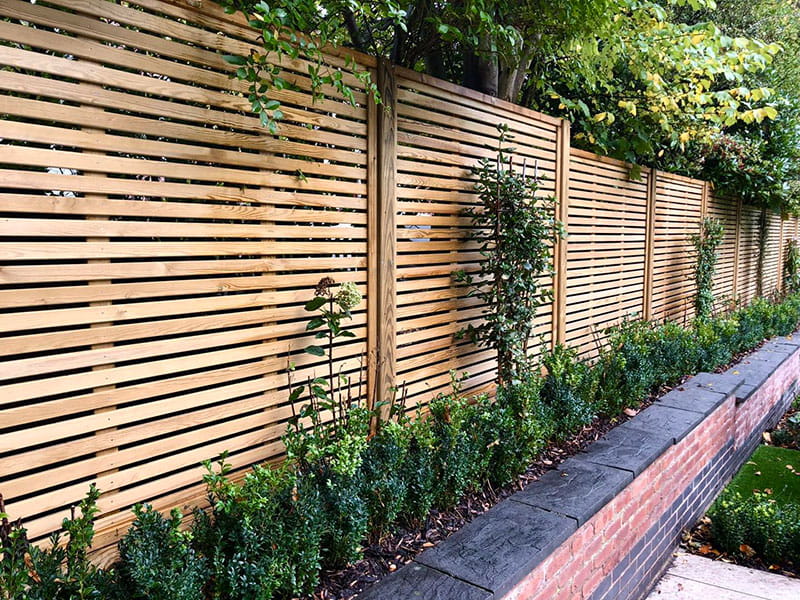
4. Box Hedge with Hostas
Best for: Partial shade and sheltered spaces
Recommended structure: Raised beds to lift the planting and help drainage
Why it works:
Box forms tidy structure and evergreen form. Hostas provide bold leaves beneath.
Planting times:
• Box hedging in autumn or spring
• Hostas in spring
Care:
• Watch for slugs near hostas
• Clip box hedging in summer
• Water raised beds more regularly than ground soil
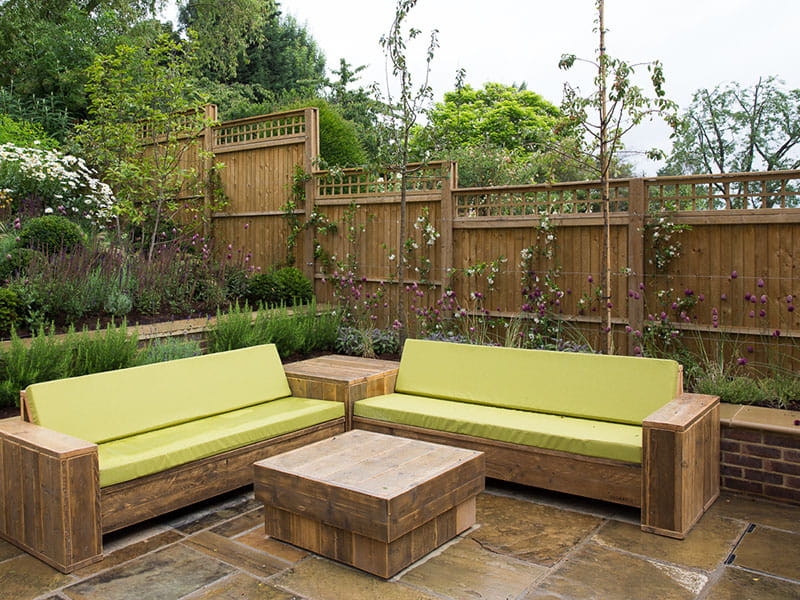
5. Honeysuckle with Evergreen Jasmine
Best for: Narrow side passages or shaded boundaries
Recommended structure: Trellis panels along long fence runs
Why it works:
Both climbers are scented and tolerate partial shade. They quickly cover boundaries.
Planting times:
• Spring or early autumn
Care:
• Train stems sideways on trellis for fuller coverage
• Lightly prune after flowering
• Water well until established
6. Verbena bonariensis with Ornamental Grasses (Stipa or Miscanthus)
Best for: Full sun and windy spots
Recommended structure: Slatted fencing that allows movement of air and light
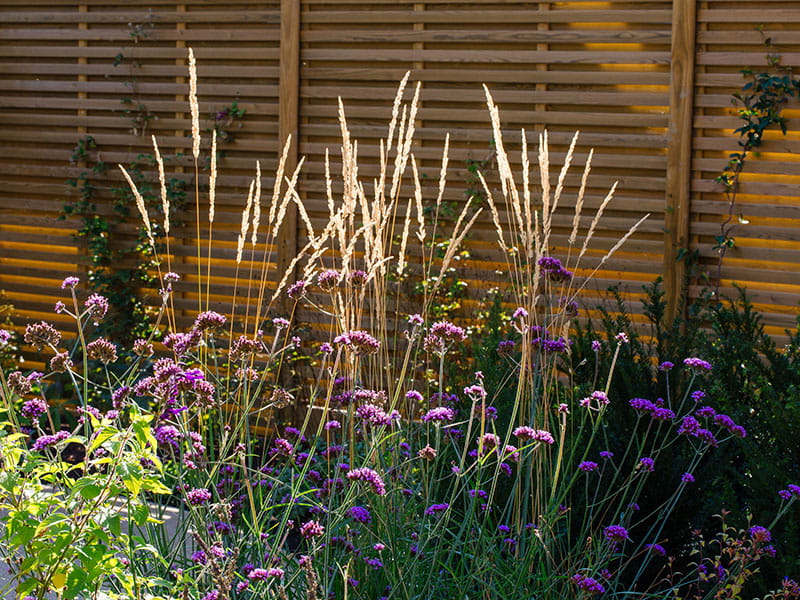
Why it works:
Tall verbena floats above grasses, creating naturalistic movement.
Planting times:
• Spring
Care:
• Cut grasses down in late winter
• Verbena self seeds readily so remove unwanted seedlings
7. Rhododendrons with Azaleas
Best for: Dappled shade and acidic soils
Recommended structure: Solid fence panel to block wind and create shelter
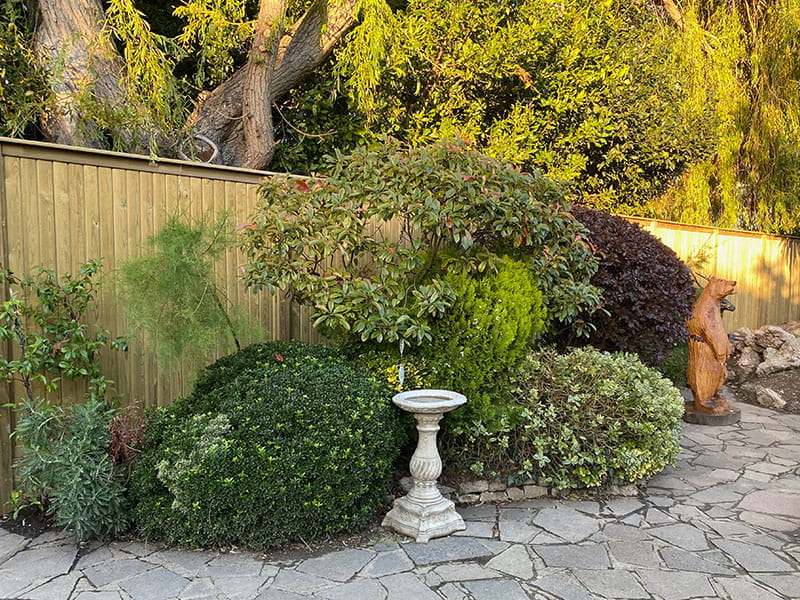
Why it works:
Both shrubs flower in spring and prefer the same soil and light.
Planting times:
• Early autumn or spring
Care:
• Use ericaceous compost
• Water with rainwater if possible
• Lightly deadhead flowers after they fade
Seasonal Planting Calendar
Spring (March to May)
• Lavender, salvia, echinacea, hostas, clematis in pots
• Plant raised beds with structural shrubs
• Begin mulching borders
Summer (June to August)
• Water new plants deeply once or twice weekly
• Deadhead and prune lightly
• Check trellis and fencing for climbing support
Autumn (September to November)
• Best time for shrubs and hedging
• Prepare beds for winter
• Plant clematis and hydrangeas
Winter (December to February)
• Prune roses (January)
• Protect delicate plants with mulch
• Install new fencing or trellis while plants are dormant
Choosing the Right Garden Structure
Solid Fence Panels
Perfect for shade gardens or shrubs that prefer shelter. They create a clean, neutral backdrop for foliage-heavy planting.
Slatted Fence Panels
Ideal for sunny borders and gardens that benefit from filtered light or increased airflow.
Trellis Panels
The best choice for climbers. They open the space visually and can be installed above a solid fence for extra height.
Raised Beds
Useful for areas with poor drainage and for plants that like specific soil conditions. They also create neat, defined layouts. Raised beds can be created from sleepers or landscape timbers like our traditional garden sleepers or Jakwall.
Related content:
You may also be interested in learning about the best climbing plants for fencing:
Best climbing plants for fencing
In this blog, we explore how stepping into a well designed garden can positively impact your mood, helping to create a space that encourages you to slow down and unwind.