


22/04/2026 11:00 AM
Find Your Perfect Pergola Position with These Practical Garden Tips
Garden pergolas can transform the way you enjoy your outdoor space. Whether you dream of a shaded dining area, a peaceful retreat, or a stylish feature that adds character to your space, choosing the right location is just as important as the design itself. The positioning of a pergola affects how often you use it, how comfortable it feels, and how well it fits into the overall flow of your garden.
Below, we explore where to put a pergola in your garden and the key questions to ask before making your decision.
Questions to Guide Your Pergola Planning
How Much Shade Do You Need?
One of the main reasons homeowners choose garden pergolas is to create some relief from direct sunlight. However, how effective they are at providing shade depends largely on where it sits.
Think about how the sun moves across your garden during the day. If you enjoy sitting outside in the evenings, a west facing position will help shield you from the low afternoon sun. Prefer enjoying breakfast or a quiet coffee in the morning? An east facing spot will capture gentle early light while remaining cooler later on.
Rather than placing your pergola randomly, consider when you are most likely to use it. Many people benefit most from shade during the middle and later parts of the day, when the sun is strongest. Positioning garden pergolas to intercept the sun at these peak times can dramatically improve comfort without blocking light all day long.
Also take account of existing shade, such as trees, fencing, or neighbouring buildings, as these can work together with your pergola to create a naturally cooler area.
How Will You Use Your Pergola?
The ideal location depends heavily on how you plan to use the space.
If you imagine lively outdoor meals, family gatherings, or entertaining guests, placing your pergola close to the house is often the most practical option. Being near the kitchen makes serving food and drinks easier, and the space can feel like an extension of your home, complete with dining furniture and lighting.
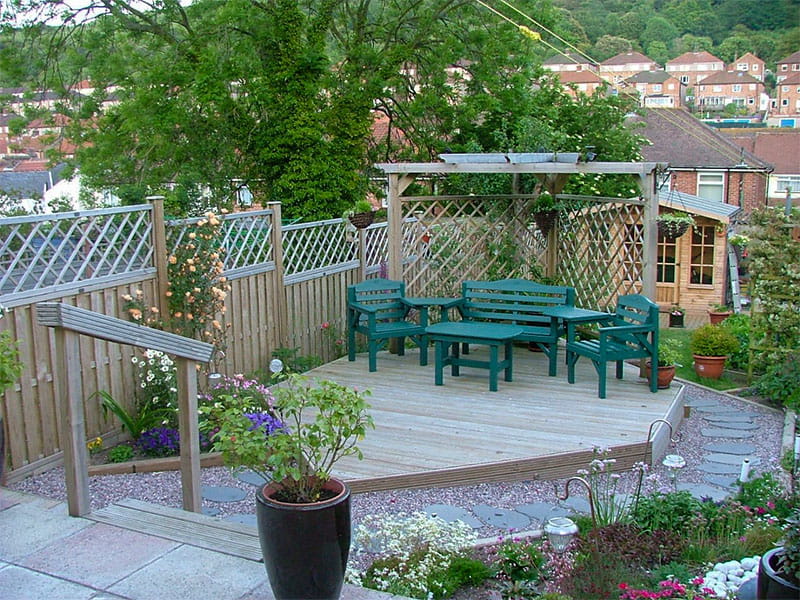
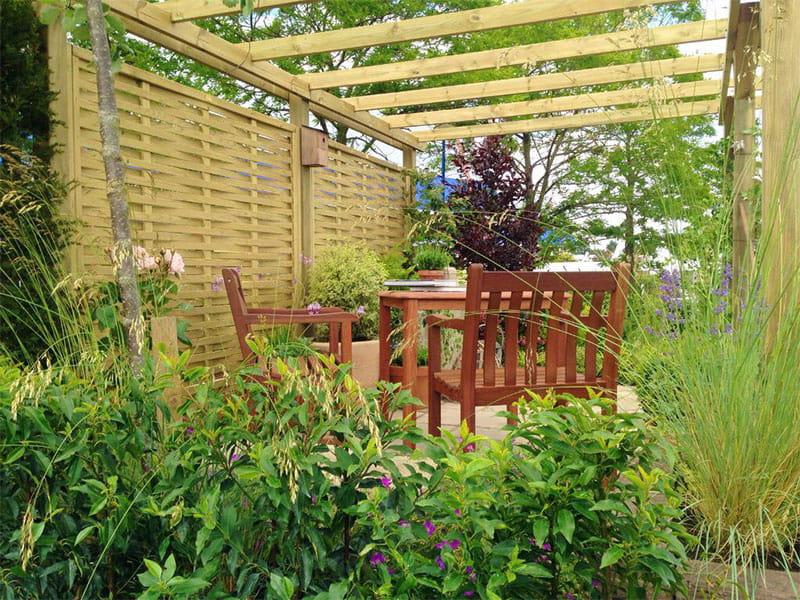
On the other hand, if relaxation is your goal, garden pergolas are often best placed at the far end of the garden. A more secluded position away from doors and pathways creates a sense of escape and calm. Surrounded by planting and greenery, they can provide a peaceful retreat for reading, enjoying quiet downtime, or unwinding after a long day.
There is no single right answer, but clarity about how you want to spend time in the space will guide you towards the most satisfying placement.
What Surface Will You Install It On?
Pergolas can be installed on a variety of surfaces, but each brings different benefits.
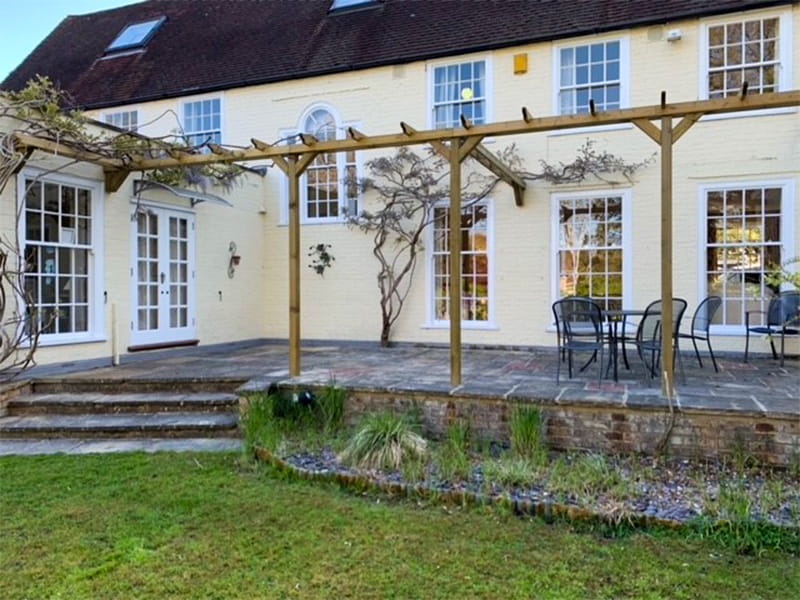
A patio is a popular choice, and solid paving provides excellent stability and creates a polished, social atmosphere ideal for dining and entertaining.
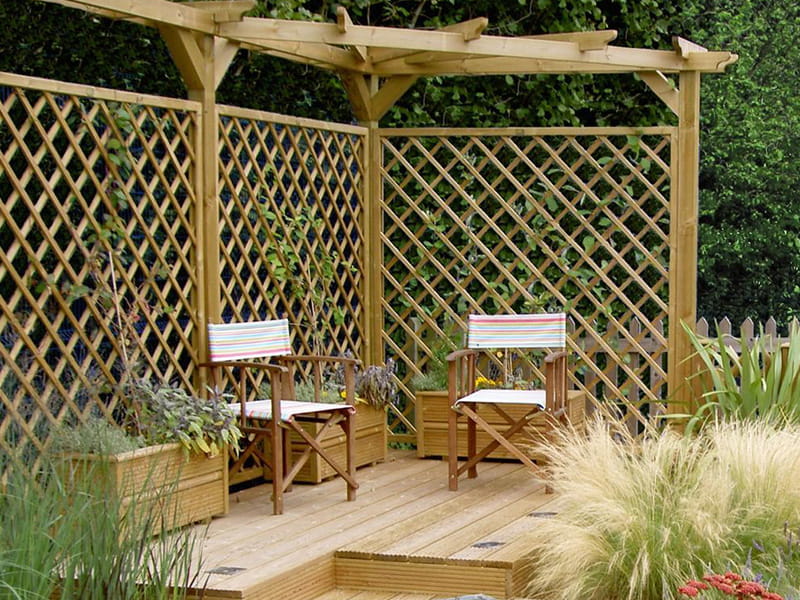
Decking is another excellent option, particularly for seating areas. Choosing quality timber decking with an anti slip surface improves safety and comfort, especially in wet British weather. Wooden decking can soften the look of a garden and creates a warm, inviting feel beneath a wooden pergola.
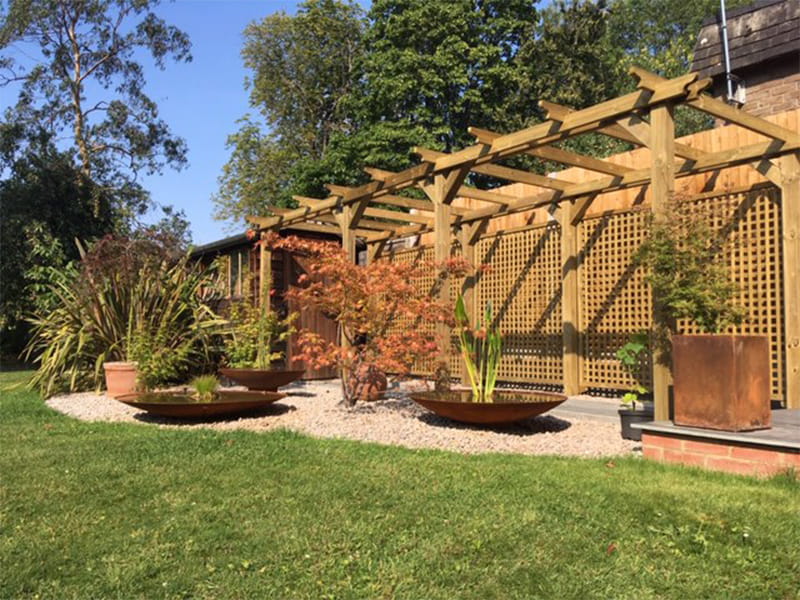
Installing directly onto lawn is also possible. This approach can look more organic and works well in informal or larger gardens where you want the pergola to feel nestled into the landscape.
How Does Your Garden Layout Influence Placement?
Every garden is unique, and the scale and shape of your space should strongly influence your decision.
In smaller gardens, an oversized pergola can feel overwhelming, so careful proportion is essential. Narrower spaces may benefit from taller garden pergolas, or single or corner pergolas to enhance the feeling of space.
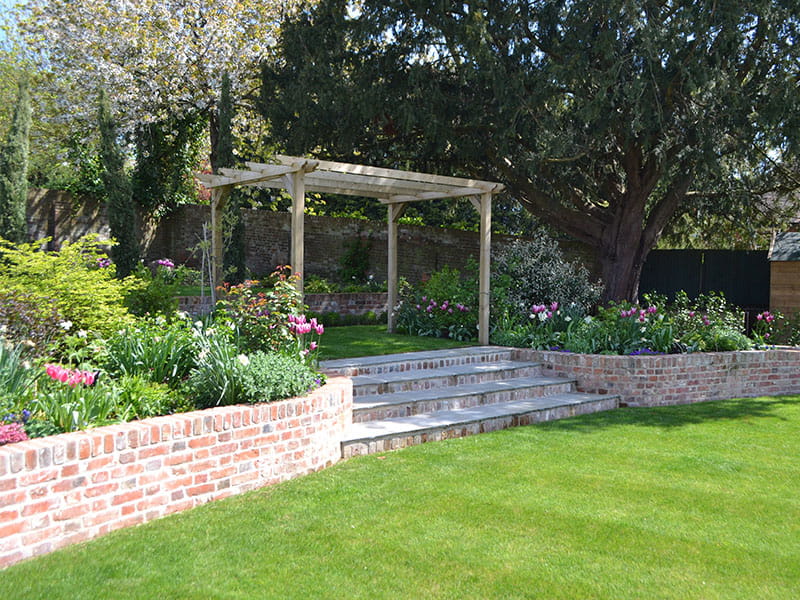
In larger gardens, a pergola can be used to divide the space into zones, such as dining, relaxation, and planting areas. Alternatively, it can be positioned to frame a beautiful view, whether that is open countryside, mature trees, or a carefully designed flower border.
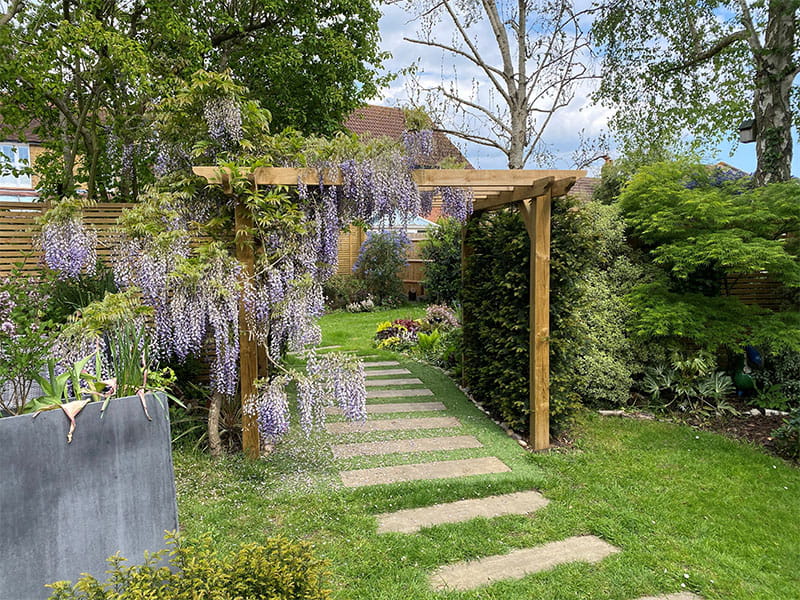
A pergola can become a striking focal point within the garden, bringing structure and purpose to the overall layout. Positioned along or over a pathway, it naturally guides movement through the space while adding architectural interest. When combined with climbing plants such as wisteria, jasmine, or honeysuckle, a garden pergola can form a beautifully shaded walkway that connects different areas of the garden and enhances its sense of flow.
What Are Your Future Garden Plans?
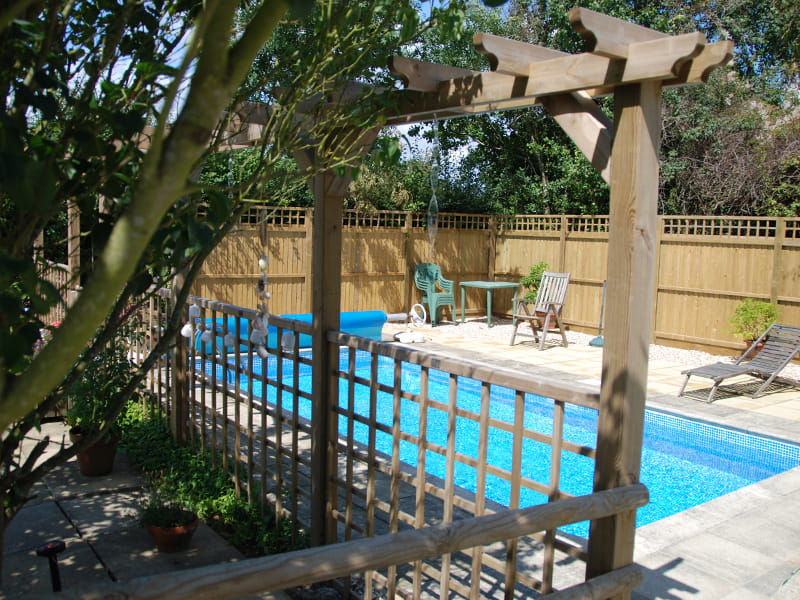
Before settling on a location, think ahead. Are you planning to add decking, redesign planting beds, or install a swimming pool in the future? Well placed garden pergolas should complement long term plans rather than restrict them.
House Proximity and Privacy Considerations
The relationship between your pergola and your home is a key design choice. When placed directly next to the house, a pergola creates a smooth transition from indoors to outdoors. This works beautifully for everyday living and entertaining alike.
Positioning the pergola slightly away from the house can turn it into a destination feature, while still keeping it within easy reach. For those seeking maximum privacy, a standalone pergola with a screen made from trellis or slatted fence panels at the back or side of the garden can feel wonderfully secluded.
Locating the structure near fences, hedges, or boundaries can also increase privacy and help break the wind, making the space more comfortable throughout the year.
Popular Garden Pergola Locations by Use
Some placements are especially popular:
- Dining and entertainment spaces, often over patios or decking near the house
- Relaxation sanctuaries in quiet corners, surrounded by planting
- Shade and shelter zones positioned to intercept strong afternoon sunlight
- Garden walkways, where climbing plants create a shaded passage
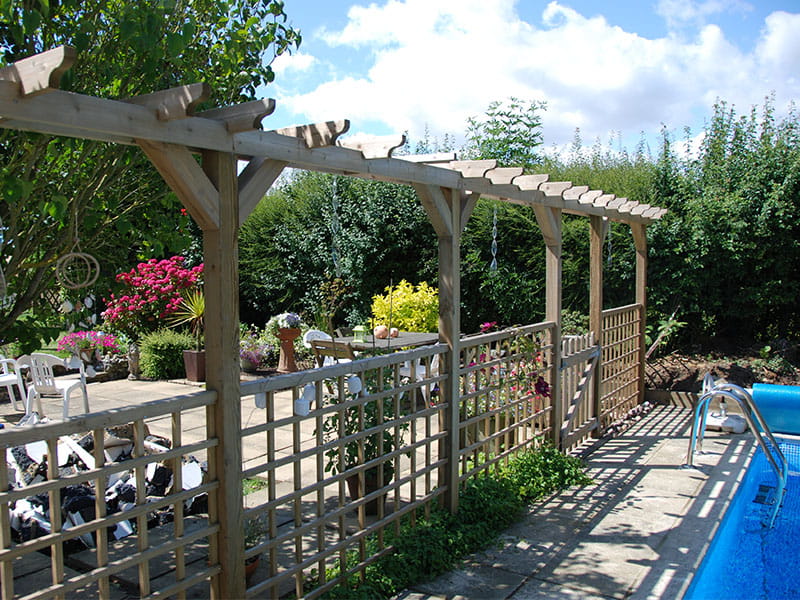
- Poolside areas, providing a balance of sun and shade for lounging
Each of these highlights how versatile garden pergolas can be when thoughtfully positioned.
Finding the Perfect Spot
Ultimately, the best location for garden pergolas is one that suits your lifestyle, garden layout, and future plans. By thinking carefully about sunlight, how the space will be used, surface type, and the overall character of your outdoor area, you can position garden pergolas so they feel natural, inviting, and genuinely useful.
Well positioned pergolas do more than add shade. They shape how you experience your garden and help turn outdoor space into a place you will enjoy season after season.
Related content:
Read our top tips on how to incorporate pergolas into your garden.
Choosing the right pergola depends on what you want to achieve. Read our blog for advice on which garden pergola to choose.
Choosing the Right Pergola for Your Garden: Single, Double, or Corner?
A modern garden design in by Kent-based Approved Installer Earthstone Landscapes, featuring a wooden pergola and sleepers, for a stylish, low maintenance space.
Modern Garden Design in Kent with a Wooden Pergola and Sleepers