


09/03/2026 10:30 AM
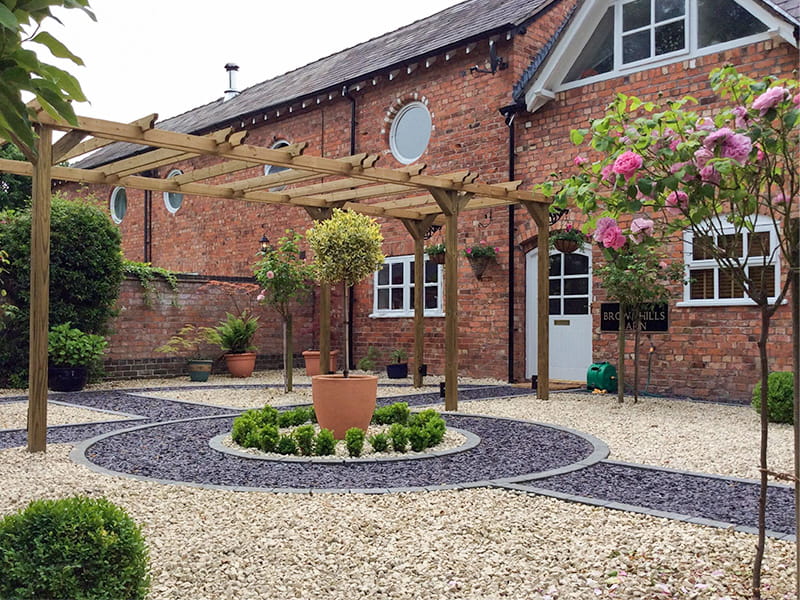
If you plan to install a wooden pergola at the front of your house, then yes, planning permission is required. There are also height limits depending on how close it is to your boundary. While most pergolas do not need permission, it is always sensible to check with your local council in case local restrictions apply. For the majority of homeowners, especially those installing pergolas in the back garden, these structures fall under permitted development.
What Counts as Permitted Development for Pergolas?
In the UK, pergolas are usually classed as permitted development, meaning you can build one without going through a formal planning process. This is one of the reasons pergolas have become so popular. They add character, shade, and structure to a garden without the hassle of a full planning application. However, permitted development does have clear rules, and your pergola must meet them to remain compliant.
Key Rules to Follow for Garden Pergolas
To qualify under permitted development, pergolas must stay within certain limits.
Height:
- Up to 2.5 metres high if placed within 2 metres of a boundary.
- Up to 3 metres high if placed more than 2 metres from any boundary.
- Up to 4 metres for a pitched roof design when well away from boundaries.
Position:
- The pergola must not sit in front of the main elevation facing the road.
- It cannot be built on a raised platform, balcony, or veranda (over 0.3 m high).
Overall garden coverage:
- All outbuildings combined, including the pergola, must cover no more than half the land around the original house.
Special locations:
If you live in a Conservation Area, National Park, Area of Outstanding Natural Beauty, or own a Listed Building, the rules become tighter. In these areas, even smaller structures may require permission and it is important to check with your council before going ahead.
When Planning Permission for a Pergola Might Be Required
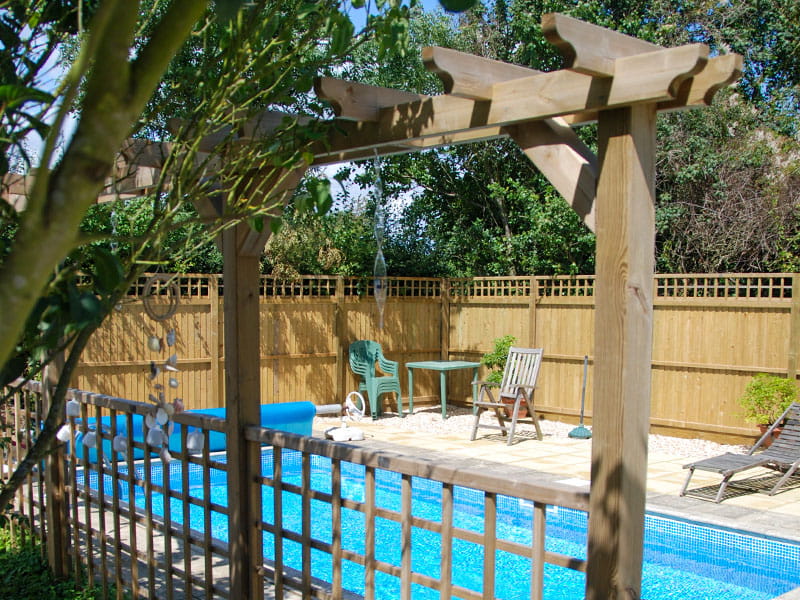
Although it is rare, some pergola projects do need planning approval. Before you build, think about how your design could affect your neighbours. Would it block light or interrupt a view? A pergola that causes a noticeable impact is more likely to attract complaints and prompt council involvement.
Ask yourself:
- Will the pergola cover more than half your garden?
- Is it positioned at the front or on the side of your home?
- Do you live in a conservation area or listed property?
- Is it being built on a raised deck or balcony?
If the answer to any of these is yes, seek guidance from your local planning authority.
Understanding Height Restrictions
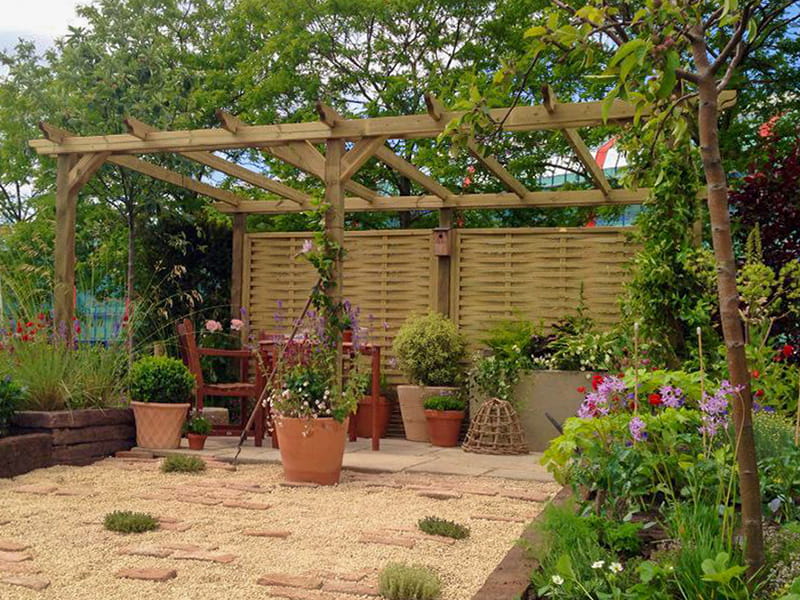
Height is one of the most common stumbling blocks. The closer your pergola is to the boundary, the stricter the limit becomes. A pergola within 2 metres of the boundary cannot exceed 2.5 metres in height. If it is placed further away, you have slightly more flexibility.
Most standard wooden pergolas are around 2.4 metres tall, meaning they comfortably fit within these restrictions. Just remember to factor in the extra height of any decking or platform beneath the structure.
How Permitted Development Works for Pergolas
Permitted development rights allow homeowners to make certain changes or additions without planning permission. Pergolas fall into this category when they meet the criteria, which saves both time and money. Under these rules you can install a pergola as long as it:
- Does not take up more than half of the land around the house
- Is not higher than four metres, or three metres when close to a boundary
- Is not placed at the front of the property
- Is not built on a raised surface
In some protected areas, these rights are reduced or removed entirely. Flats and maisonettes also do not benefit from the same rights, so planning permission is often required for those homes.
Special Considerations for Listed Buildings and Conservation Areas
If you live in a conservation area or own a listed property, you may face additional restrictions. Councils in these locations aim to preserve historic or architectural character, which means even modest garden structures could need approval. This does not prevent you from installing a pergola, but it does mean you may need to follow a more formal process.
Freestanding or Attached: Does It Make a Difference?
Freestanding pergolas are usually the easiest to install without planning permission. Pergolas attached to the house can still be permitted, but councils often look more closely at their placement and height because they have a greater effect on the appearance of the home. If you are considering an attached design, it is wise to double check before building.
Why Pergolas Remain a Popular Garden Choice
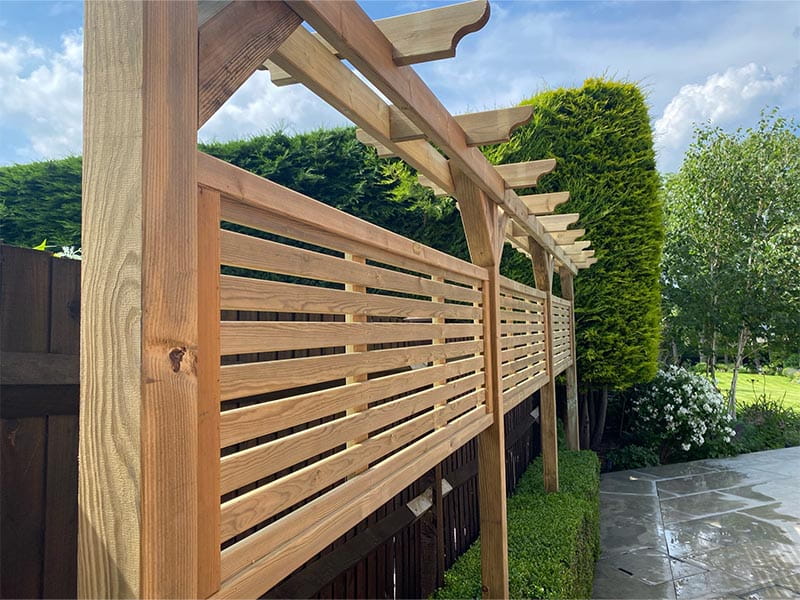
Pergolas remain a favourite for homeowners because they offer a simple way to enhance outdoor living space. High quality wooden pergolas made from kiln dried, pressure treated softwood can transform a garden and improve the lifetime value of your garden design, as well as providing shade, structure, and a place to relax without the complexity of building an extension. Their compatibility with permitted development rules makes them an attractive, low stress project.
Always Check Before You Build
While most pergolas do not require planning permission, every property is different. Local councils may interpret rules slightly differently, so it is always worth asking if you are unsure. A quick check can save time, prevent planning breaches and ensure your new pergola is installed smoothly.
Crafted from superior quality Jakcure® treated softwood and guaranteed for 25 years, our pergola kits are designed to suit a wide variety of gardens and purposes:
Related content:

This is the summary