


13/07/2026 09:00 AM
When planning improvements to your garden, it's easy to confuse a pagoda with a pergola. Both are attractive outdoor structures that can create a focal point and enhance your landscaping, but they differ significantly in their purpose, design, and heritage.
Whether you're looking for a practical area for outdoor living or a decorative feature inspired by traditional architecture, here's everything you need to know.
What is a Pergola?
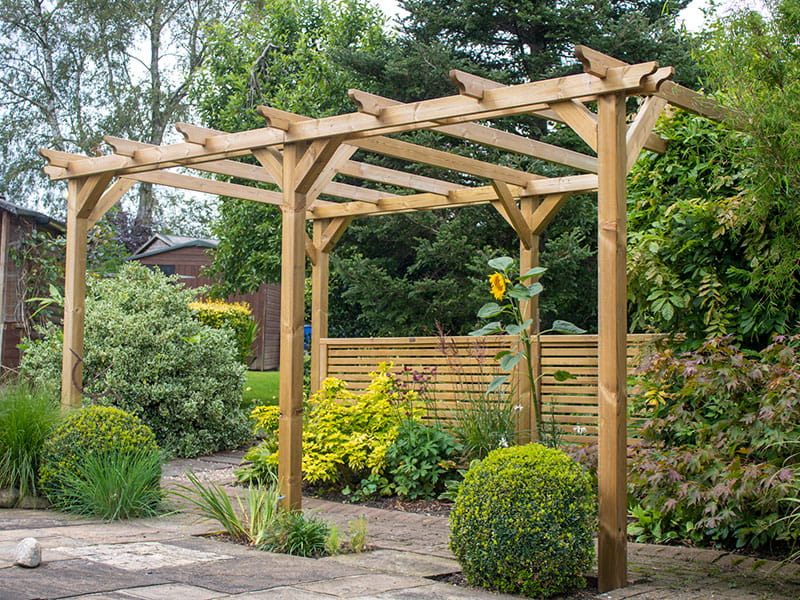
A pergola is an outdoor framework typically made up of vertical posts supporting beams, often with an open roof structure. Unlike a fully enclosed shelter, a pergola is designed to provide partial shade while maintaining an open and airy feel.
A pergola does not have a solid roof that completely protects against rain or direct sunlight. Instead, its open design allows sunlight to filter through, making it ideal for creating comfortable outdoor living areas, covered walkways, patios, or garden seating spaces.
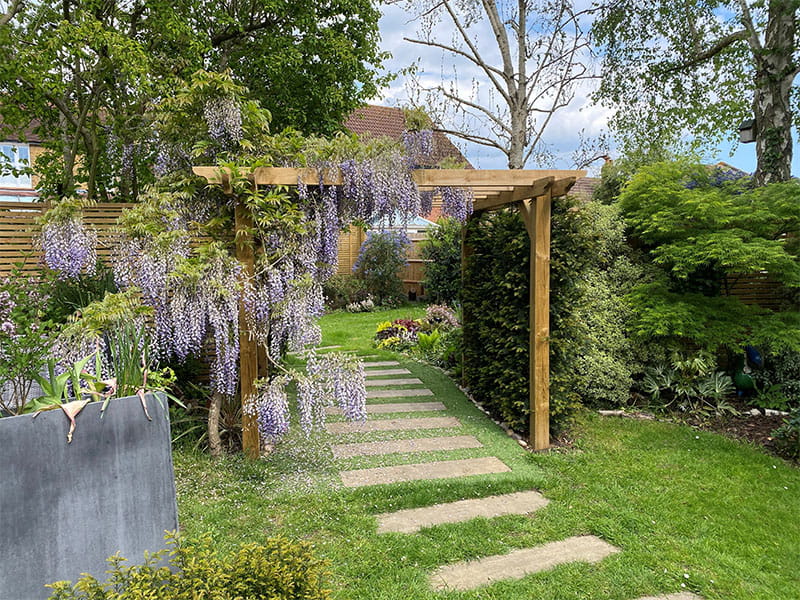
Many homeowners choose to enhance their pergola with climbing plants such as wisteria, jasmine, or roses, creating a natural canopy that provides additional shade and visual interest.
Modern pergolas have also evolved to include a range of practical features, making them far more than just a decorative structure.
What is a Pagoda?
A pagoda is a highly ornate, multi-tiered tower rooted in traditional Asian architecture, primarily serving as a cultural monument or decorative landmark.
Traditional pagodas originate from Southeast and East Asia, particularly China, Japan, Thailand, Korea, Nepal, and Vietnam. Historically, many pagodas were built as Buddhist temples, shrines, or monuments and were used for meditation, prayer, and spiritual reflection.

An authentic pagoda is instantly recognisable thanks to its distinctive tiered structure, sweeping roofs and upward-curving eaves. These elegant buildings often feature detailed decorative elements and strong cultural symbolism.
In modern gardens, pagodas have been adapted into smaller structures that capture the style and character of traditional Asian architecture. Garden pagodas are typically roofed frameworks supported by columns or pillars that create an attractive focal point within a landscape.
Thanks to the growing popularity of Japanese-inspired gardens and Zen garden design, pagodas have become an increasingly common feature in British gardens, adding a sense of tranquillity and Eastern-inspired elegance.
Pergola vs Pagoda: Function
One of the most important differences between a pagoda and a pergola is their primary function.
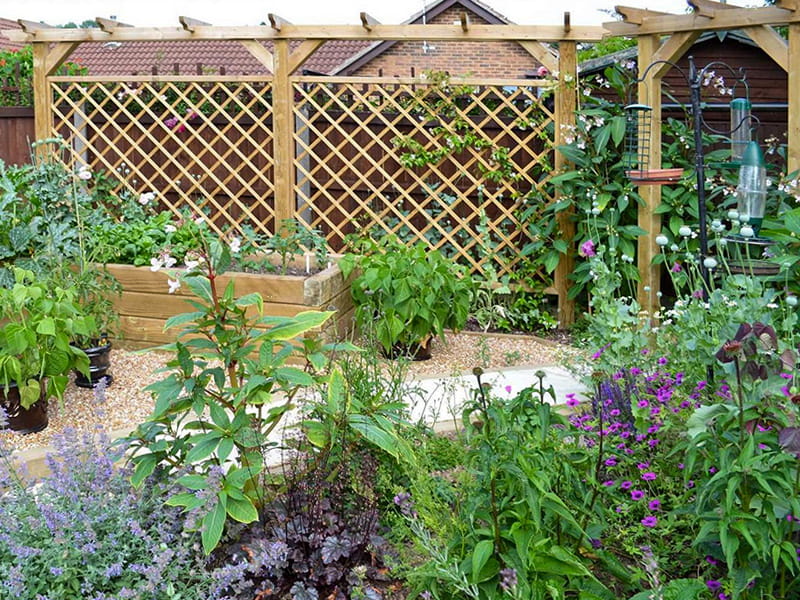
A pergola is designed with practicality in mind. It creates a semi-shaded outdoor living area where homeowners can relax, dine, entertain guests or enjoy their garden. Pergolas are also commonly used to define pathways and walkways, providing structure and visual interest. They are highly customisable thanks to their simple design, making them more universal.
A pagoda, by contrast, is more ornamental. Traditional pagodas were intended for meditation, prayer, and cultural significance. Even modern garden pagodas are often chosen for their architectural beauty and ability to create a striking focal point rather than for everyday outdoor living.
If your goal is to create a usable garden retreat or outdoor entertaining space, a pergola is typically the more functional choice.
Pergola vs Pagoda: Design
A pergola typically features vertical posts or columns supporting exposed beams and an open or slatted roof, often providing space for climbing plants and decorative features. Its open design creates a light, airy structure that blends seamlessly into the garden.
In contrast, a pagoda is characterised by its distinctive tiered roofs, upward-curving eaves, and ornate detailing. While traditional pagodas often take the form of multi-storey towers, garden pagodas are usually simplified versions that retain the elegant architectural style and visual appeal of their Asian-inspired origins.
Pergola vs Pagoda: The Origins
The history of these structures reflects their very different purposes.
The pergola dates back to ancient Rome and Greece, where similar structures were used to support climbing plants and provide shade in courtyards and gardens. Over the centuries, pergolas became a popular feature in European landscape design and remain a staple of modern outdoor spaces today.
Pagodas, meanwhile, have their roots in Southeast and East Asia. Evolving from ancient religious monuments and temples, they became important landmarks throughout countries such as China, Japan, and Thailand. Their architectural style has remained highly distinctive and continues to inspire modern garden design across the world.
Pergola vs Pagoda: Customisation
Modern pergola designs offer significant flexibility, making them an excellent option for homeowners looking to personalise their outdoor space.
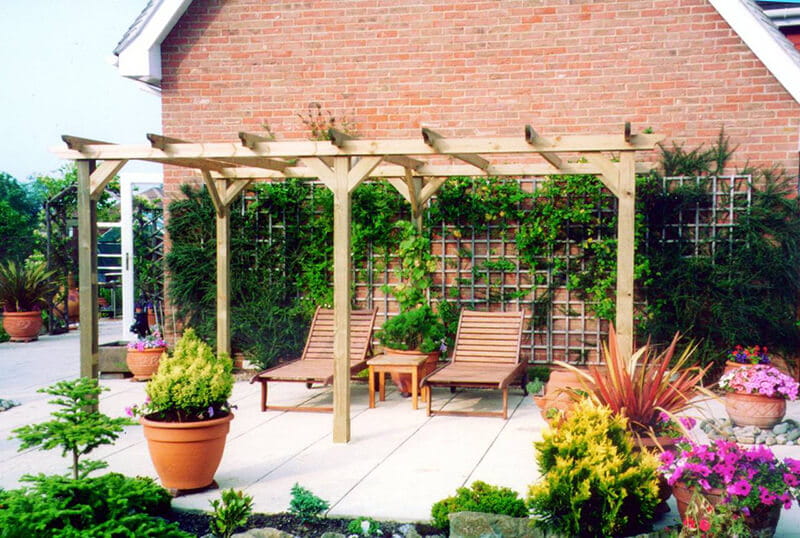
Pergolas can often be customised with LED lighting or fairy lights, privacy panels or decorative screens, as well as climbing plants and trellis. Available in a variety of sizes, pergolas can be configured and extended to suit both compact and larger outdoor spaces. Try our pergola calculator to see if a pergola would fit in your garden. These features can help extend the usability of a pergola throughout the year and transform it into a true extension of the home.
Pagodas are generally less adaptable. Their design is often deeply connected to traditional architectural styles and historical symbolism. While garden pagodas come in different sizes and materials, they are typically permanent, static structures designed to maintain their classic appearance.
Choosing the Right Pergola for Your Garden
If you've decided a pergola is the right addition to your garden, it's important to choose a design that complements both your space and lifestyle.
Single Pergola
A single pergola is ideal for smaller gardens, patios, or seating areas or for dividing a garden by a screen. It creates a defined outdoor space without overwhelming the surrounding landscape.
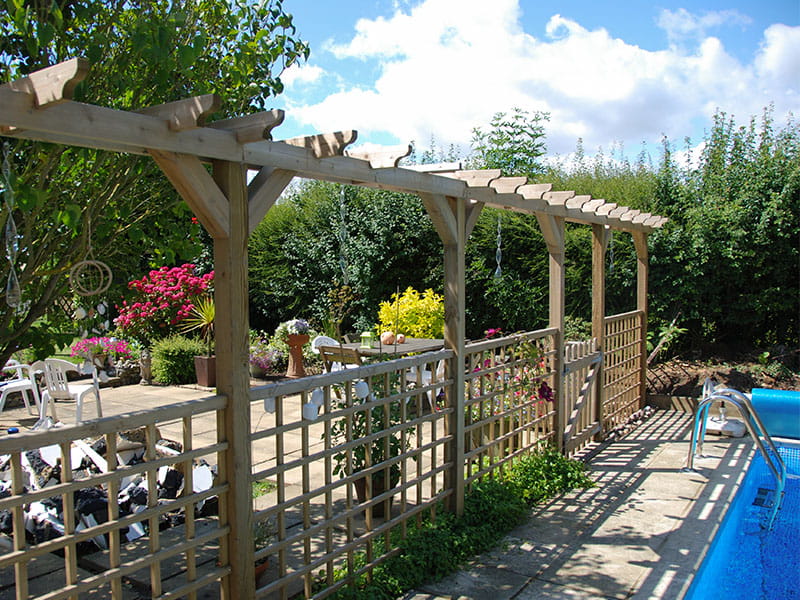
Double Pergola
A double pergola offers additional width and coverage, making it perfect for larger patios, outdoor dining spaces, and entertaining areas.
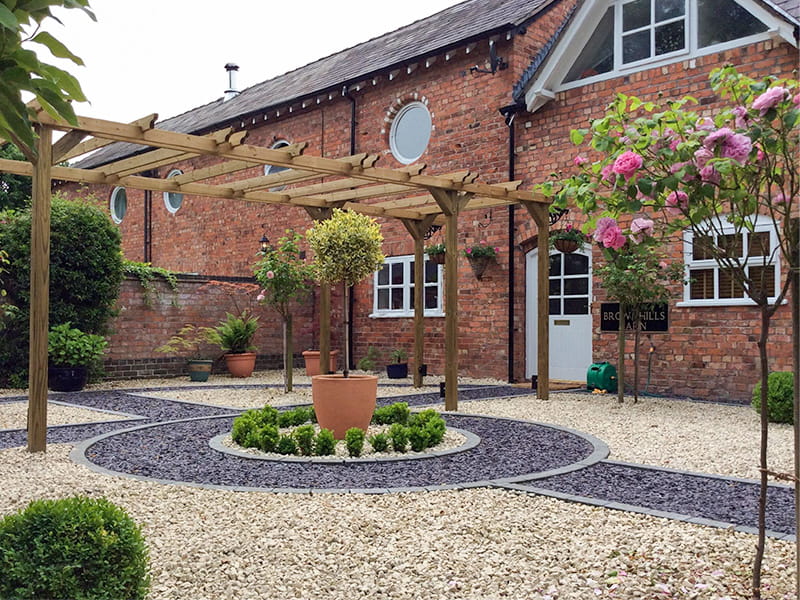
Corner Pergola
A corner pergola is designed to maximise unused areas of the garden. It can transform an overlooked corner into a cosy, functional retreat while making the most of available space.

If you're considering adding a pergola to your garden, think carefully about the size, style and location that will best suit your needs. Positioning your pergola correctly can help you maximise sunshine, shade and overall enjoyment of your outdoor space.
For more guidance, explore our advice on choosing the right pergola for your garden and finding the best location to install a pergola.
Our friendly team are always happy to help you find the perfect solution for your outdoor space.
Related content
What Is the Best Location to Install a Pergola?

Alice is a part of the Jacksons residential marketing team, writing regular columns on gardening, garden design and everything that is garden fencing, gates and structures.