


12/06/2026 09:48 AM
Creating a garden retreat is about more than just improving your outdoor space. It is about designing a place that encourages you to slow down, unwind, and reconnect, whether that is with nature, family, or simply yourself. With thoughtful planning and the right features, your garden can become an extension of your home that supports relaxation, entertaining, hobbies, and wellbeing all year round.
Below, we explore five inspiring ways to transform your garden into a true retreat, based on versatile garden shelter setups that cater to different lifestyles and needs.
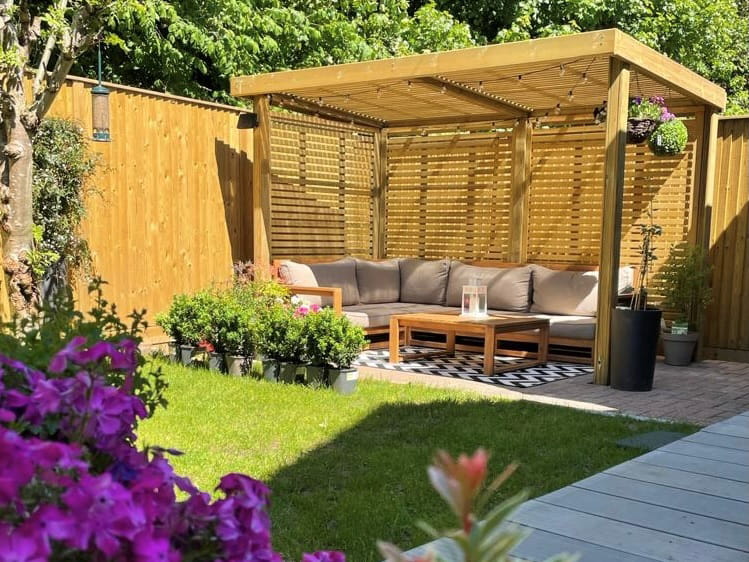
1. Add a large corner sofa
A large corner sofa instantly sets the tone for comfort and relaxation. This type of setup creates a natural focal point within your garden shelter, encouraging people to sit back and spend time together. The generous seating allows for both social gatherings and quiet moments alone, making it ideal for a flexible retreat space.
Positioning a corner sofa within an open fronted garden shelter protects it from the elements while keeping views of the garden clear. Soft furnishings such as outdoor cushions and throws can help to create a cosy, inviting atmosphere that mirrors your indoor living space. Neutral tones keep the look calm and timeless, while subtle accents can bring in character without overwhelming the space.
To elevate this area further, consider adding a low coffee table, soft lighting or even an outdoor rug. These finishing touches help define the zone and make it feel like a true outdoor lounge. Whether it is used for morning coffee, evening drinks, or simply reading a book, this type of seating arrangement forms the heart of a relaxing garden retreat.
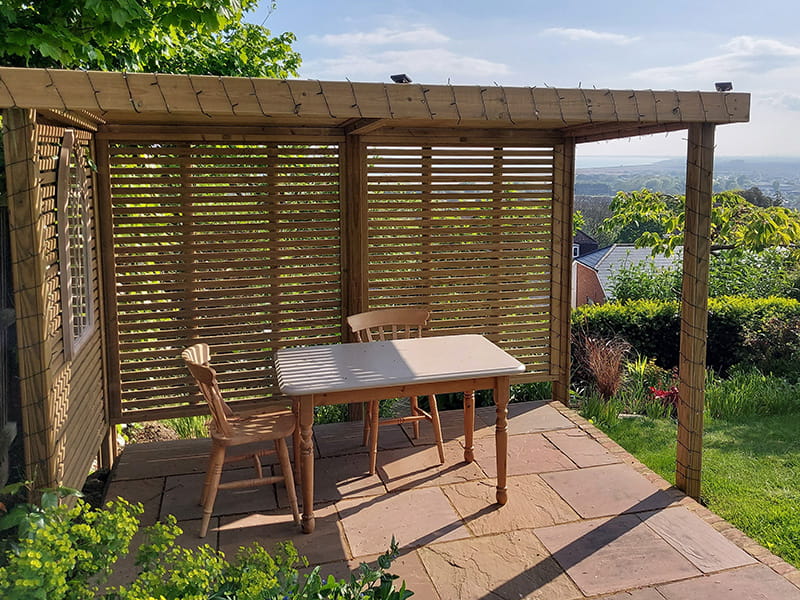
2. Add a dining table
Introducing a dining table into your garden shelter opens up endless possibilities for outdoor living. It transforms your space into somewhere that can host family meals, celebrations, and casual gatherings with ease. Outdoor dining encourages people to spend more time outside, making the most of warmer months while still being protected by the shelter above.
A well chosen dining table should suit both the size of your garden and the number of people you typically host. A solid wood or weather resistant composite table provides durability while maintaining a natural aesthetic that complements the garden surroundings.
Lighting plays a key role in this setup. Hanging lights, lanterns, or subtle integrated lighting can create a warm ambience that allows the space to be used long into the evening. Pairing the dining area with nearby planting or screening can also enhance the sense of privacy and retreat.
This space can easily become multifunctional. The practical table addition also doubles up as a desk for a flexible outdoor office space. During the day it may serve as a workspace or family hub, while in the evening it transitions into a dining area or social setting. Versatility is what makes this feature so valuable within a garden retreat.
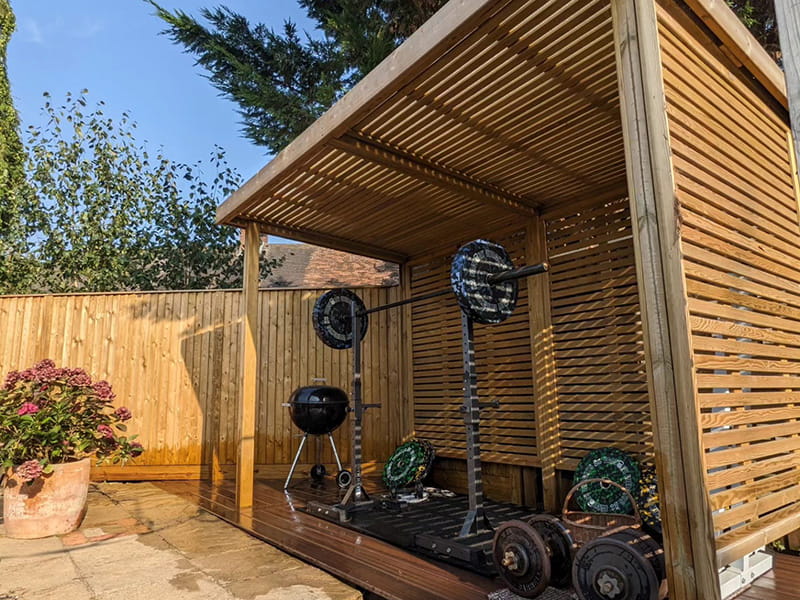
3. Create an outdoor gym
For those looking to prioritise health and wellbeing, an outdoor gym is a powerful addition to a garden retreat. Incorporating fitness equipment within a sheltered space allows you to exercise comfortably and privately while benefiting from fresh air and a connection to nature.
An outdoor gym does not need to be overly complex. Simple, functional equipment such as weights, resistance bands, or a compact cardio machine can create an effective workout area. The shelter provides protection for both the equipment and the user, making it practical throughout the year.
Positioning is important. Ideally, the gym area should feel separate from more relaxing zones, helping maintain a sense of purpose for each space. However, it should still feel integrated within the overall garden design. Natural materials, greenery, and open views can soften the look, ensuring the space remains welcoming rather than overly clinical.
This type of retreat setup supports both physical and mental wellbeing. Exercising outdoors can feel less restrictive than indoor workouts, helping to reduce stress and improve motivation. Over time, it becomes a space that supports healthy habits in a way that feels enjoyable and sustainable.
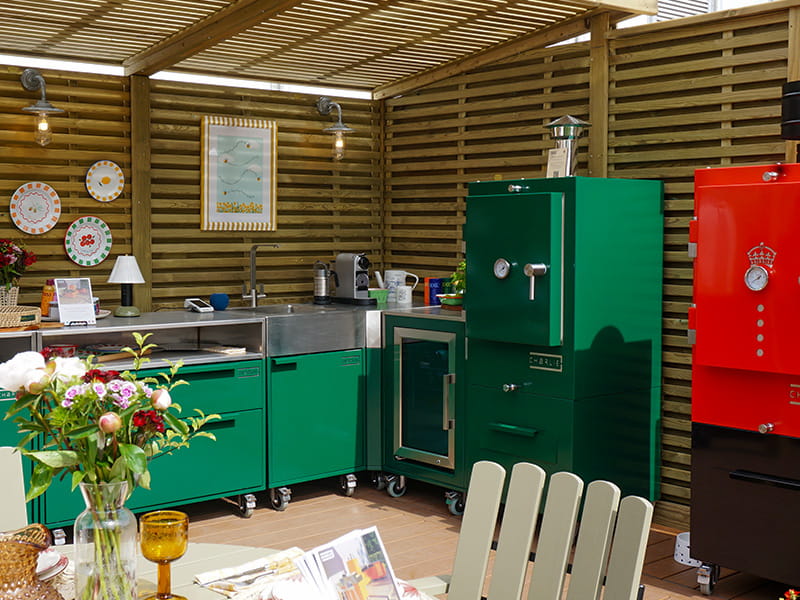
4. Install an outdoor kitchen
An outdoor kitchen brings a sense of luxury and practicality to your garden retreat. It turns your outdoor space into a true extension of your home, allowing you to cook, dine, and entertain without needing to move back and forth between indoors and outdoors.
A well designed outdoor kitchen can include anything from a simple barbecue station to a fully equipped setup with worktops, storage, and appliances. Placing it within a shelter ensures it remains usable regardless of the weather and helps protect the structure for long-term durability.
This feature naturally becomes a social hub. Guests can gather around while food is prepared, creating a relaxed and interactive atmosphere. It encourages a more informal style of hosting, where cooking becomes part of the experience rather than a separate task.
Materials should be chosen carefully to withstand outdoor conditions, while still aligning with the overall aesthetic of the garden. Clean lines and natural finishes often work well, creating a space that feels modern but still connected to its surroundings. Alternatively, add a bold statement piece with a Charlie Oven, which comes in a range of bright, uplifting colours.
An outdoor kitchen also pairs well with both dining and seating areas, allowing for a seamless flow between cooking, eating, and relaxing. This cohesion is key to creating a fully functional garden retreat.
5. Create a communal zoned garden with multiple shelters
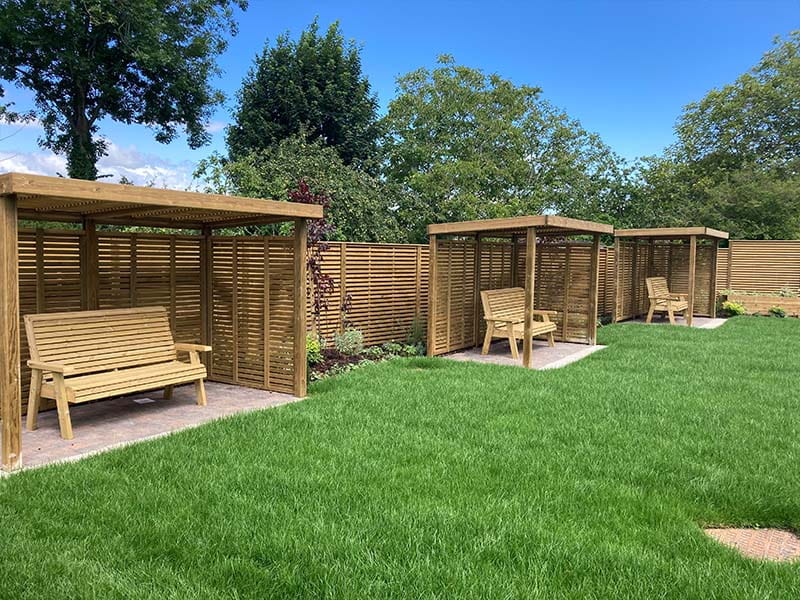
For larger gardens or shared spaces, a zoned layout with multiple shelters offers the ultimate retreat experience. Instead of one central area, the garden is divided into distinct zones, each with a specific purpose. This approach allows multiple people to use the space simultaneously without it feeling crowded or chaotic.
Shelters can be positioned throughout the garden, each hosting a different function such as seating areas, quiet corners, or activity zones.
This type of layout works particularly well for social environments, where different groups may want to engage in different activities. It also creates a sense of journey through the garden, with each space offering something unique to discover.
Careful landscaping helps tie everything together. Pathways, planting, and consistent materials ensure that the garden feels cohesive rather than disjointed. Thoughtful placement of shelters can also enhance privacy, making each zone feel like its own secluded retreat.
Ultimately, a communal zoned garden provides flexibility on a larger scale. It supports relaxation, connection and movement, offering something for everyone while maintaining a strong sense of design and purpose.
Planning and choosing the right garden shelter
Before introducing a garden shelter into your space, it is worth taking time to consider how it will be used and where it will be positioned. Thoughtful planning ensures the final result not only looks good, but works effortlessly as part of your day to day life.
Start by thinking about purpose. A space designed for entertaining may benefit from a larger footprint and close proximity to the house, while a quiet retreat or outdoor gym may work better in a more secluded area of the garden. Positioning also plays a key role in comfort. Consider sunlight throughout the day, natural shade, and wind exposure, to create a space that feels inviting in all seasons.
Ground preparation is another important factor. A solid, level base such as concrete, paving, or decking will help ensure the longevity and stability of your shelter. In some cases, you may also need to review drainage to prevent water build up in wetter months.
For UK homeowners, it is also helpful to check whether planning permission is required. Many garden shelters fall within permitted development, but this can vary depending on size, height, and location within your property.
Transforming your garden into a retreat does not require a complete overhaul. By introducing purposeful features such as comfortable seating, dining areas, wellness spaces, and thoughtful zoning, you can create an environment that supports both everyday living and special moments. With the right balance of function and style, your garden becomes more than just an outdoor space. It becomes a place you genuinely want to spend time in, whatever the season.
Related Content
Explore more garden shelter ideas:
Read about a project where garden shelters were installed in a communal garden to create an inviting shared space:
Communal garden with garden shelters
Explore ways to design functional outdoor dining and BBQ spaces that blend comfort, layout and style for easy outdoor living: