


07/07/2026 01:30 PM
Gravel boards might not be the first thing you think about when choosing a new fence, but they are as important as the fence panels themselves and contribute to a long lasting, successful installation. Installed at the bottom of a fence, they create a barrier between the panel and the ground, helping to prevent moisture damage and protecting against knocks from lawn mowers, strimmers and other garden equipment.
Read our blog on what is a gravel board does and why are they essential
For most homeowners, the choice is between concrete and timber gravel boards. While both serve the same purpose, there are some big differences in appearance, installation and long term performance. Timber gravel boards in particular are often misunderstood, with many people still associating them with the untreated products of the past.
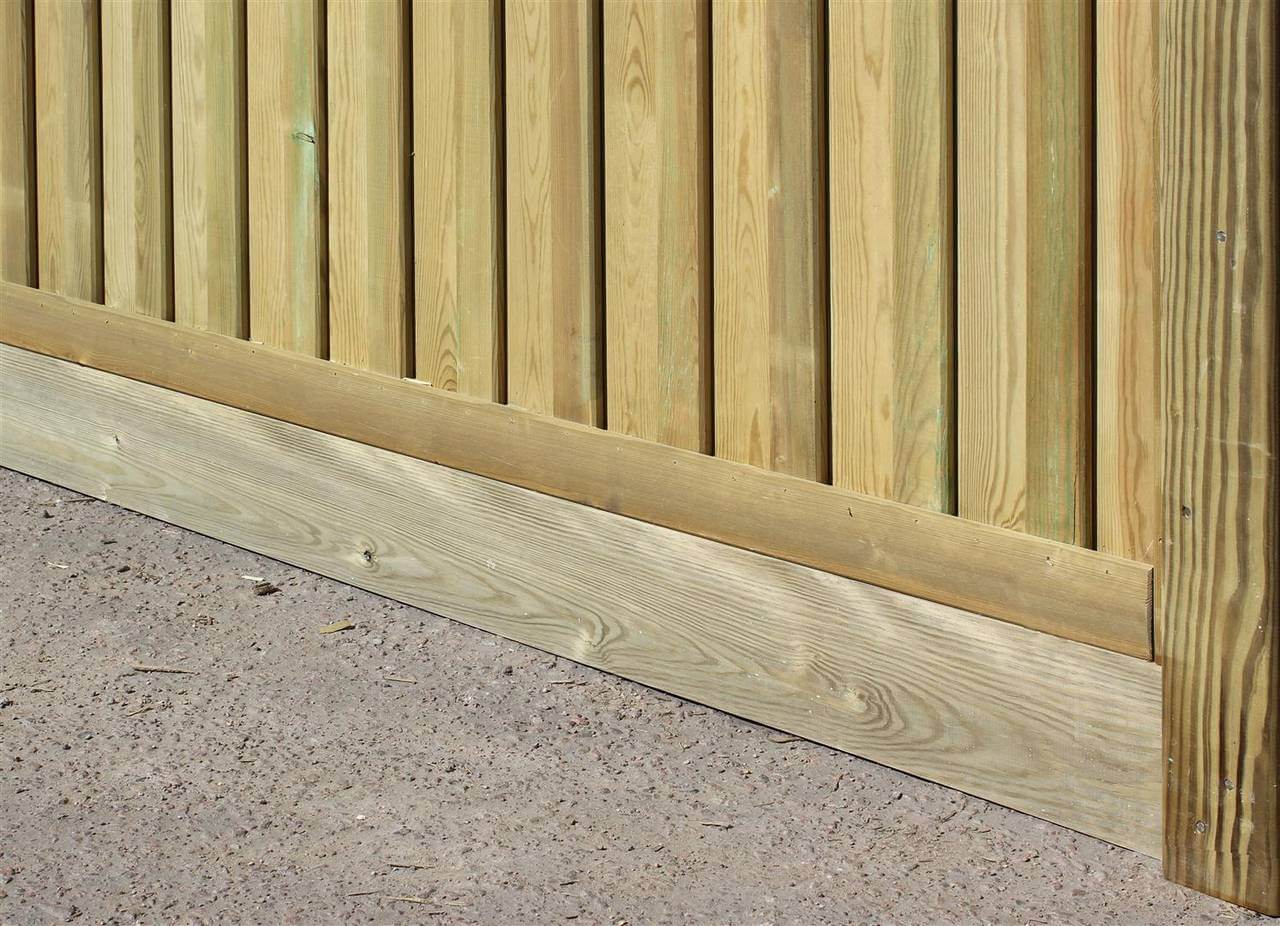
One of the biggest myths is that timber gravel boards will inevitably rot. While this can be true of poor quality or inadequately treated timber, modern pressure treated timber gravel boards are a very different product. At Jacksons, our timber gravel boards are protected using the Jakcure® pressure treatment process and come with a 25 year guarantee against rot and insect attack, with no requirement to stain, paint or apply any treatment for their whole lifetime.
So, which option is right for your fence?
Wooden Gravel Boards: The Pros
Natural Appearance
For many homeowners, appearance is one of the biggest reasons for choosing timber gravel boards.
A timber fence looks its best when every part of the fence is made from timber. Concrete gravel boards can create a visual break at ground level and look industrial, whereas timber gravel boards blend seamlessly with the fence panels and posts to create a consistent, natural appearance.
If you've invested in a quality timber fence, it's hard to beat the look of a fence that's wooden throughout.
No Worries About Rot
Wooden gravel boards have developed a reputation for rotting because they sit closest to the ground, where moisture levels are highest. Historically, many timber gravel boards were only lightly treated, meaning many began to deteriorate after a matter of years.
However, longevity is not simply determined by the material. The quality of the product, the treatment process and the expertise of the manufacturer all play a significant role. Choosing a gravel board backed by a long guarantee with no maintenance from a reputable manufacturer can give you confidence that it will perform for decades.
Our timber gravel boards are pressure treated using our Jakcure® timber treatment process, enabling us to offer a 25 year guarantee. This gives homeowners the best of both worlds; a fence that looks natural whilst having the peace of mind that comes from long term protection against rot and insect attack.
A Stronger Fence System
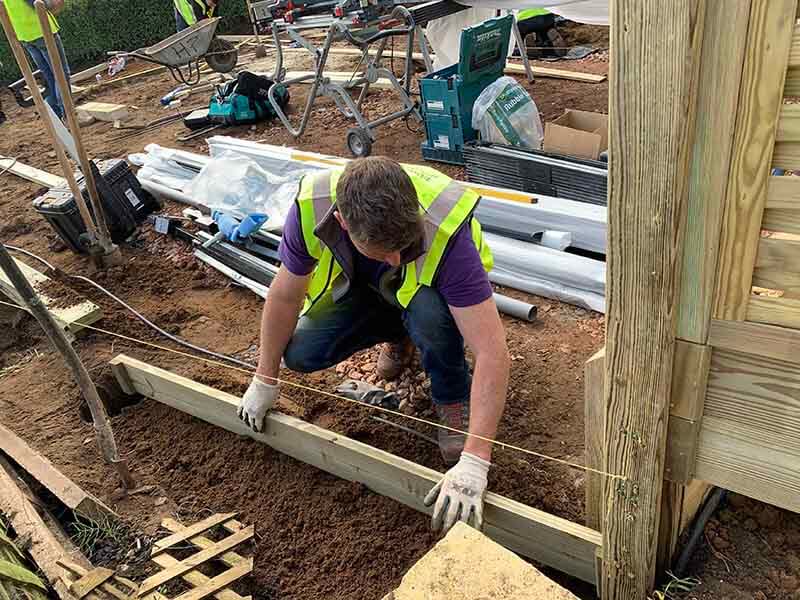
One benefit that is often overlooked is how timber gravel boards work with our slotted Jakposts.
The gravel board is screwed directly to the post, helping tie the fence together as a complete system. This creates a stronger overall structure and helps improve rigidity across the fence run.
Helps Prevent Gaps Appearing
Ground conditions change over time. Soil settles, particularly in newly landscaped gardens, and this can sometimes cause gravel boards to move.
It's not uncommon to see gravel boards drop slightly and leave a gap between the panel and the gravel board on one side of a fence.
Because Jacksons gravel boards are fixed securely to the posts, they are less likely to move as the ground settles. This helps maintain both the appearance and integrity of the fence.
Easier to Handle
Timber gravel boards are much lighter than concrete alternatives, making them easier to transport and install.
This can make installation quicker and reduces the amount of heavy lifting required on site.
Concrete Gravel Boards: The Pros
Long Lasting
Concrete gravel boards are extremely durable and won't rot or suffer from insect attack.
For this reason, they have long been considered a reliable option for protecting fence panels from ground contact.
Robust Protection
Concrete provides a strong barrier at the bottom of a fence and can help protect panels from accidental impacts and general wear and tear.
Concrete Gravel Boards: The Cons
Not as Attractive
While appearance is subjective, many homeowners prefer the look of timber.
Concrete gravel boards can appear out of place beneath timber fence panels, particularly in traditional gardens where a more natural finish is desired.
Heavy to Install
Concrete is significantly heavier than timber, making transportation and installation more difficult. In many cases, handling concrete gravel boards requires more effort and can increase installation time.
Can Crack or Chip
Concrete is strong, but it isn't indestructible. If damaged, it can chip or crack, which can affect its appearance and may be difficult to repair.
Environmental Impact
Concrete is one of the most widely used construction materials in the world, but it comes with a substantial environmental footprint. Its production requires significant amounts of energy, and unlike timber, it is not a renewable material.
While concrete can sometimes be crushed and reused, it is not as straightforward to recycle as timber. Responsibly sourced timber is a renewable resource, and it continues to store carbon throughout its service life.
For homeowners looking to make more environmentally conscious choices, timber gravel boards can offer a more sustainable alternative without compromising on lifespan, particularly when backed by a 25 year guarantee.
Don't Forget About Wildlife
When choosing gravel boards, it's also worth thinking about how your fence affects local wildlife.
Traditional fencing can create barriers for hedgehogs and other small animals, preventing them from moving between gardens to find food, water and shelter. As gardens make up an increasingly important habitat for wildlife, small changes can make a real difference.
One simple solution is to install a hedgehog gravel board. These specially designed gravel boards include a small access hole at ground level, allowing hedgehogs to pass safely between neighbouring gardens without affecting the appearance or performance of the fence.
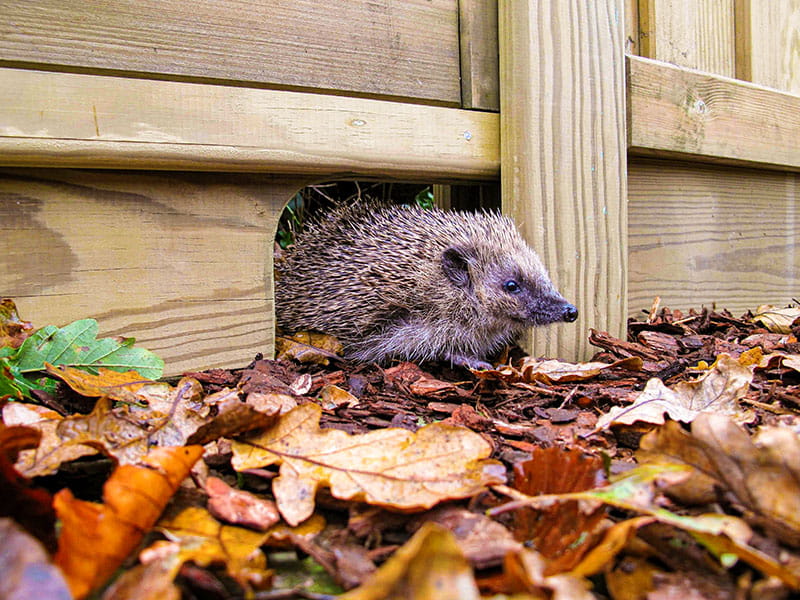
Jacksons timber hedgehog gravel boards offer all the same benefits as our standard timber gravel boards, including strength, durability and protection for your fence panels, whilst helping to create an important wildlife corridor.
If you're already installing gravel boards as part of a new fence, incorporating a hedgehog access point is an easy way to make your garden more wildlife friendly.
Which Gravel Board Should You Choose?
Both concrete and timber gravel boards will help protect fence panels and increase the lifespan of your fence.
If your priority is something that will retain soil with stacked gravel boards, concrete may be the right choice.
However, if you want a fence that looks natural, works as part of an integrated fencing system, is backed by long term protection against rot and insect attack, and offers the option of wildlife friendly features such as hedgehog access, timber gravel boards are well worth considering.
Modern pressure treated timber gravel boards are a world away from the products that gave wooden gravel boards their reputation decades ago. With Jacksons' 25 year guarantee, homeowners no longer have to choose between good looks and longevity.
A timber fence looks best when it's timber from top to bottom, and with the right treatment, it can stay that way for decades.
Related content:
What is a gravel board and is it essential?
Concrete or Wooden Fence Posts?