


04/11/2026 10:00 AM
If there's one thing the latest garden trends reveal, it's that the role of the garden is evolving, as it always does. In 2027, gardens will serve as places to relax, socialise, grow food, support wildlife and provide an escape from increasingly busy, screen-focused lives.
Several clear themes are emerging across garden design, planting and outdoor living. From climate resilient gardens to outdoor kitchens and the rise of garden security, here's what's shaping gardens in 2027.
1. Wellbeing, Digital Detox and Nature Therapy
The biggest garden trend for 2027 is the desire to disconnect.
As people spend more of their lives online, gardens are increasingly viewed as places to step away from screens, slow down and reconnect with nature.
Activities such as gardening are being embraced as daily rituals, providing moments of mindfulness, achievement, and calm in an otherwise fast paced world. This shift is influencing both garden design and how outdoor spaces are used. Homeowners are moving away from highly structured landscapes and embracing more naturalistic planting styles, where grasses, perennials and wildlife-friendly plants are allowed to create a softer, more relaxed feel.
We're also seeing increased demand for features that encourage people to spend longer outdoors and use their gardens more intentionally. Water features, reading nooks, wellness zones, hot tubs, and plunge pools are all becoming more common as homeowners look to create spaces that support relaxation and wellbeing. Rather than treating the garden as something to look at, many are designing it as a place to actively spend time in.
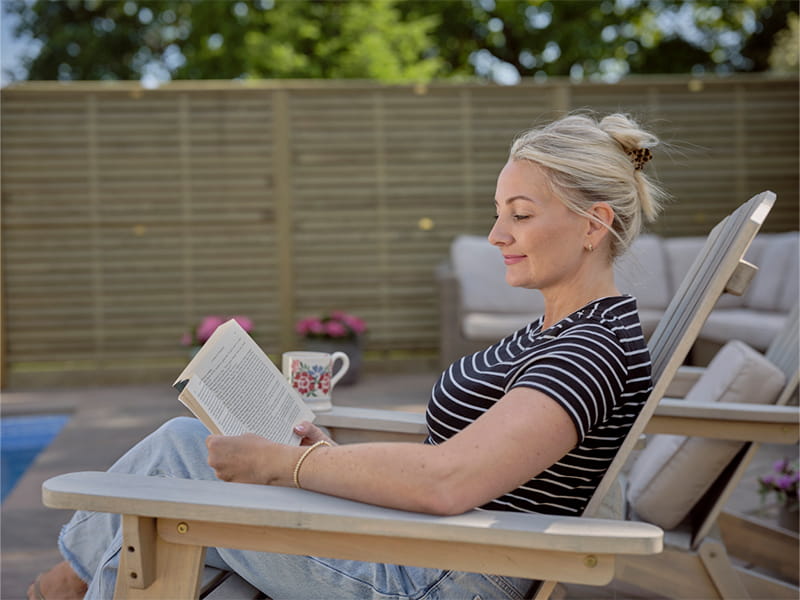
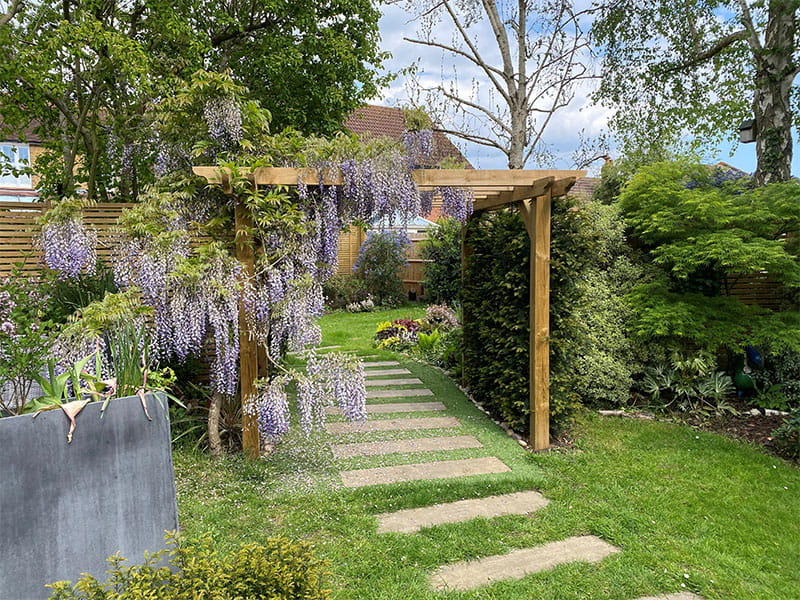
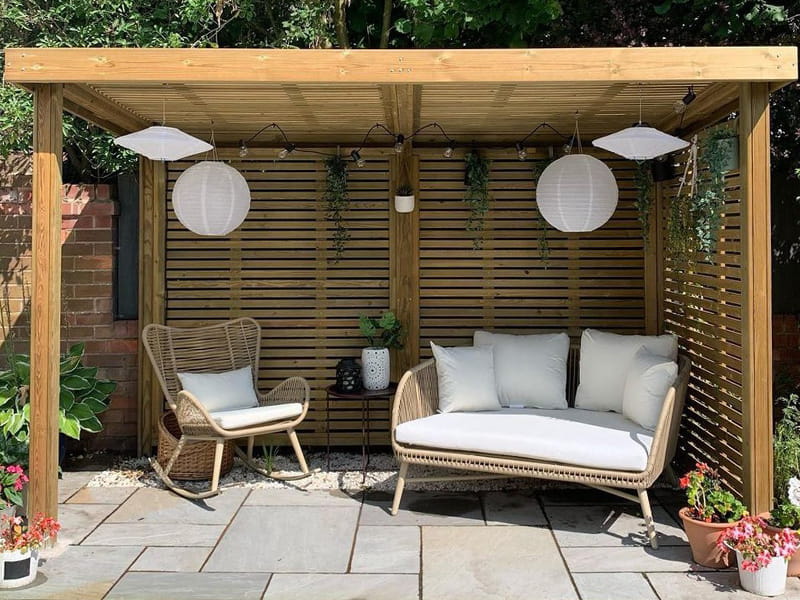
As a result, interest in dedicated outdoor rooms and sheltered retreats is increasing. Pergolas, garden shelters, and timber decking can help define spaces for reading, relaxing, socialising, or simply enjoying a morning coffee outside.
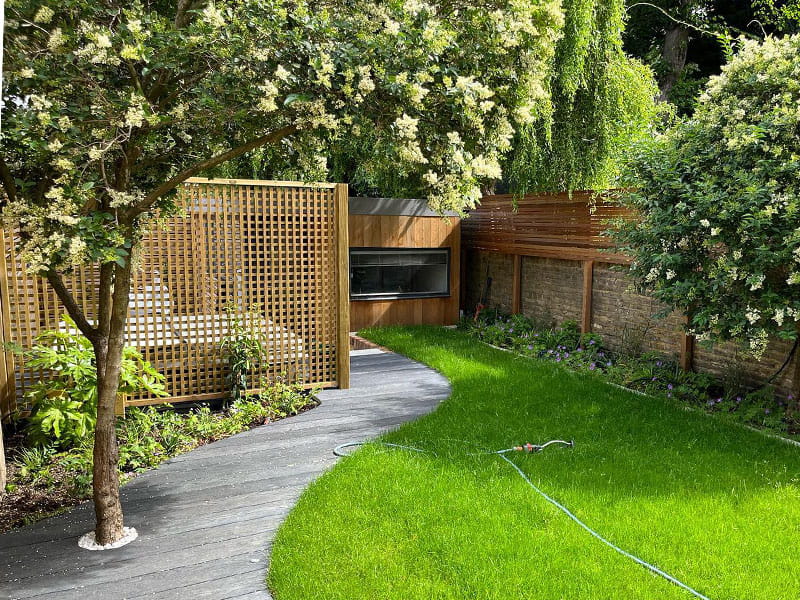
Garden screening is also playing a key role, helping to separate different areas of the garden and create a sense of privacy and escape. There is a growing focus on creating spaces that can be enjoyed throughout much of the year, extending time spent outdoors regardless of the weather.
2. Climate-Resilient Gardening Takes Centre Stage
Climate-resilient gardens are no longer a niche concept. For many gardeners, they have become a necessity.
The challenge facing UK gardens is no longer simply drought or rainfall. Instead, gardens must now cope with both. One month may bring prolonged dry weather, while the next delivers heavy downpours and waterlogged soils. As a result, gardeners are increasingly designing for extremes, incorporating features such as rainwater harvesting systems and water butts to capture and store water during wetter periods, while relying on drought-tolerant planting and resilient perennials that can withstand changing conditions throughout the year.
Raised beds and sleepers are becoming increasingly popular for improving drainage and creating flexible planting areas, while decorative fencing and screening can help conceal water butts without compromising the overall design.
For a deeper look at practical ways to prepare for changing weather patterns, read our guide to drought-proof gardens: designing for a changing climate.
Designing for a Changing Climate Beyond the Planting Scheme
Composite decking continues to grow in popularity, particularly in contemporary garden designs. However, recent summers have highlighted concerns around heat retention and potential fire risks during extreme temperatures.
Timber decking, by comparison, may occasionally benefit from being watered during particularly hot and dry weather, but it doesn't carry the same fire-risk concerns associated with some composite materials.
Garden furniture is also being influenced by rising temperatures. Metal furniture can become extremely hot in direct sunlight, encouraging homeowners to choose alternative materials or incorporate more shade through pergolas, shelters and planting.
Another often-overlooked consequence of changing weather patterns in our gardens is the impact they can have on timber gates.
Hotter summers and wetter winters mean timber naturally expands and contracts more frequently. Timber has always moved in response to temperature and moisture levels, but the difference is that weather extremes are becoming more common. This means adjustable hinges are quickly becoming an essential feature. They allow gates to be adjusted as the seasons change, helping them continue to open and close smoothly year-round.
3. Gardens as Lifestyle Spaces
Another major trend is the continued evolution of the garden into an extension of the home.
Rather than being viewed separately, outdoor spaces are increasingly being designed like additional rooms, with clearly defined areas for dining, entertaining, relaxing, and cooking.
The rise of outdoor kitchens
Outdoor kitchens are one of the fastest-growing garden trends for 2027.
What was once a simple barbecue area has evolved into a fully equipped outdoor cooking space, complete with preparation areas, storage, refrigeration, and seating. These spaces are increasingly designed for everyday use rather than occasional entertaining.
Garden shelters are helping make outdoor kitchens more practical, providing protection from both sun and rain, while decking creates clearly defined cooking and dining zones.
As outdoor kitchens become more sophisticated, homeowners are looking for spaces that encourage families and guests to spend longer outdoors.
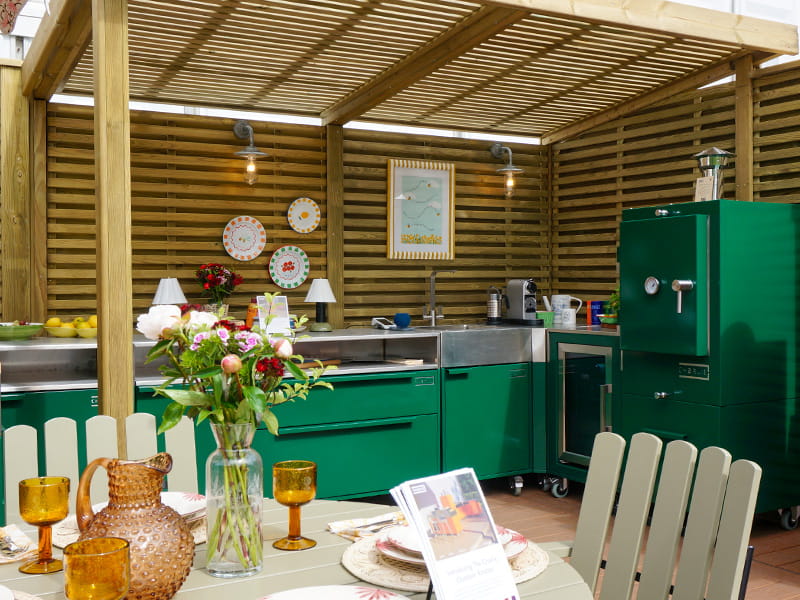
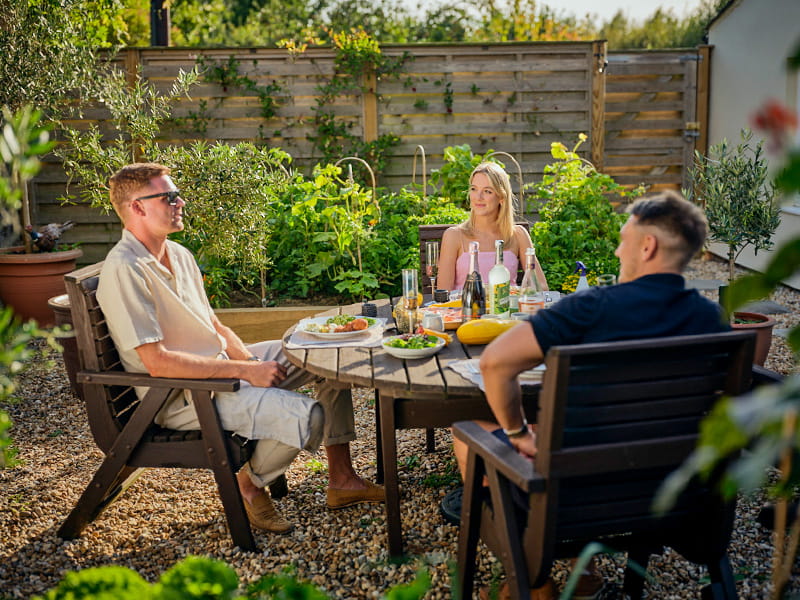
There's also a growing appeal in being able to step outside and pick fresh mint for a summer cocktail or snip basil for a homemade pizza. Rather than being confined to a separate vegetable plot, herbs and vegetables are increasingly being woven into the wider garden design. Raised beds, planters and compact growing spaces allow fresh ingredients to be placed close to where they're actually used.
The garden is no longer separate from the home. It is becoming a multifunctional space for living, dining, growing and entertaining.
4. Colour Trends for 2027: Blues and Romantic Tones
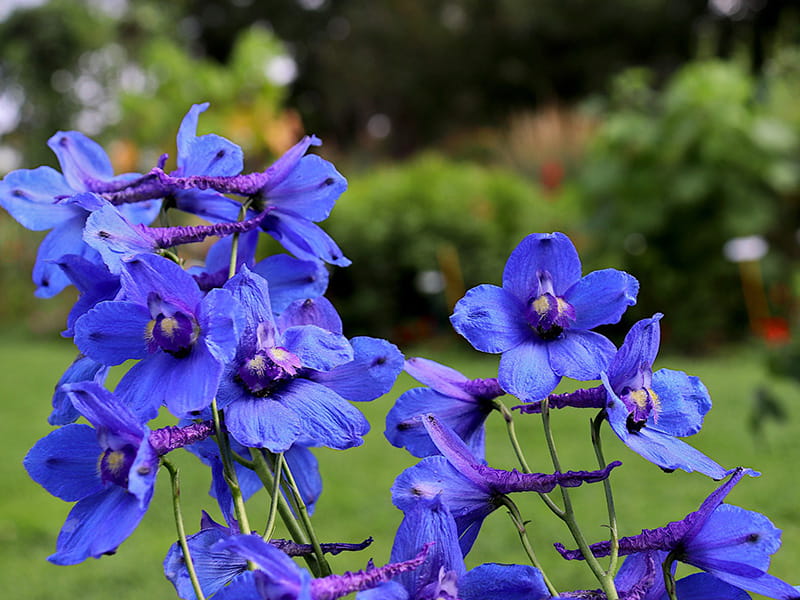
The standout colour trend for 2027 is blue. Associated with calm, mindfulness, and timeless design, shades of blue are appearing throughout planting schemes, garden accessories, and outdoor styling. Popular blue-flowering plants such as delphiniums, agapanthus, hydrangeas, and salvias are expected to feature heavily, bringing cooling tones and a sense of tranquillity to borders, containers, and cottage style planting schemes. We're seeing the colour introduced not only through planting, but also through pots, cushions, textiles, and decorative accessories.
However, it is worth remembering that colour trends come and go, while good garden design is lasting. Rather than painting a fence blue to follow a short term trend, a natural timber fence, with a long guarantee, creates a neutral backdrop that works with changing fashions for years to come. A timeless timber fence complements almost any planting scheme, allowing trends to be updated more sustainably through plants and accessories instead of permanent changes using harmful chemical paints.
If you're considering changing the appearance of your fence, our guide on whether you should stain or paint your fence explores the pros and cons.
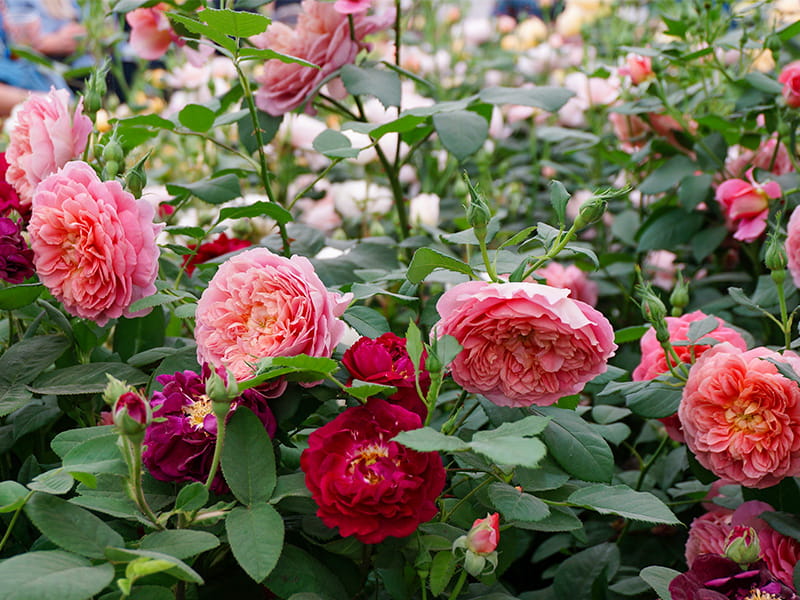
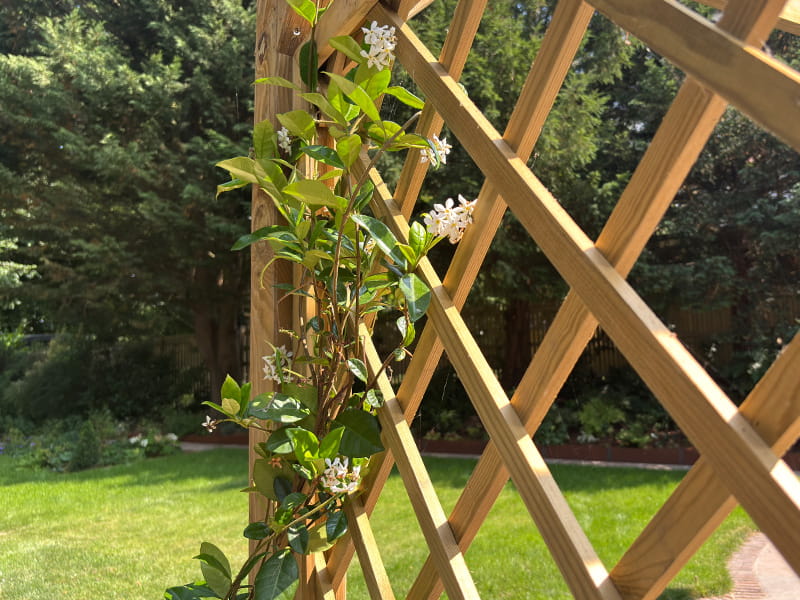
Alongside blue, classic garden plants are making a strong comeback. Richer and more dramatic planting palettes are also expected to feature in 2027. Dark and coloured foliage, particularly burgundy, plum, and deep purple shades, will add depth and contrast to planting schemes, while softer pink flowers bring warmth and balance. Roses, peonies, hydrangeas, and climbing varieties all align with the growing preference for romantic, characterful gardens filled with colour, texture, and seasonal interest. Trellis panels continue to play an important role here, supporting climbing roses, clematis, and honeysuckle while adding height, softness, and valuable habitat for pollinators.
5. Garden Security is Becoming a Growing Priority
With all of these garden trends in mind, from outdoor kitchens and wellness spaces to saunas and year-round outdoor living, it's no surprise that garden security is becoming an increasingly important consideration. As homeowners invest more in their gardens, whether that's a pergola-covered seating area, premium outdoor furniture, a garden building, or a dedicated wellness retreat, protecting those investments is naturally moving higher up the agenda. Not only this, but good garden security also protects the house.
The challenge, however, is finding solutions that provide effective protection without compromising the appearance of the garden.
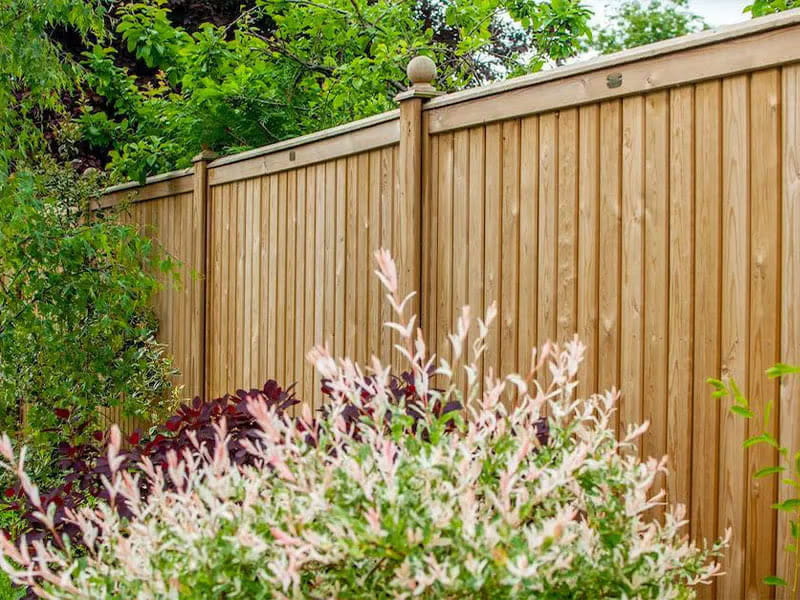
This is where modern attack rated fencing is changing perceptions of garden security, combining discreet, attractive design with independently tested security performance. Jacksons launched the UK's first LPS 1673 certified attack rated timber fencing range, combining independently tested security performance with the appearance of traditional garden fencing.
For homeowners, this offers an opportunity to create outdoor spaces that not only feel welcoming and relaxing, but also provide greater security and peace of mind.
Looking Ahead into 2027
The strongest garden trends for 2027 all point in the same direction: gardens that are more purposeful, resilient, and connected to everyday life.
Whether through climate-resilient gardens, outdoor kitchens, edible planting, wellness spaces, or enhanced garden security, homeowners are seeking gardens that do more than simply look good.
The garden of 2027 is designed to support wellbeing, cope with changing weather, encourage meaningful time outdoors, and provide a lasting backdrop for modern living.
Explore trends from previous years: Garden Trends 2026
Our gardens are more than just outdoor spaces. They’re extensions of our homes, designed with purpose, personality, and sustainability in mind. Whether it’s creating a safe haven for pets, embracing lush greenery, or finding beauty in simplicity, next year’s trends focus on connection – with nature, with our homes, and with how we live.
Bark’itecture: Safe Spaces for Pets
It’s estimated that 60% of households have a pet, and 36% of those are dog owners. With so many of us sharing our lives with animals, it’s no surprise that “Bark’itecture” is one of the defining trends in 2026.

More homeowners are designing gardens with pets in mind; creating secure, stimulating spaces where dogs can play and explore freely. Fencing plays a key role here, ensuring pets stay safely within the boundaries of the garden. The fence’s main purpose becomes one of protection and peace of mind, giving owners confidence that their furry companions are safe.
When choosing fencing for pets, height and strength are crucial, particularly for larger breeds or energetic dogs. Durable, well constructed fencing not only prevents escape but also helps to define distinct zones for play, rest, and planting.
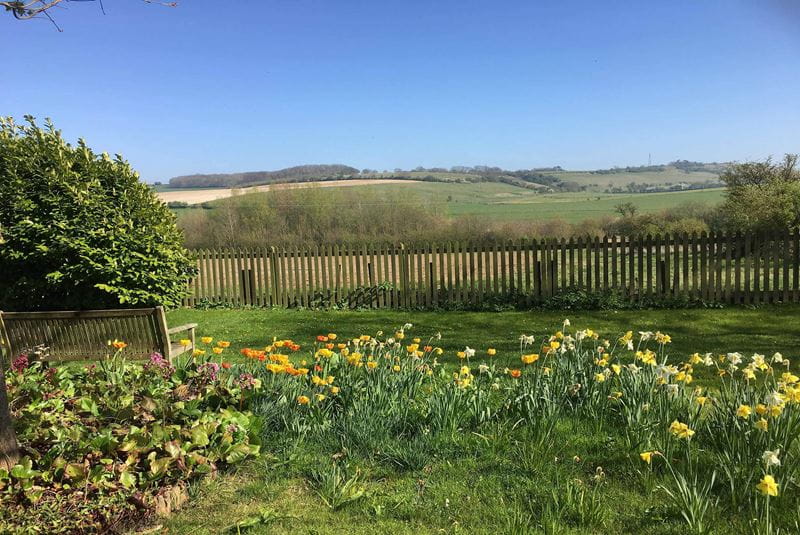
Dog fencing for small dogs is essential to ensure their safety and prevent them from wandering off or encountering potential hazards. Due to their size, small dogs can easily slip through gaps, so it's important to choose barriers specifically designed with smaller breeds in mind. Opting for kit form fencing allows you to control the spacing between pales. Closely spaced picket fences provide a secure boundary while still allowing visibility and airflow. Additionally, the fence should be low enough to maintain sightlines but high enough to deter climbing or jumping. Proper dog fencing not only keeps small dogs safely contained but also gives them the freedom to enjoy outdoor spaces confidently.

Green Drenched Gardens
The rise of green drenched design celebrates the fence as part of the garden aesthetic rather than just a boundary. Think fences wrapped in climbing plants, or used as a backdrop to showcase lush greenery. Timber fencing complements this look perfectly, blending seamlessly with foliage while providing a natural canvas for ivy, clematis, or jasmine to climb.
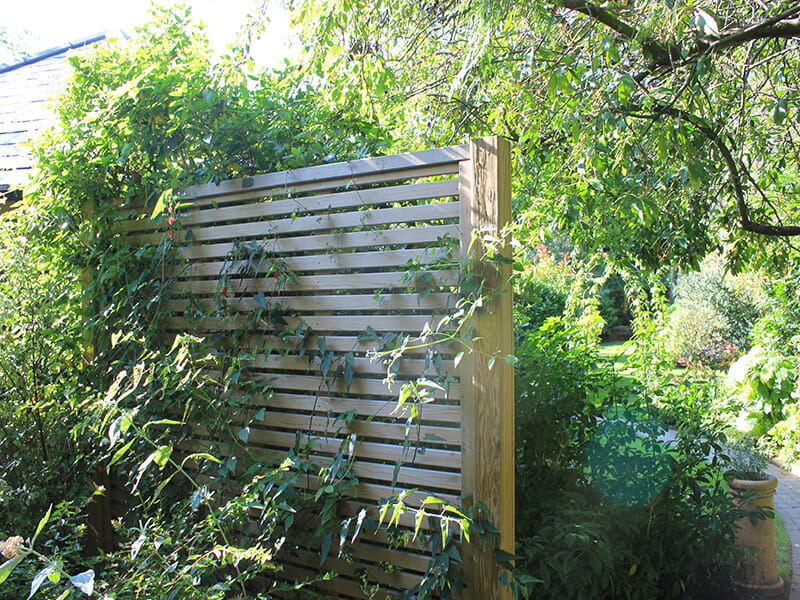
Adding trellis panels to your fence is a simple yet highly effective way to support climbing plants while enhancing the overall garden design. Trellises provide a vertical framework for plants like clematis, ivy, or jasmine to grow, creating a lush, green backdrop that transforms a plain fence into a striking feature. They can be attached directly to timber fencing using screws or brackets, ensuring stability while keeping the structure discreet. This approach not only maximises vertical growing space but also adds texture and depth to the garden, blurring the lines between functional fencing and decorative greenery. Trellises are particularly useful for creating privacy screens, softening hard boundaries, or highlighting specific areas of the garden.
This approach transforms even the smallest outdoor spaces into tranquil, plant-rich retreats that feel immersive and alive.
Tamer Meadows and Chaos Gardening
In 2026, the wild look remains popular but with a slightly tamer edge. This “controlled chaos” trend favours natural materials like wood and design choices that reflect the organic flow of nature. Fences and garden structures are chosen to complement the landscape rather than dominate it.
Linked closely to this is chaos gardening, a movement towards scattering seeds and stepping away from manicured lawns. The result? Low maintenance, biodiverse gardens buzzing with pollinators and bursting with seasonal colour.
Container Planting and Outdoor Living
Outdoor living continues to thrive, with patios, decking, and terraces becoming year-round features. Container planting is a simple yet stylish way to soften hard landscapes and introduce greenery and fragrance.
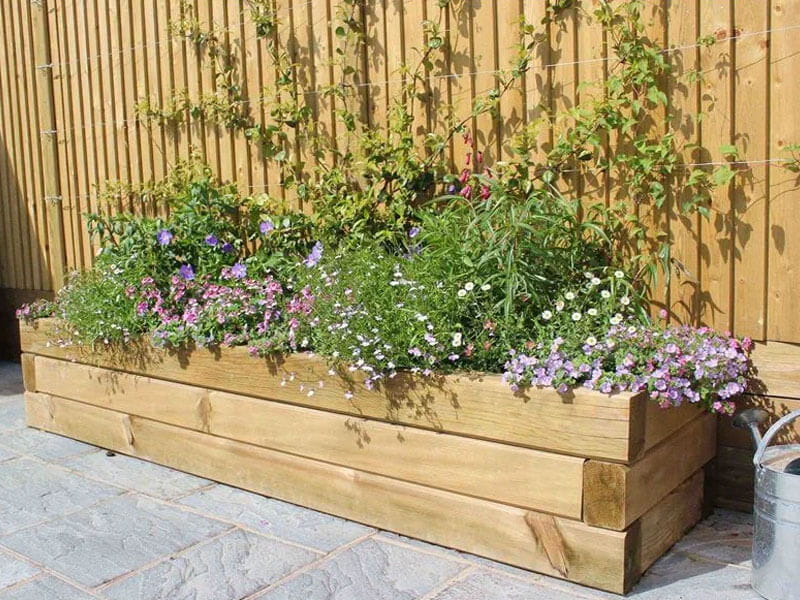
We are seeing more pots brimming with herbs, trailing plants, and bursts of colour, with fragrant varieties like jasmine adding both beauty and scent. Whether you have a small balcony or a large patio, container planting makes it easy to change the look and feel of your space through the seasons.
Quiet Luxury
Quiet luxury is all about timeless design and understated elegance. This trend combines nostalgia with modern sensibility; evergreen hedges, cohesive planting palettes, and quality materials that stand the test of time.
In fencing, that means classic designs in natural finishes, understated yet beautifully crafted. The goal is to create a sense of calm and continuity, where every element of the garden feels considered and harmonious.

Low-Water, Drought Tolerant Planting
Building on last year’s focus on climate resilience, we are seeing greater emphasis on drought tolerant planting. As energy and water costs continue to rise, homeowners are choosing species that require minimal irrigation yet thrive in warmer, unpredictable weather.
Grasses, lavender, rosemary, and sedum are all excellent options, offering structure, scent, and colour while keeping maintenance low. Paired with sustainable fencing and permeable landscaping, this approach balances beauty with environmental responsibility.
The most popular garden fence colours for 2026
Fence colour is one of the fastest ways to update a garden. For 2026 the standout trend is soft, natural green sage and olive tones that let a boundary quietly recede so planting takes centre stage. Deep charcoal and matt black remain popular for a contemporary, architectural look that makes greenery pop, while warm greys suit the often-overcast British light and blend into the sky. Natural, unpainted timber is having a resurgence too, in step with the year's organic, 'controlled chaos' planting mood. Because our timber is Jakcure® treated, painting is purely a styling choice, not a maintenance job, so pick a colour for the look you want, not to protect the wood.
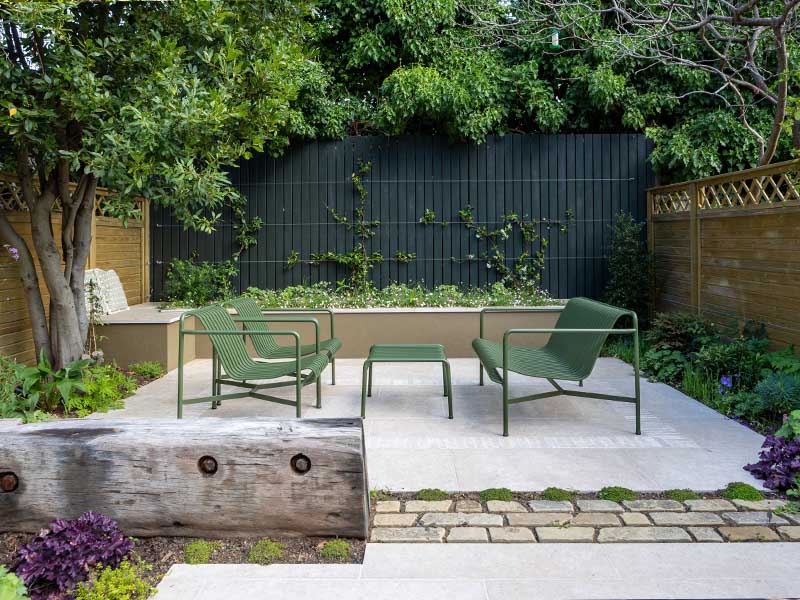
Garden fence colour ideas and schemes
Choosing a fence colour is easier when you work to the garden as a whole. For small gardens, dark shades like charcoal add depth and make the space feel larger by blurring the boundary; pale greys and greens keep things light and airy. Match or deliberately contrast with hard landscaping and furniture for a considered scheme. If you do choose to paint, popular ranges such as Cuprinol Garden Shades and Ronseal Fence Life offer the trend colours above. Test a small area first, as colours read differently against planting and in changing light.
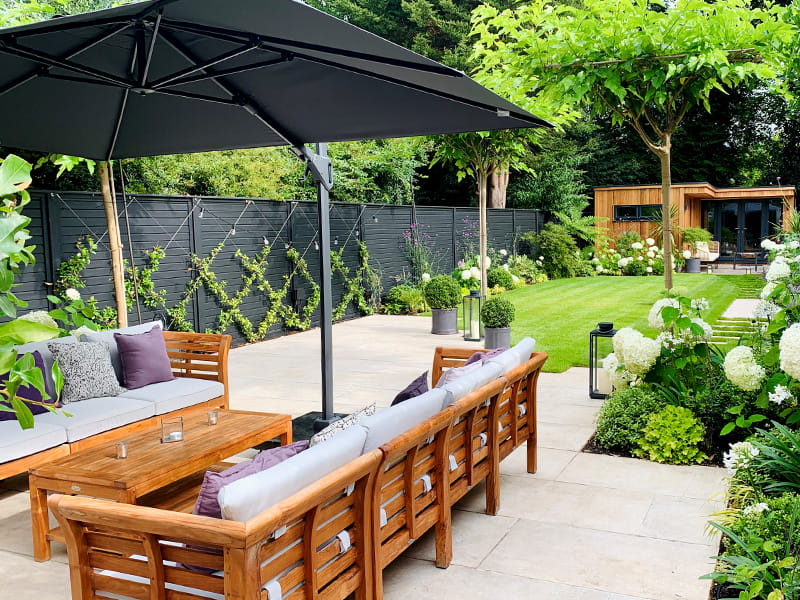
Which fence materials and styles are trending in 2026?
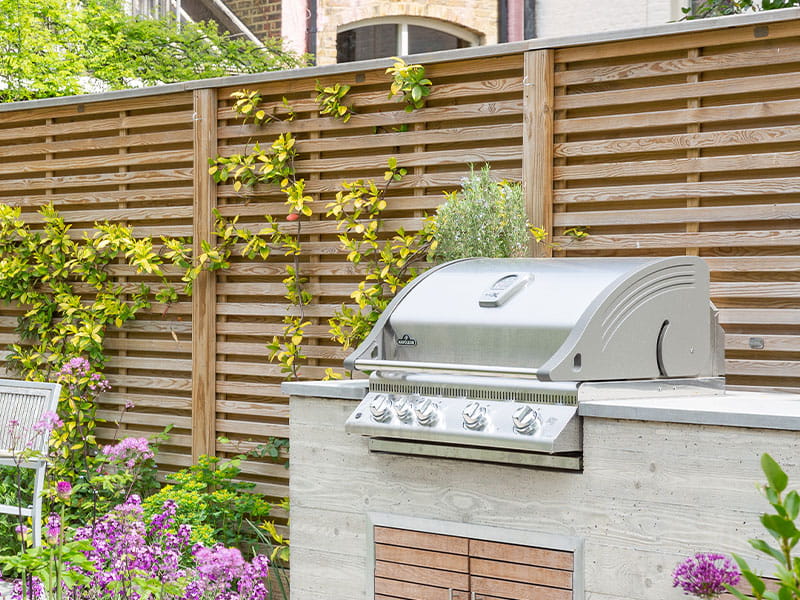
Alongside colour, homeowners are rethinking materials. Natural, responsibly sourced timber leads the way, valued for warmth and sustainability. Slatted and semi-solid styles such as Venetian and Hit and Miss continue to dominate contemporary gardens, letting light and air through while giving clean horizontal lines. Interest in composite fencing is rising for its low upkeep, though quality guaranteed timber offers a longer, more natural-looking life. And as gardens double as outdoor rooms, acoustic and solid privacy panels are increasingly specified to screen noise and neighbours.
Bringing It All Together
Whether you’re creating a safe haven for pets, embracing green drenched design, or opting for quiet luxury, 2026’s garden trends share one common thread, a thoughtful connection between people, pets, and nature. At Jacksons Fencing, we believe your garden fence should do more than mark a boundary. It should enhance your space, protect what matters most, and stand the test of time.

Last Year's Garden Trends
Following amazing displays and exciting designs at the various garden shows and exhibitions, we’ve rounded up our hot picks for 2025. Although there are always some exciting new trends, we always encourage that you build upon your existing garden design, taking elements you know you will enjoy for years to come, to create sustainable, long-lasting designs that minimise waste and keep costs low.
In 2025, several garden trends emerged, combining sustainability, innovation, and personal wellness. Here are some key trends:
Climate-Resilient Gardens
With changing weather patterns, gardeners prioritised plants that can withstand drought, heavy rains, and temperature fluctuations. Native plants, drought-tolerant species, and resilient landscape designs gained popularity, reducing the need for excessive water and maintenance.
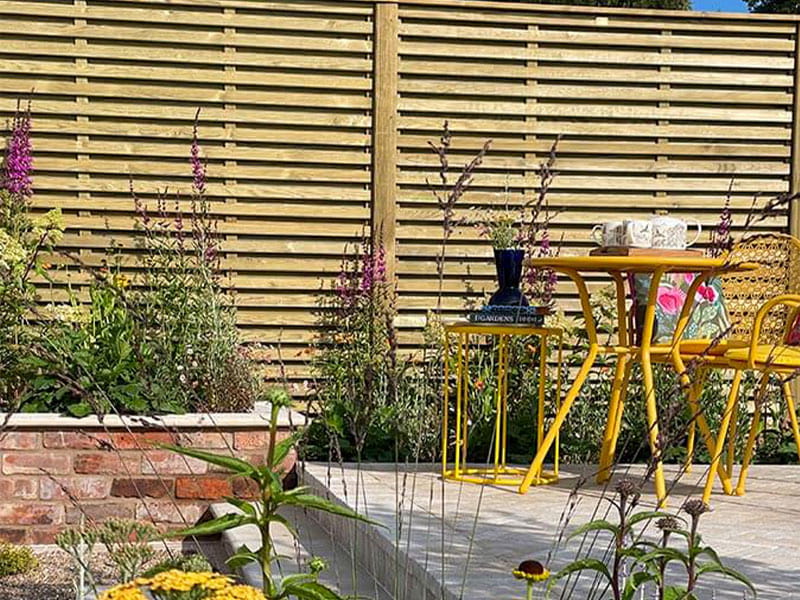
Smart Gardens & Tech Integration
Gardens designed for the future with smart technology began to steer garden designs. Smart irrigation systems, app-controlled lighting and renewable energy creation took centre stage. Solar fence panels showcase how homeowners can take advantage of all available space and create energy to power their homes.
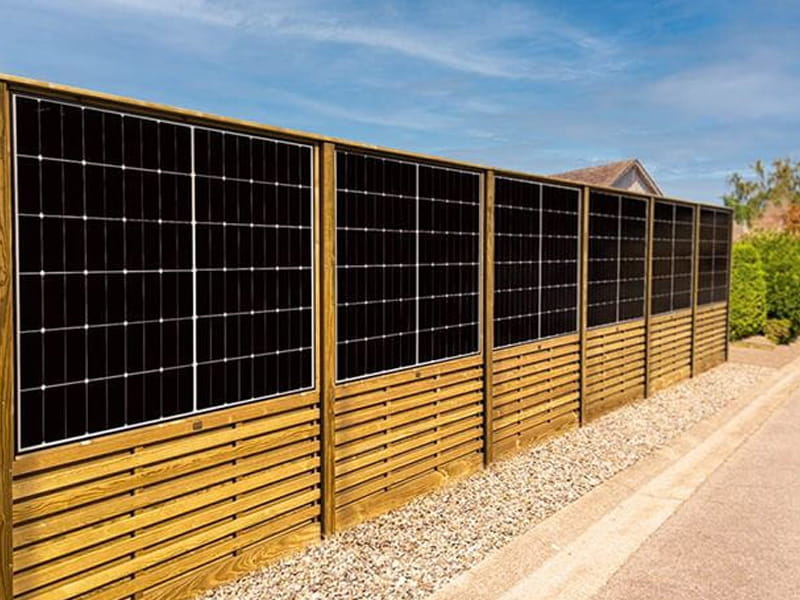
A push towards integrating technology into outdoor spaces, allowed for increased efficiency and sustainability.
Sustainable Materials
Eco-conscious consumers looked for garden structures and fencing made from sustainable, recycled, or upcycled materials. Timber remained the most popular fencing material, with consumers seeking durable, long-lasting and environmentally friendly products,
Minimalist Designs
Minimalist gardens with clean lines, structured planting, and muted colour schemes resonated with homeowners looking for low maintenance yet stylish outdoor spaces. This trend aligns well with contemporary garden fence designs.
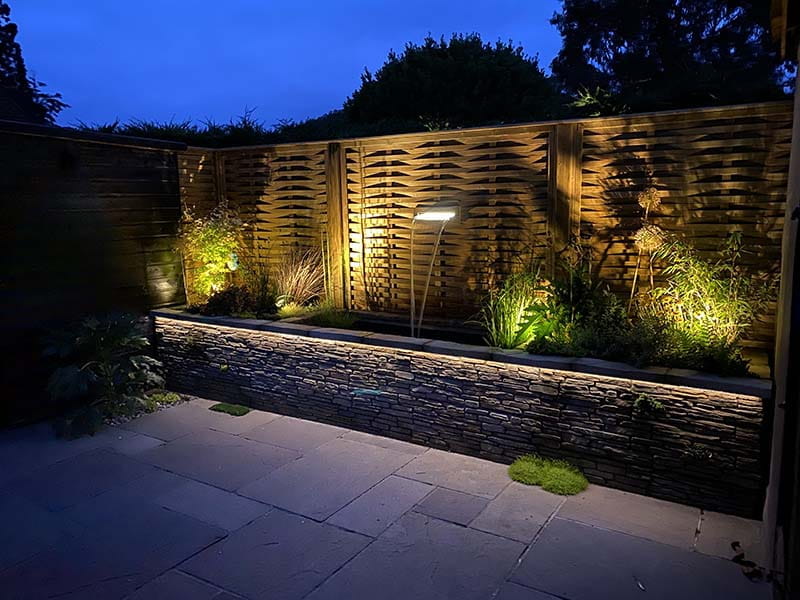
Wellness Gardens
Gardens designed to promote relaxation and well-being continued to grow in popularity. Spaces that encourage mindfulness, such as sensory gardens, forest gardens, meditation spaces, and healing herb gardens, were in demand. These gardens featured fragrant plants, calming water features, groundcovers, shrubs, climbers, and trees, and soft lighting.
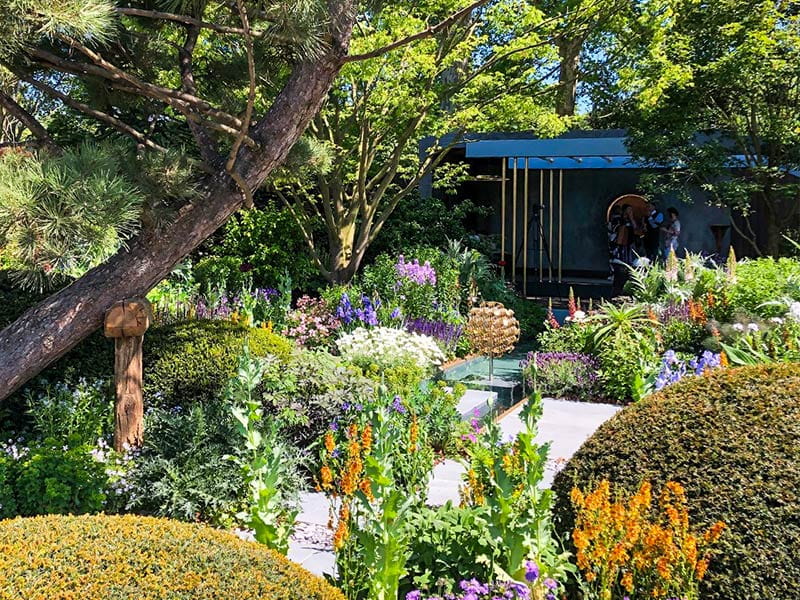
Vertical & Small-Space Gardening
Urbanisation is increasing, and so is the need for maximising small spaces. 2025 saw vertical gardens, balcony gardening, and even container gardens as key solutions for those with limited space. This trend is ideal for innovative products like solar panels integrated into fences or plant-friendly structures.
Wildlife-Friendly Gardens
Gardens that invite biodiversity, such as pollinator-friendly flowers, insect hotels, and bird-friendly habitats, continued to be popular. People aimed to create sanctuaries for bees, butterflies, birds, and other wildlife.

These sustainability, technology and wellness trends were key themes driving the garden sector in 2025.
Garden Trends 2024
Dark and mysterious colours
Darker colours used in gardens, as moody aesthetics were favoured. Purples, dark reds and blues filled borders with only a small number of vibrant coloured plants to contrast. There were shifts towards dark foliage with intense shades of purple or brown. Light colour plant pots were swapped to darker colours.
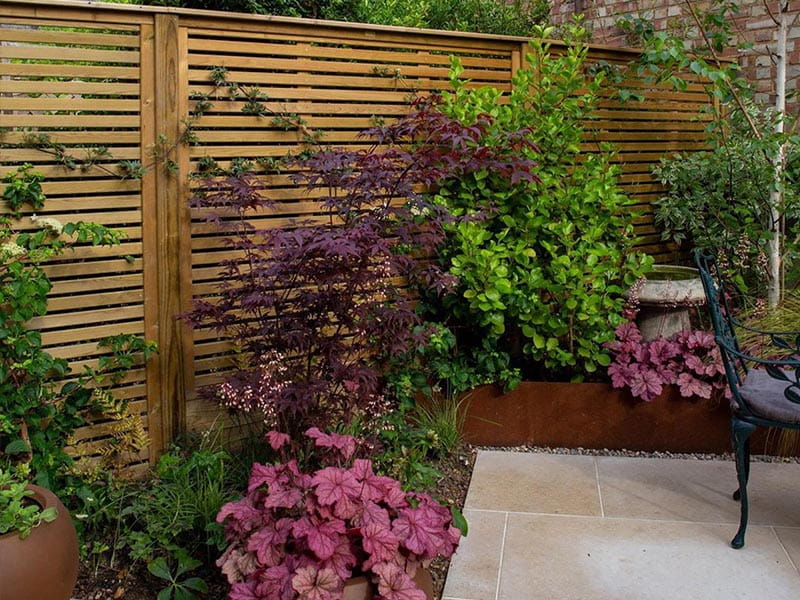
Aged timber
Timber is a beautiful natural resource that will age over time. Ageing timber should be celebrated for all its character and ongoing strength. Reclaimed wood or existing wood structures that are older will add texture, roughness and neutral tones to gardens. Garden designers added reclaimed or cherish mature fencing in newly renovated gardens, not only for their aesthetics but continuous functionality. All timber will eventually fade in colour. Some people opted to paint their timber instead of leaving it to naturally age. Leaving timber, whether that be fence panels, sleepers or pergolas will help the garden look well established and lived in. If you want to see the beauty in aged timber, you must buy quality timber with a long lifetime guarantee to begin with so that it has the opportunity to age and grow old gracefully.
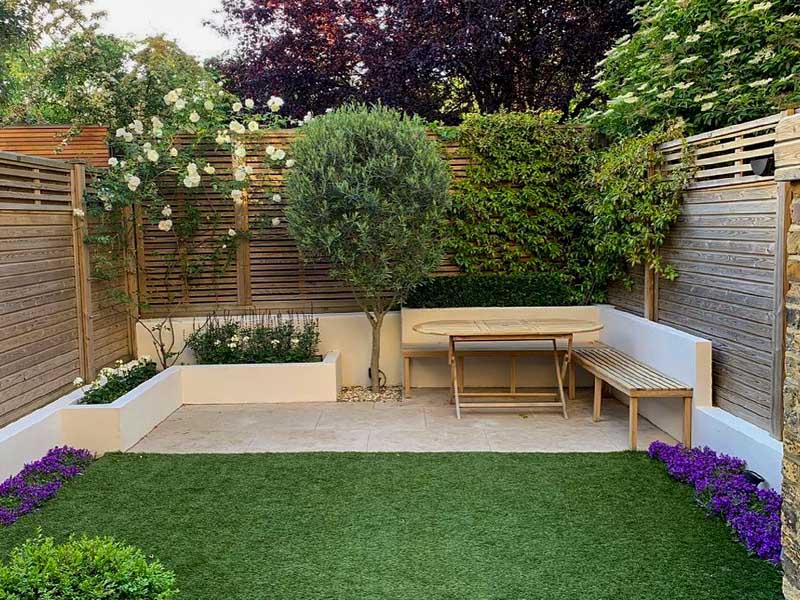
Traditional cottage style garden
Traditional-style gardens, also known as cottage gardens, made a comeback. Characterised by informal planting, wildflower-inspired borders and space to grow your own produce, this classic garden style proved a welcome return, especially as gardeners increasingly look to support local wildlife. Full borders with variety of plants and areas left to be wild are quintessential cottage gardens. Traditional gardens usually have designated sections, each with a different purpose. Smaller gardens can use garden dividers to either purposefully or subtly move from one area to another.
Rust
Rust was never far away from gardens, whether that is on purpose or not. However, a growing trend is to add rust into your garden as a feature. Corten steel is a type of weathered steel, that is popular amongst garden designers and can be used to create a range of garden features. Corten steel formed a layer of rust that acts as a protective barrier holding its strength for years to come. A raised bed created from Corten or a water feature creates great contrast with the other aspects of the garden.
Panelling
A feature panelled wall and panelled fencing is an increasing trend in gardens. Statement panelling made from timber or metal can make a huge impact in a garden. Painted dark, panelling can add a sense of mystery and depth into a space. Left in its natural state panelling can become a focal point. Jacksons Fencing’s Chilham fence panels have a panelled design and offer an instant upgrade to a growing garden trend.
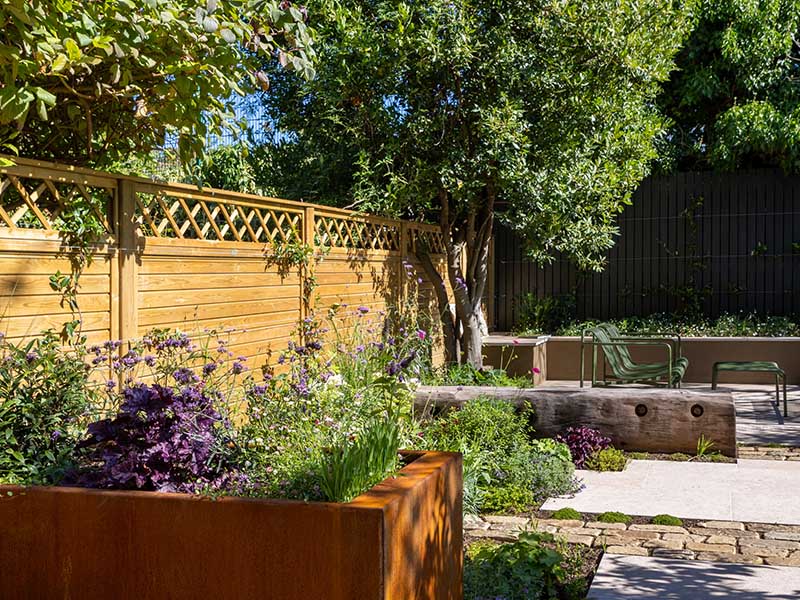 This blog was originally written in October 2021 and was updated in July 2026.
Related content
Discover how contemporary fencing, clever colour choices and stylish outdoor living features can transform your garden into a modern, inviting space by reading this inspiring blog.
Creating a Contemporary Garden with Fencing
Read this blog to discover why high-quality pressure-treated fencing can provide long-lasting durability without the need for painting, saving time and maintenance while still offering the option to customise your garden's appearance.