


16/04/2026 02:04 PM
Explore the elegance of estate fencing in our concise guide. Ideal for country estates and large gardens, this blog highlights styles, compares them to traditional options, and provides a buyer's guide for material selection. Get tips on installation, maintenance, and adapting to sloped terrain to enhance your property!
What Is Estate Fencing?
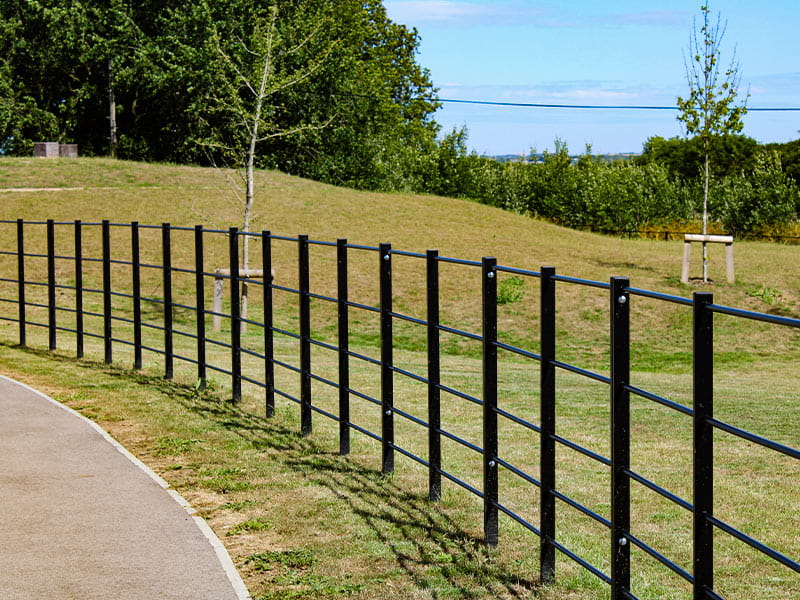
Estate fencing is a classic style of metal post and rail fencing traditionally seen across country estates, parklands, farms, and large gardens. Known for its elegant appearance and open design, it provides boundary definition while maintaining visibility and enhancing landscape character. It has also become a popular sight around new home developments.
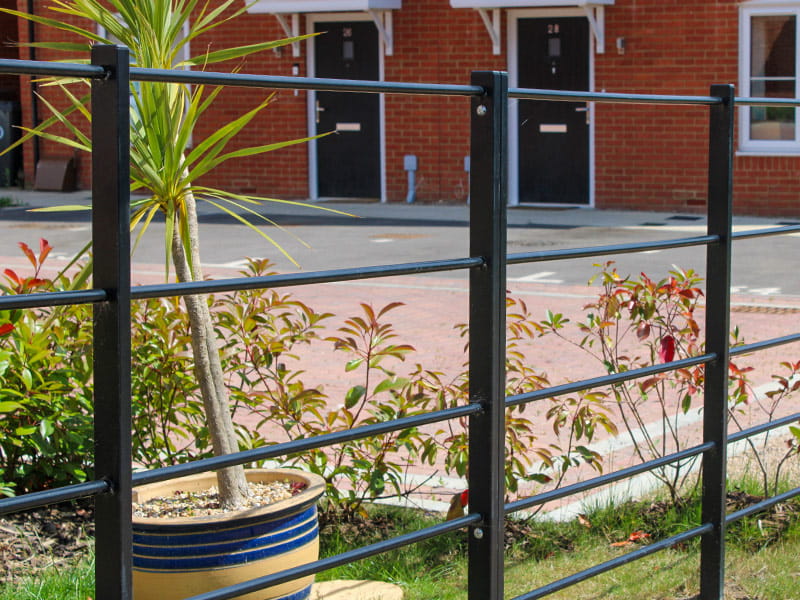
Estate fencing is commonly chosen for:
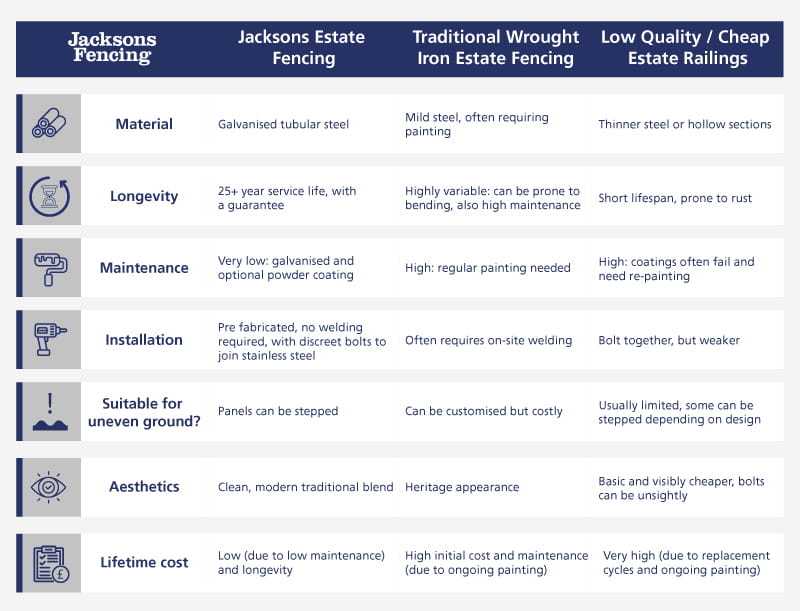
Comparison: Estate Fencing vs Traditional Fencing vs Cheaper Railings
Buyers’ Guide to Estate Fencing
How to Choose Estate Fencing
Choosing the right estate fencing depends on your site, purpose, and budget.
Top five areas to consider:
1. Appearance
Do you want a modern take (tubular steel) or a fully traditional flat‑bar look? Jacksons tubular steel mimics traditional aesthetics with added strength.
2. Durability & Finish
Look for:
3. Installation Requirements
Ask:
Jacksons panels install without welding, reducing labour cost.
4. Maintenance
Choose materials that won’t rust, chip, or require repainting every few years.
5. Guarantee
A long guarantee signals quality and confidence, Jacksons offers a 25 year service life guarantee on our metal products.
Products available
Estate fencing:
Estate fence panels galvanisedEstate fence panels powder coated black
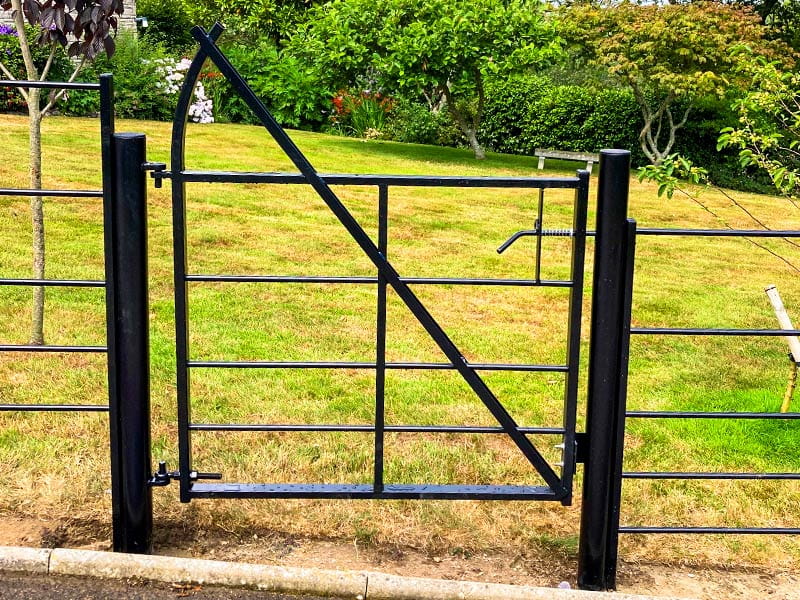
Estate Gates(galvanised/silver):
Contact us for a quote on bespoke fencing and gates, including bespoke sizes, colours, and installation options via our enquiry form.
Best Materials for Estate Railings
When comparing estate fencing materials, prioritise:
Galvanised Tubular Steel (Best Choice)
Powder Coated Galvanised Steel
Traditional Wrought Iron
Cheap Thin Hollow Tube Railings
Estate Fencing for Sloped or Uneven Ground
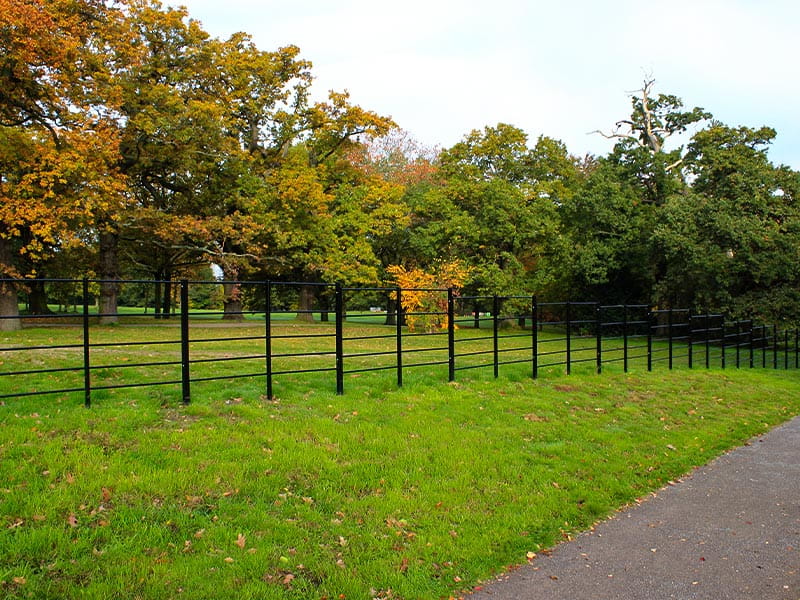
Most landscapes are not perfectly level, so fencing must adapt.
How Jacksons Panels Work on Slopes
When to Use Continuous Fencing Styles
If a project requires fencing that follows the natural lie of the land (continuous flow rather than stepped), panel-based estate fencing may not be suitable.
However, most domestic and agricultural settings work perfectly with stepped installation, which provides a stronger, more secure structure.
FAQ | Frequently Asked Questions
Can estate fencing panels be raked?
Not typically. Estate fencing panels are not designed to be raked; instead, they should be stepped to accommodate sloped ground. This approach not only preserves the structural integrity of the panels but also ensures a straight, stable fence line, resulting in a robust, visually appealing boundary.
Do estate fence panels follow the contours of the ground?
Yes. Estate fence panels can be installed to follow the contours of the ground by using a stepped installation method. This approach allows the panels to adapt to uneven terrain while maintaining a visually consistent appearance throughout the fence line.
What finish lasts the longest?
A hot dip galvanised, and then architectural grade powder coated finish provides the best long term protection against rust and corrosion.
Can I install estate fencing myself?
Jacksons prefabricated, bolt together panels make installation suitable for competent DIYers or general contractors.
What are the best materials for estate railings?
Hot dip galvanised tubular steel or galvanised and powder coated steel offer the longest lifespan, best durability, and lowest maintenance over time. The fixings to bolt the panels together are also important, a discreet stainless steel bolt is best.