


02/02/2026 02:00 PM
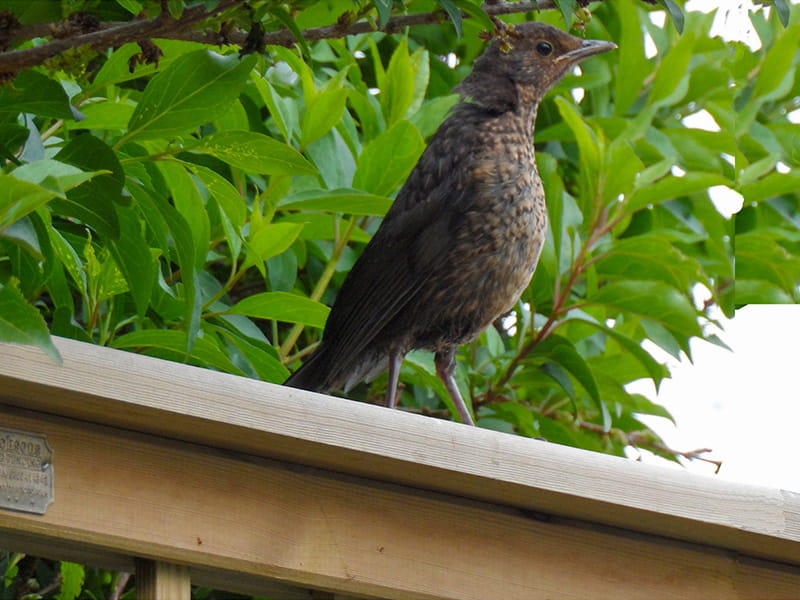
As the days begin to brighten and signs of spring appear, many homeowners start planning garden improvements, from replacing tired fencing to tackling overgrown hedges. Before starting any major work though, it is important to understand nesting season, which typically runs from March to August. During this period, birds are building nests and raising young, and the law protects both the birds and their nesting sites. This means certain tasks involving hedges, shrubs, and trees must be carefully timed to avoid disturbing active nests and ensure your garden work stays within legal guidelines.
Why Nesting Season Matters in Your Garden
Birds do not simply prefer to nest in hedges and thick shrubs. For many species these areas are essential habitats. Dense foliage provides a safe hideaway from predators and shelter from the weather. Because of their importance, these nesting sites are protected by law. Under the Wildlife and Countryside Act 1981 it is an offence to intentionally or recklessly damage, destroy or disturb an active nest or its contents. This includes eggs and chicks. Breaching this legislation can lead to heavy fines or prosecution.
That means any work that might affect vegetation should be treated with caution from early March through to late summer. Hedge trimming, tree cutting, and clearance of overgrown areas can easily disrupt a hidden nest. Even if a nest appears empty, it may still be in use. Birds can be discreet and may only visit occasionally while they build or lay. It is safest to treat any nest found in hedging or shrubbery near a boundary as active until the end of the season.
This is where timing becomes everything. Garden improvements that involve vegetation should ideally be completed before March or held back until the autumn and winter months. September to February is generally the safest period for major work on trees, hedges, and borders.
Fencing: A Boundary That Works All Year Round
Many homeowners still rely on hedges to form boundary lines. Although natural and attractive, hedges can be difficult to maintain and can be seen as inconvenient during nesting season. Once March arrives, your hedge effectively becomes out of bounds for months. If it is starting to look unruly or is beginning to lean across your boundary, there is very little you can legally do until birds have long finished rearing their young.
This is one of the reasons modern fencing has become a more practical and reliable option. A well built fence with a long guarantee requires no ongoing trimming, shaping, or thinning. It gives you a smart, secure boundary without the constant risk of disturbing wildlife. Once installed, your fence simply stands there doing its job year after year.
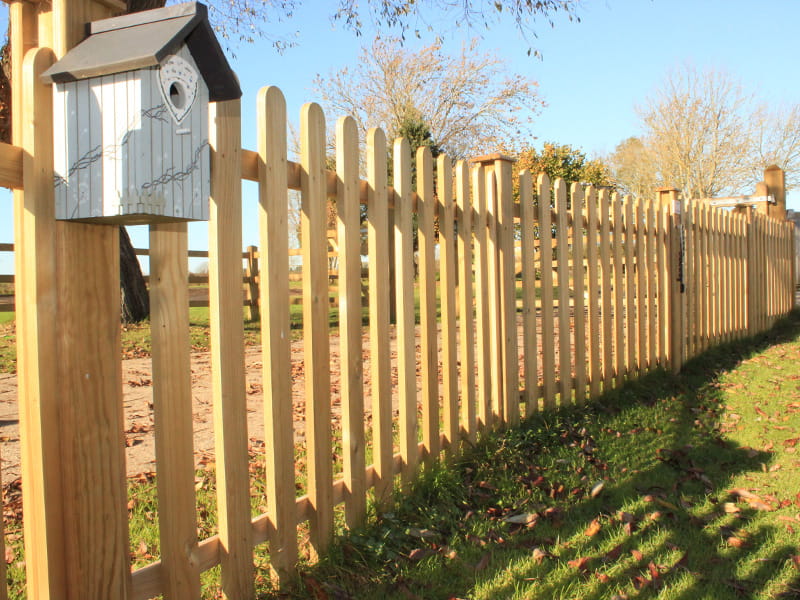
Wooden fencing made from natural materials is also far more wildlife friendly than many people assume. Timber posts and panels provide shelter for insects and small mammals, and birds often make use of fence lines for perching and resting. You can even attach nest boxes to your fence to support local species. If you do, consider using spiky trimmings such as holly or rose cuttings at the base of the box. These help deter predators such as cats, rats and squirrels.
Whether you prefer the classic look of vertical feather edge boards or the privacy of solid panel fencing, a good quality fence removes the complications that hedges bring during nesting season. It also puts you back in control of your boundary without relying on seasonal weather patterns.
How to Work Safely During Nesting Season
If you do need to carry out garden work between March and August, there are some simple steps that help keep birds safe and ensure you stay within the law.
Check for nesting activity
Before starting any job, take a slow and careful look through hedges or shrubs for signs of nesting. Birds flying repeatedly into the same spot or carrying twigs, moss, or feathers indicate that a nest is either being built or is already in use. If you find one, mark the area temporarily so that you and anyone helping you can avoid the area.
Pause hedge trimming completely
Hedges are prime nesting locations for many species, so trimming them is one of the most disruptive tasks you can do. Always postpone cutting until autumn if possible. Even light maintenance cuts can be harmful as nests may be hidden deep within the foliage.
Treat every nest as active unless proven otherwise
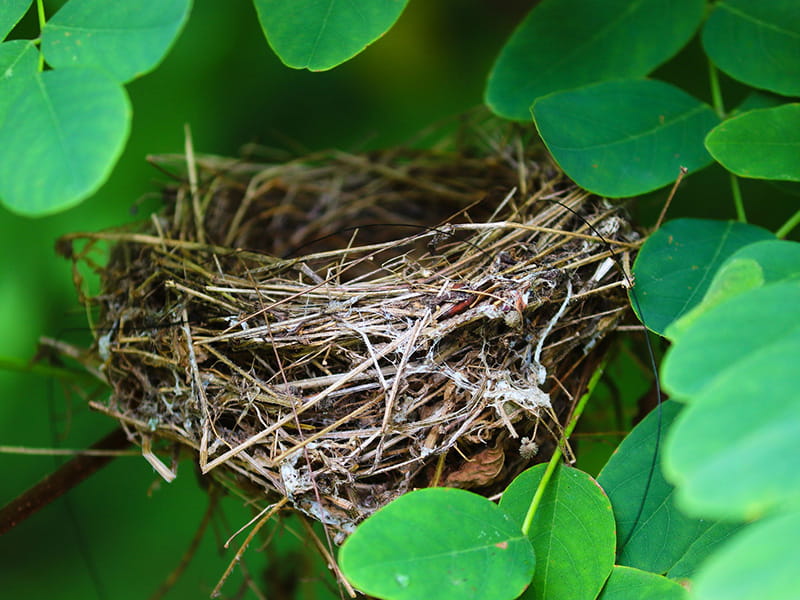
Even if a nest looks abandoned or empty, it may still be visited by the birds. If you suspect a nest is inactive, the safest approach is to wait a few days and watch from a distance to see if any birds return.
Stop immediately if you disturb a nest
If you accidentally uncover or disrupt a nest that contains eggs or chicks, step back straight away and avoid the area. Birds may flee temporarily due to the noise or movement, but they often return if left undisturbed. For more complex situations, seek advice from a qualified tree surgeon or local wildlife expert.
Using Nesting Season to Plan Boundary Improvements
Instead of viewing nesting season as a restriction, many people use it as a useful planning period. While you avoid disruptive tasks around foliage, you can focus on improvements that do not interfere with wildlife. This includes tasks such as weeding, pressure washing patios, or choosing new fencing materials ready for installation in the safer autumn window.
If your hedge is becoming difficult to control or you want a more reliable and low maintenance boundary, this is the perfect time to consider replacing it with fencing later in the year.
Creating a Wildlife Friendly Garden
Choosing fencing does not limit your ability to support wildlife. In fact, a well placed fence can become a practical base for helping birds and other wildlife throughout the year. With a few simple additions and thoughtful planting, you can turn your boundary and garden into a safe and resource rich space for local species. Below are some effective ways to help birds and wildlife in your garden, including some recommendations from the RSPCA.
- Provide nest sites around the garden, fence mounted nest boxes or swift bricks on buildings, to provide safe nesting sites, especially where hedges are trimmed back in winter.
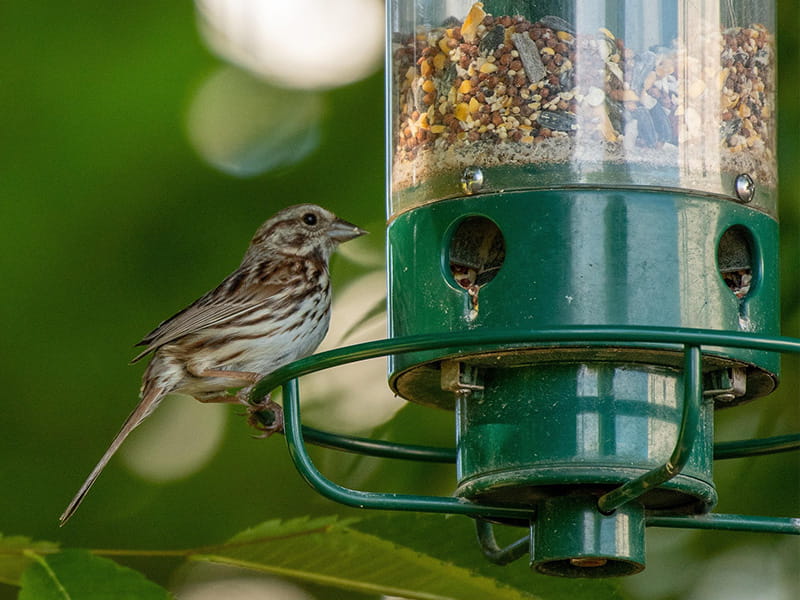
- Fix small feeders or water trays to the fence so birds have a steady supply of food and hydration during busy breeding months.
- Grow climbing plants on trellis sections, such as ivy or honeysuckle, to create natural cover and attract insects for feeding.
- Place thorny cuttings like holly or rose below nest boxes to help deter predators such as cats, rats and squirrels.
- Plant shrubs or small trees near the fence to provide nesting materials such as twigs and leaves.
- Planting berry producing shrubs along the fence line is also beneficial as they provide birds with natural food sources throughout the year.
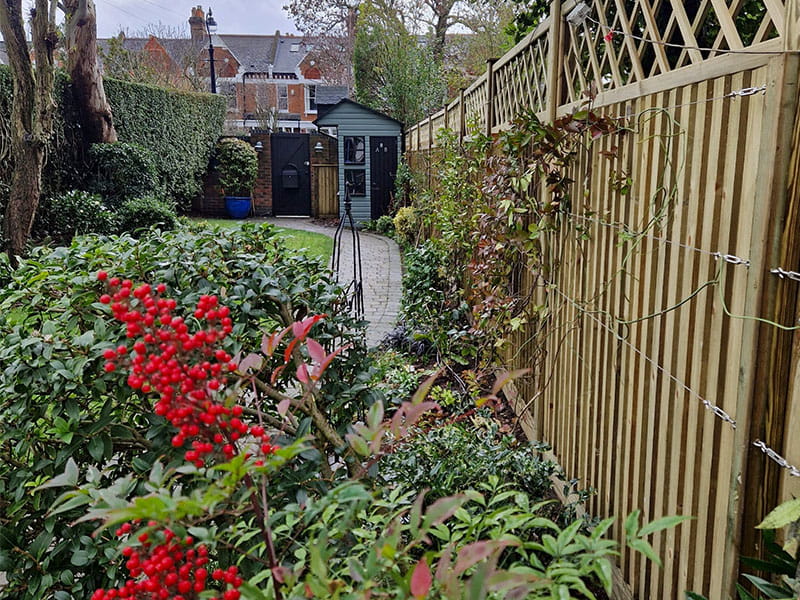
- Avoid cutting hedges, bushes, or trees during spring and summer so you do not disturb active nests.
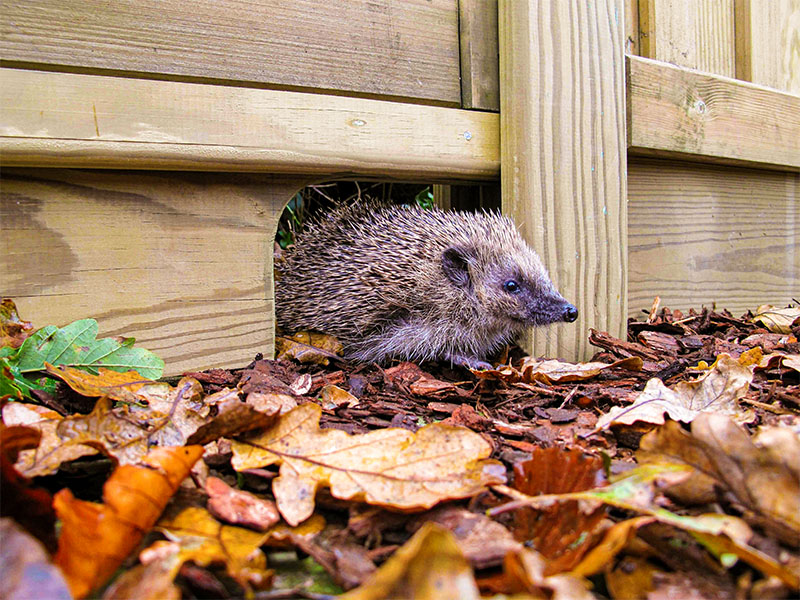
- If replacing a hedge with a fence, install a hedgehog gravel board to allow free movement for small mammals at the base of the fence.
- If possible, keep pets indoors briefly if fledglings are present to give young birds time to strengthen their wings.
- Leave a small area of the garden slightly wild to create natural shelter and foraging opportunities.
- By combining a low maintenance fence with thoughtful wildlife friendly features, you can enjoy a clean and reliable boundary while still giving birds everything they need to thrive.
Related content:
Read more in our guide to making your garden more welcoming for birds. It covers the best plants for food and shelter, how to feed birds safely, the right way to use bird boxes, and why water is essential.
Creating a bird friendly garden
Discover more about wildlife friendly fencing. Read how thoughtful fencing design can support wildlife movement and biodiversity without compromising security.